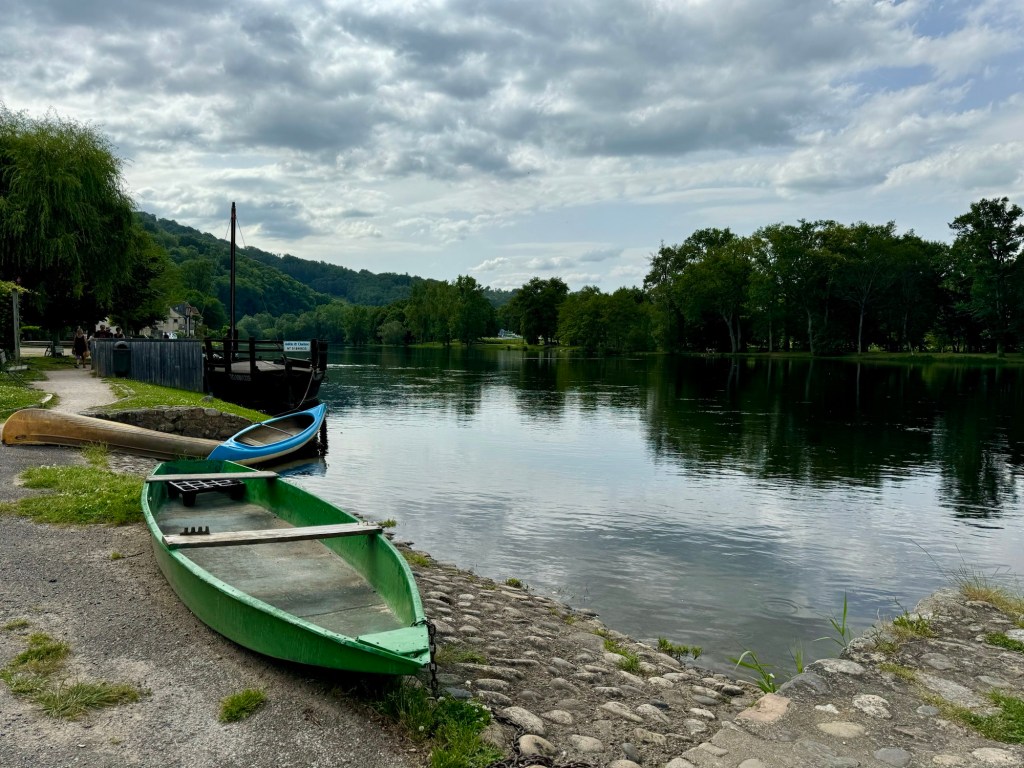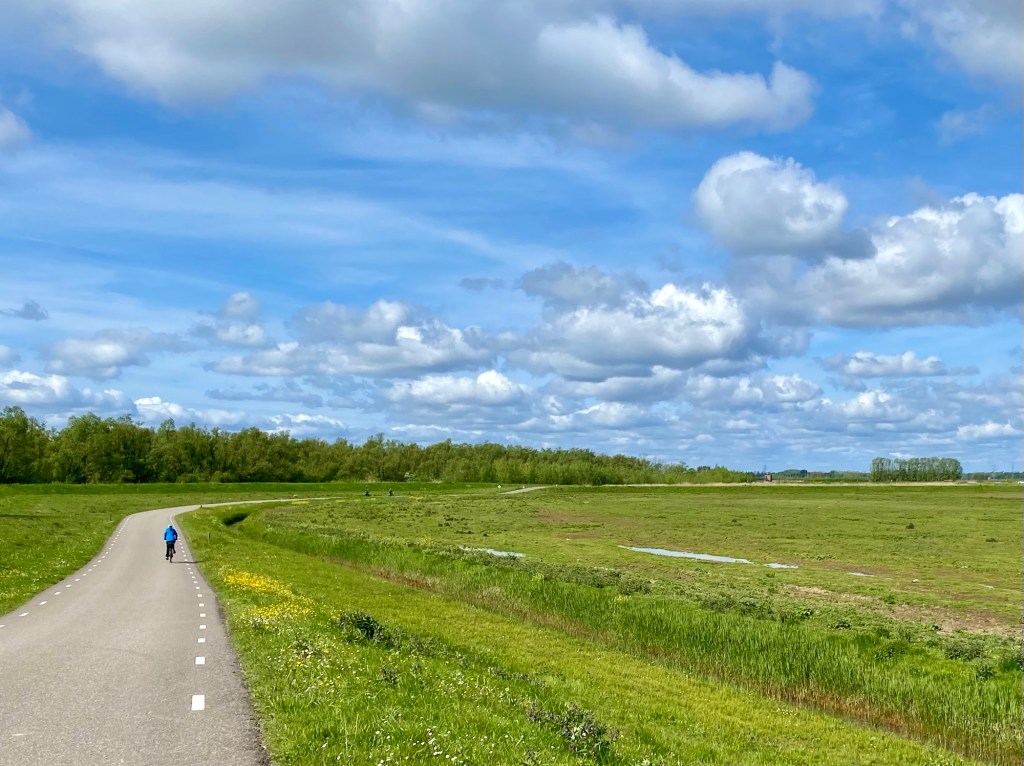
Speleothems

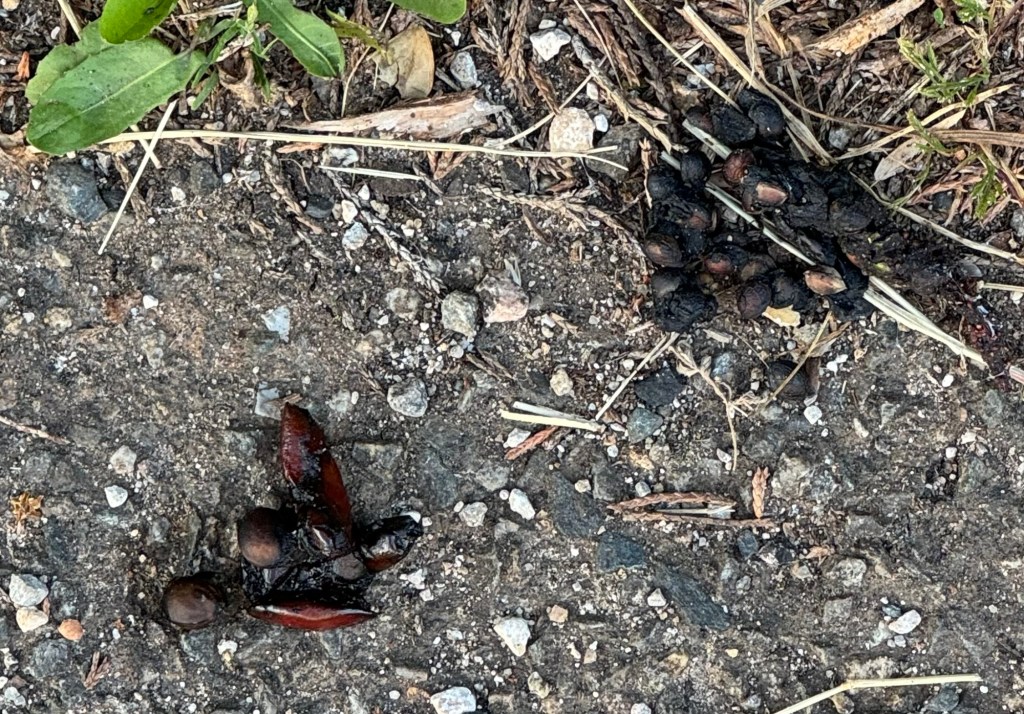
We thought our loyal readers would like today’s challenges. The first being ‘Name that poop’. Sorry, were you expecting something about speleotherms? We have avoided stepping in a lot of this along our routes. Any ideas? We could ask Google but thought someone would be up to the challenge.
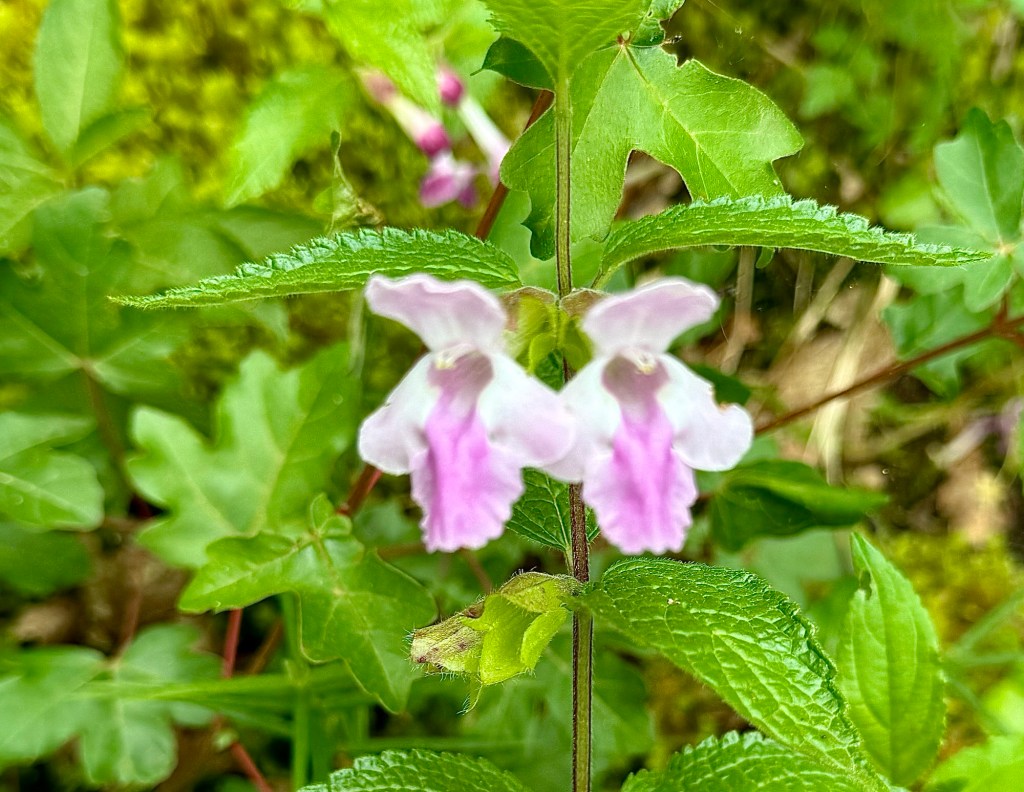
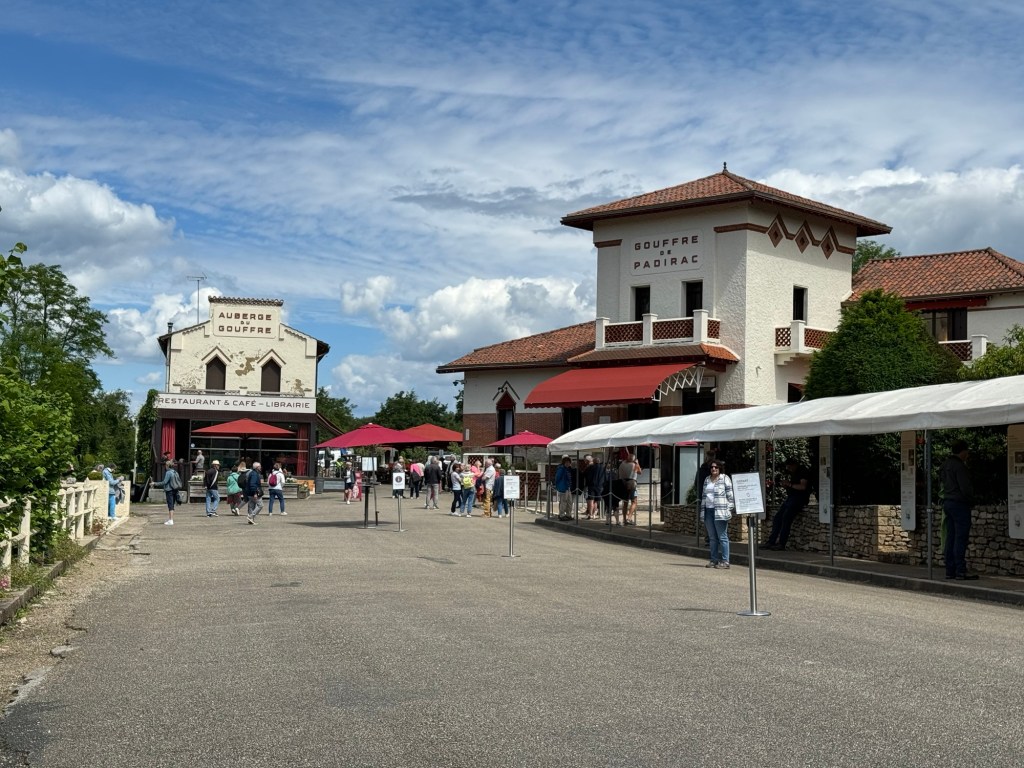
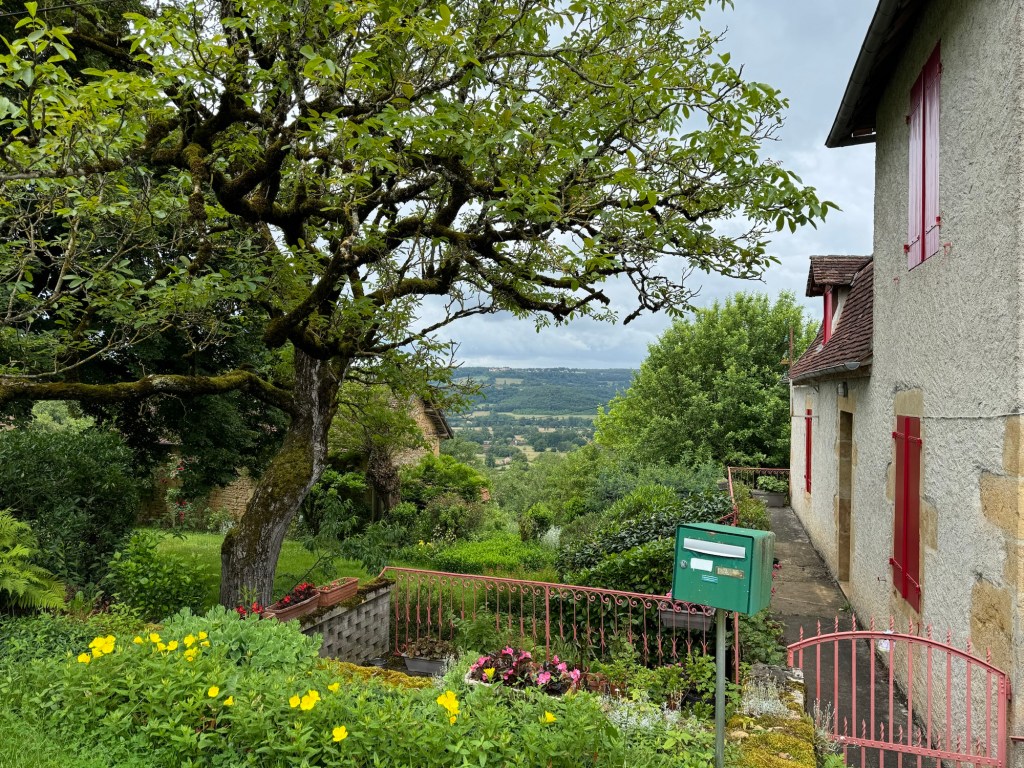
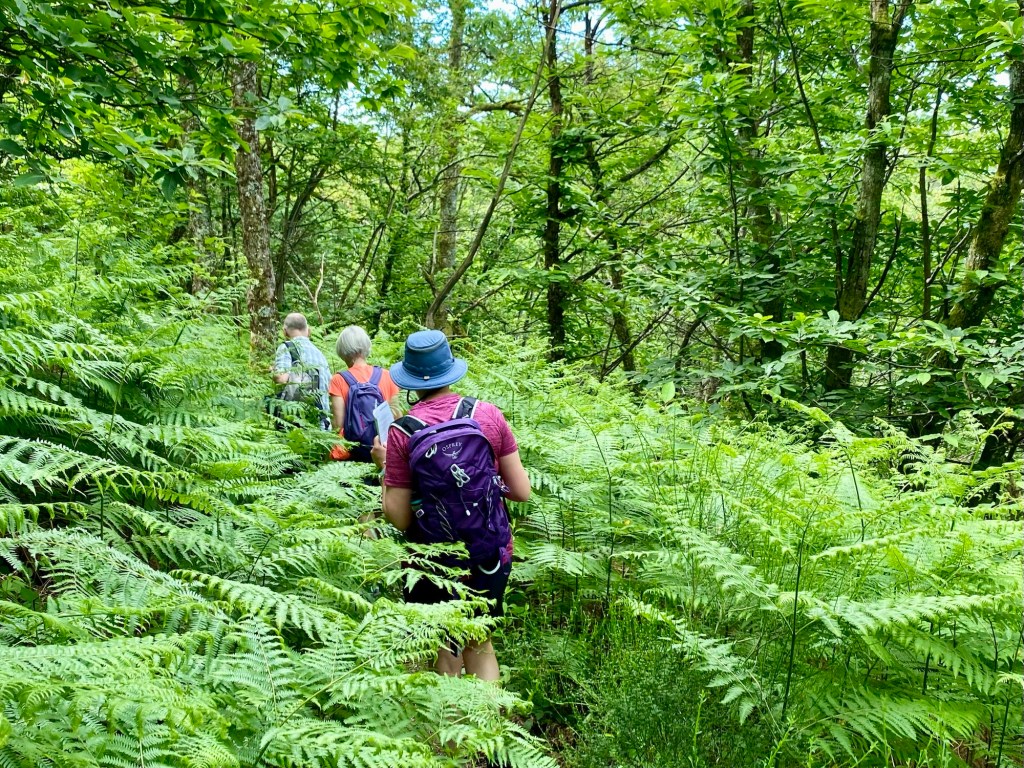
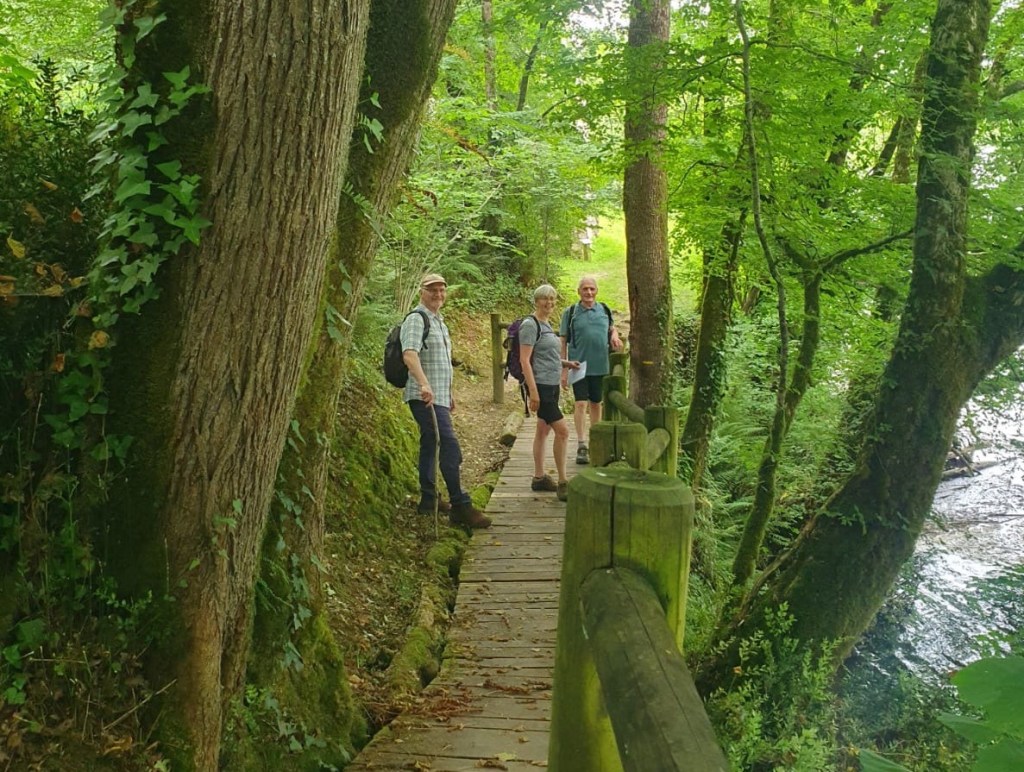
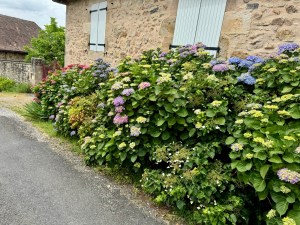
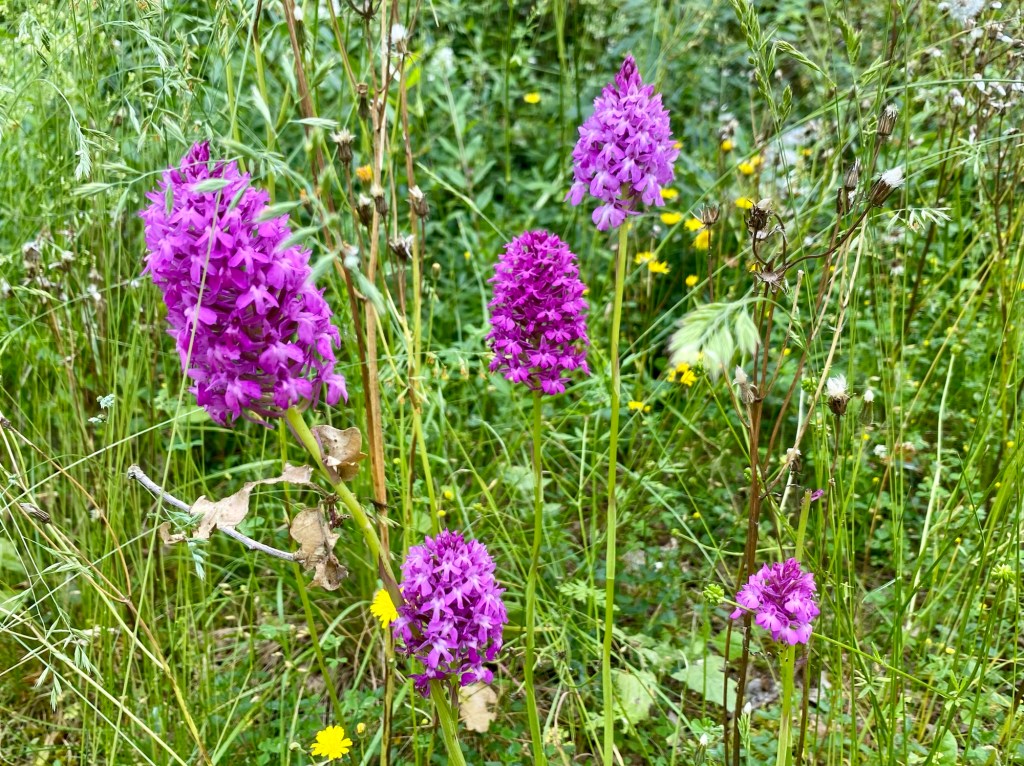
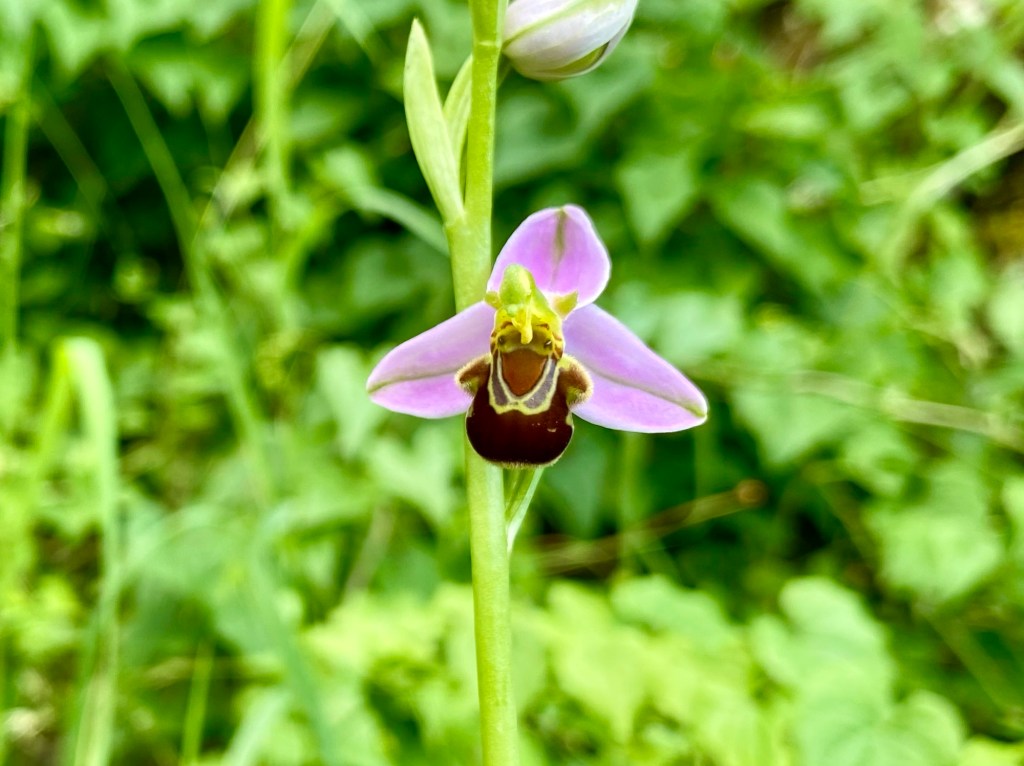
Today’s walk was a 15km circuit from Loubressac via Gauffre du Padirac and the Caves of Presque. The walk gave us the opportunity to attempt various plant identifications, can you name them?
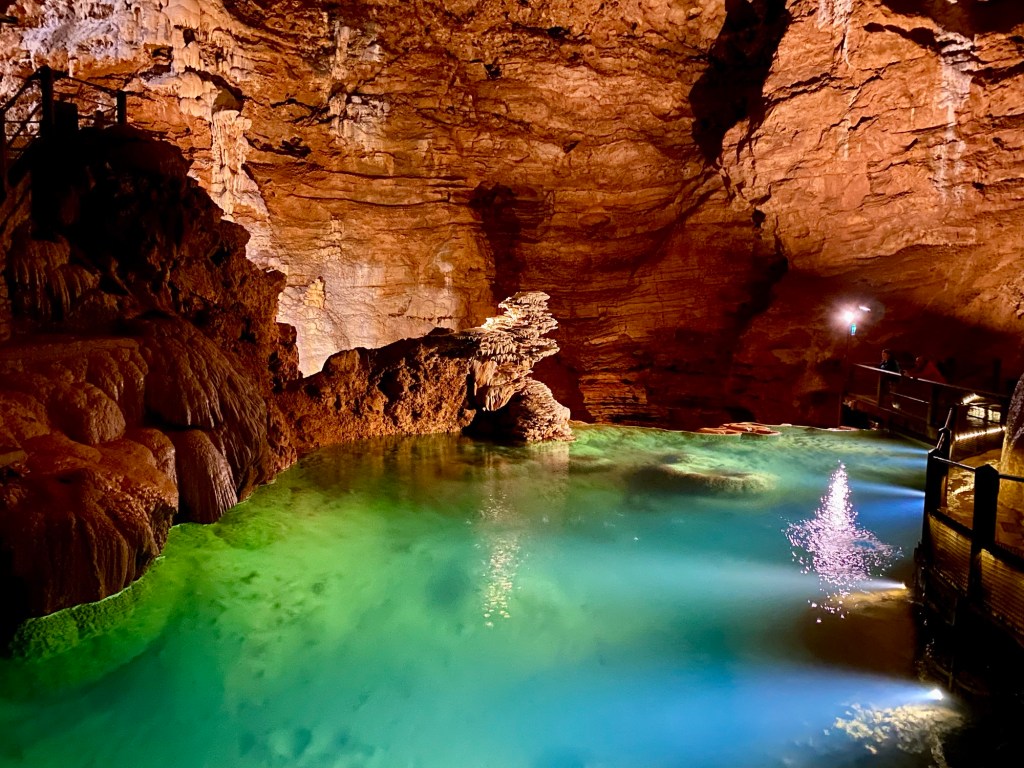
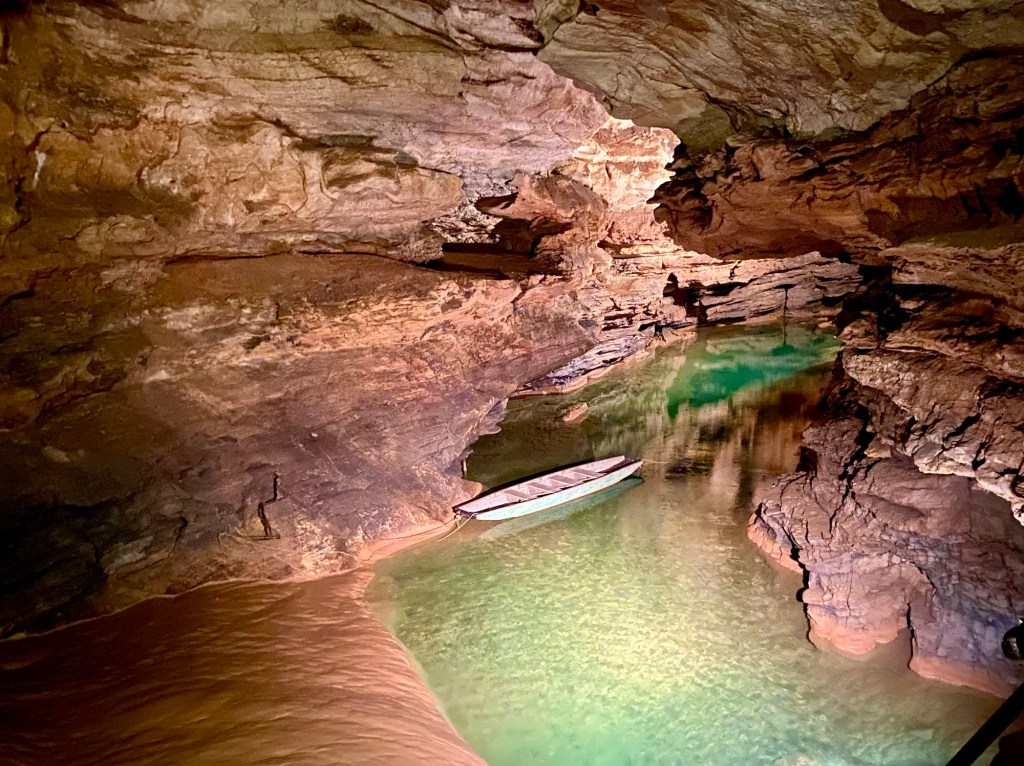
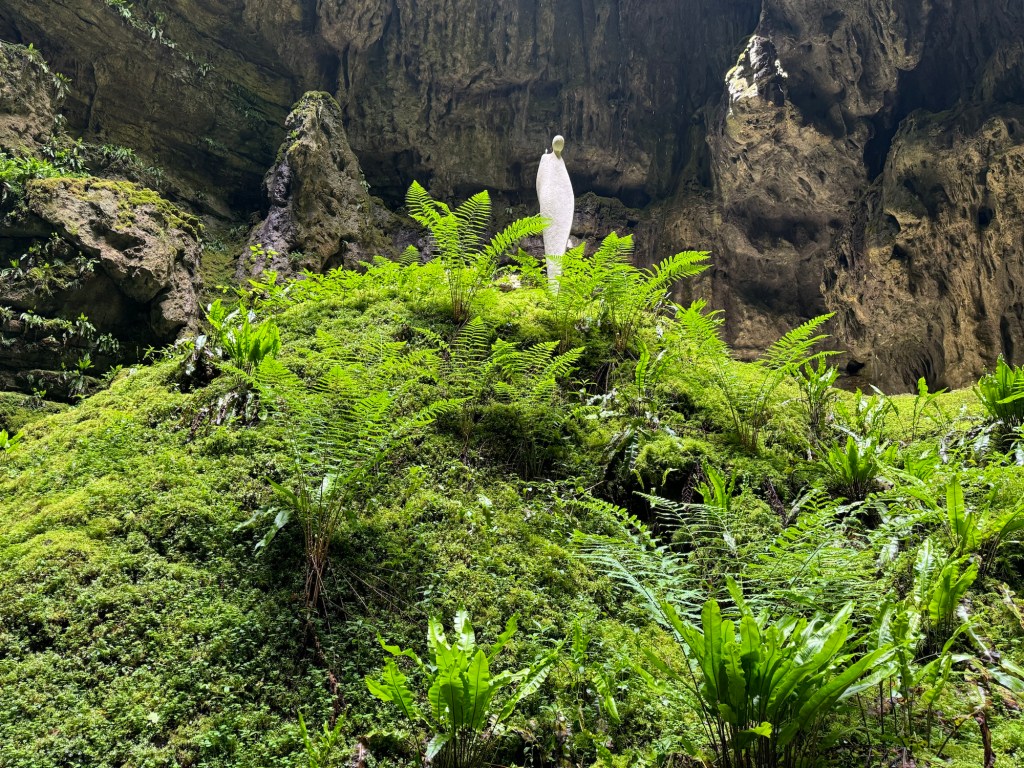
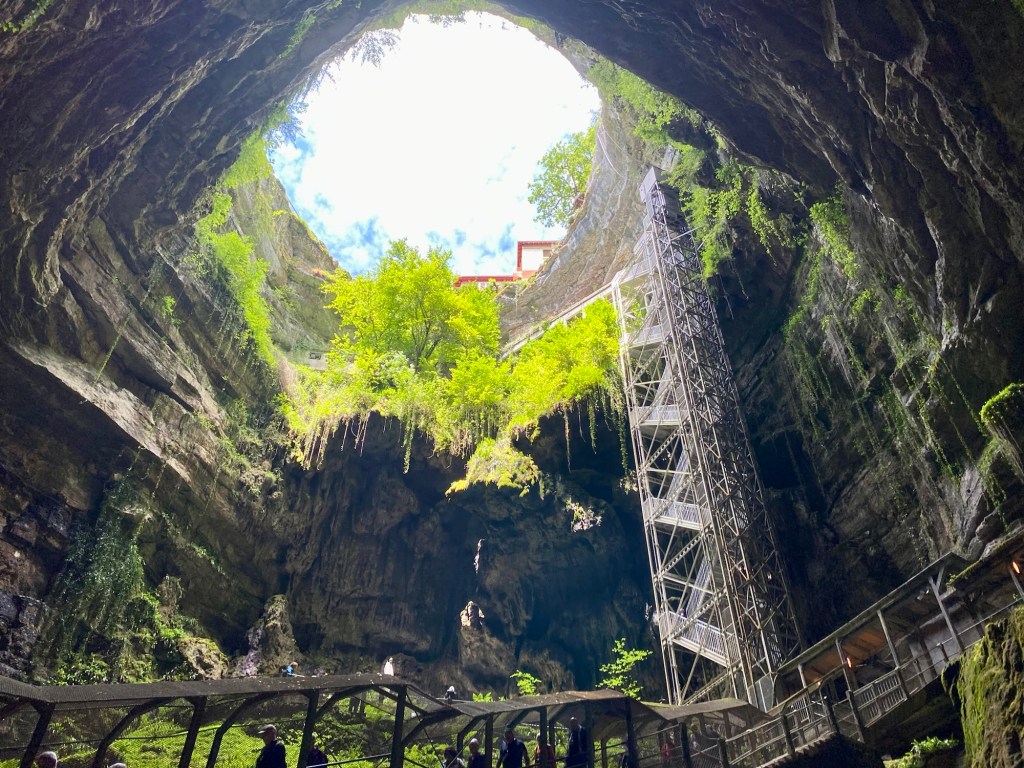
We’ve visited caves in the past and, as a result, no one was that keen to see anymore, especially after three days of hiking up and down endless hills. However, as the most impressive caves are accessible only by boat, Kim had booked tickets before we left home and we reluctantly gave it a go – they were fantastic.

Discovered in 1826 during construction of the D673 road, which links Saint-Cere to Rocamadour, the immense underground caverns are accessed via many steps into various illuminated caves some with roofs nearly a 100m high. Each one displays various stalactites (speleothems!) and other calcite deposits in different shapes and colours. We reached a point where the path ended, boarded a small punt type boat which took us on to even more impressive caves. The river runs, underground, for 20km before joining the Dordogne. Words and photos can’t really describe the spectacle that greeted us.
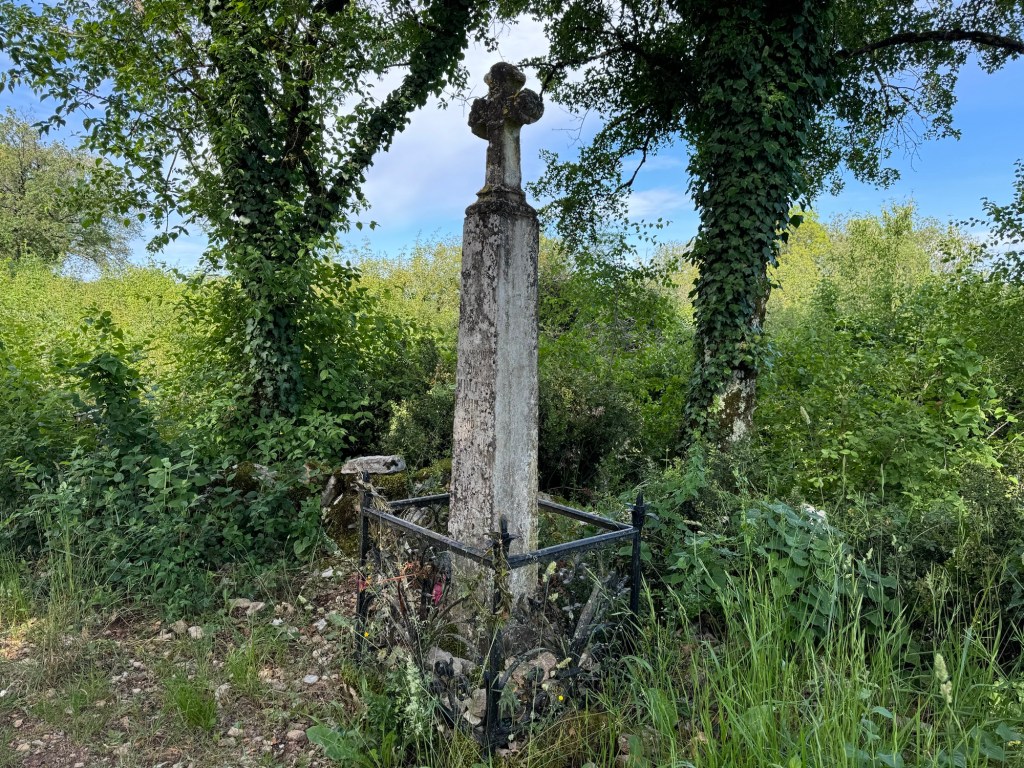
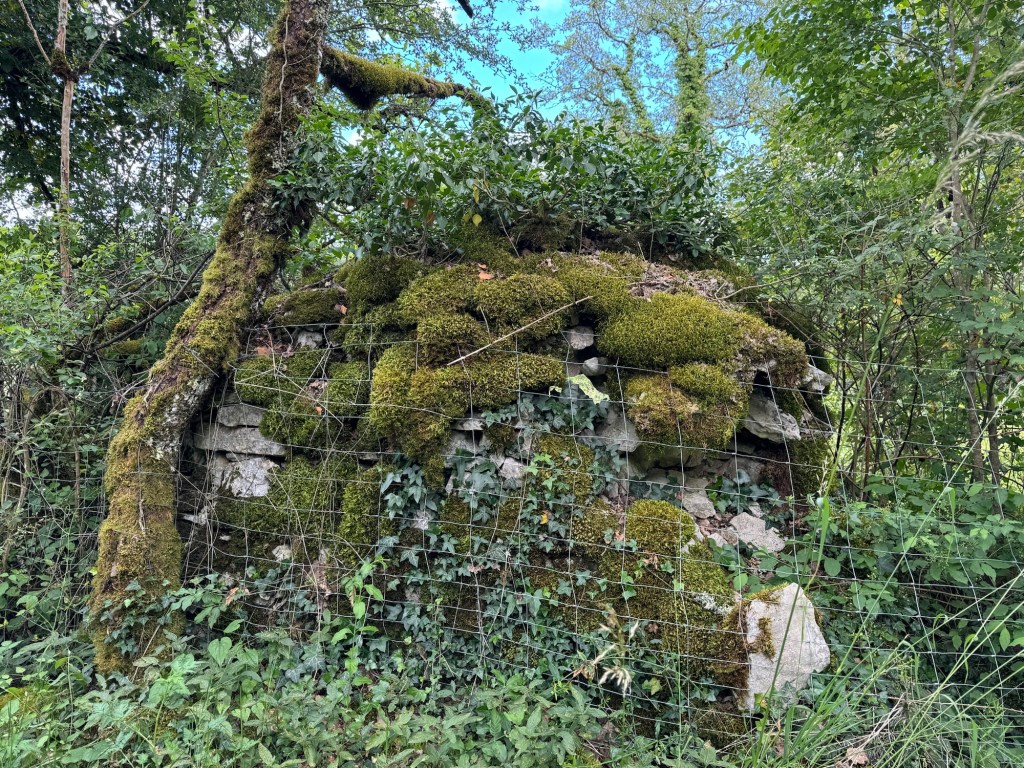
Time was getting on when we resurfaced so we cut our walk short, retracing our route back to Loubressac, catching a glimpse of wild Boar in the oak woodland. We made too much noise for them to hang around for a photo opportunity, wildlife photographers we are not. We did, however, stop to admire the Croix Helene Bombezy. She was killed on the site by a village boy in 1844, we can’t find out why she’s referred to as a martyr. We did discover what a cazelle is. Not a deer like creature, badly spelled, but a stone hut for sheltering sheep or shepherds
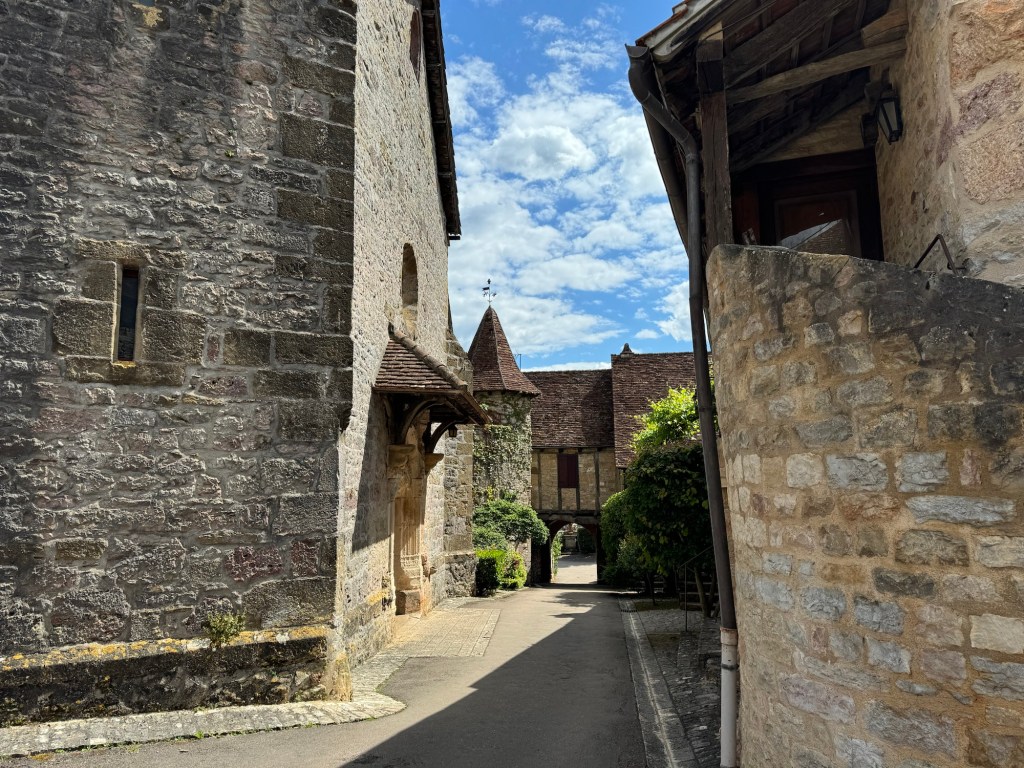
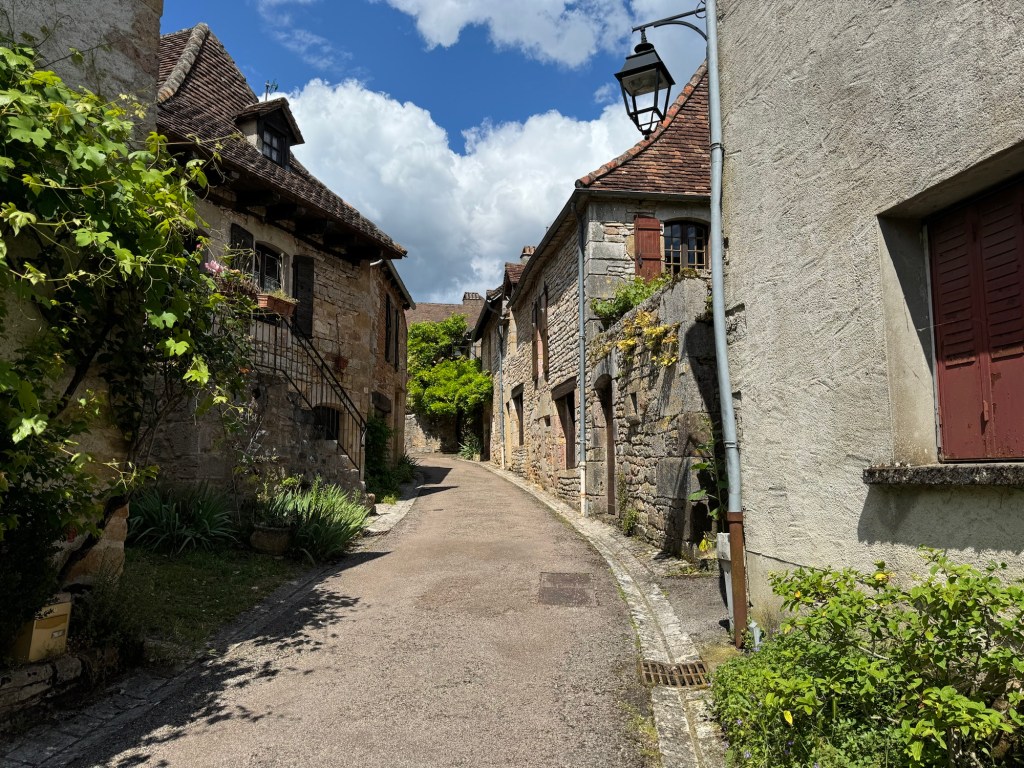
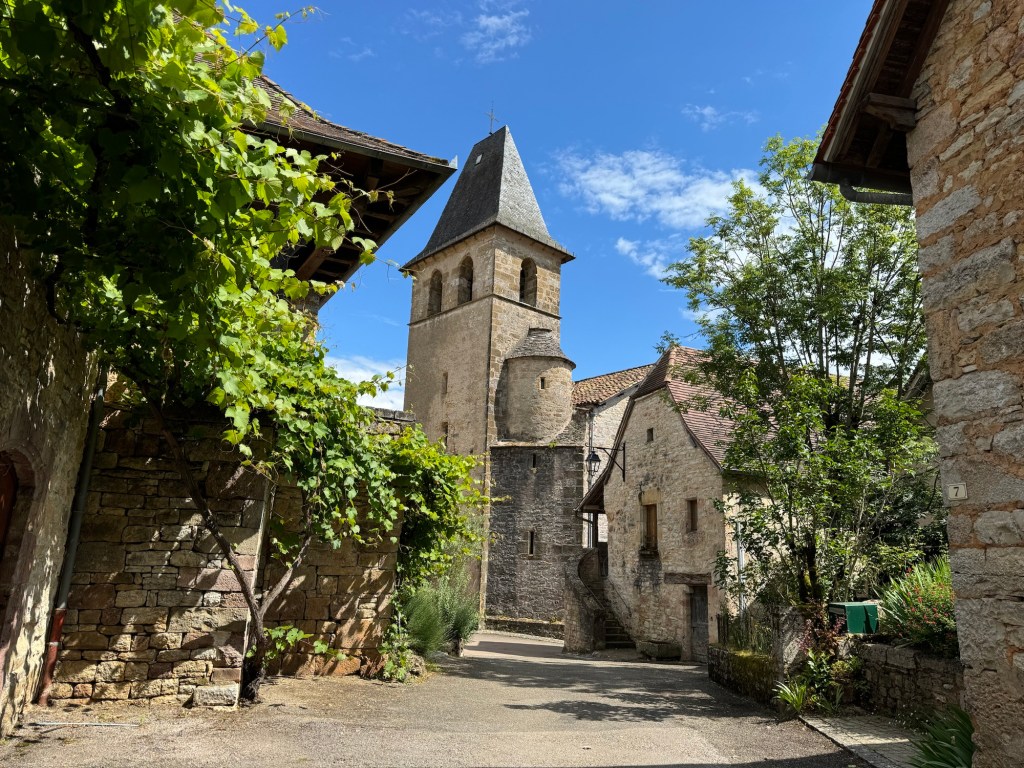
It’s been a leisurely day with easy walking. Our afternoon finished with a wander around Loubressac’s fortified town. A bientot.
Where’s the bridge?

Yesterday, we needed a tunnel to flatten our route. Today, a couple of bridges would have been useful.

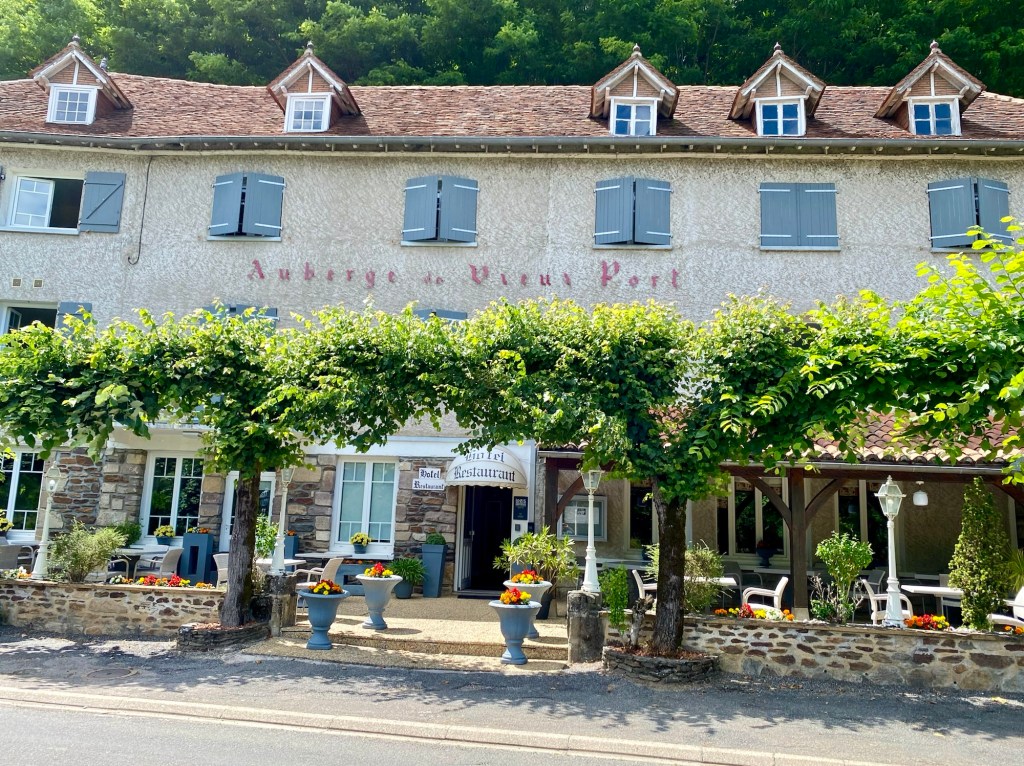
A taxi picked us up from the Auberge du Vieux Port and dropped us off in a small village square after only a couple of miles. We couldn’t understand why a taxi was needed, until it started to climb a steep hill at which point we were very grateful not to have walked up.

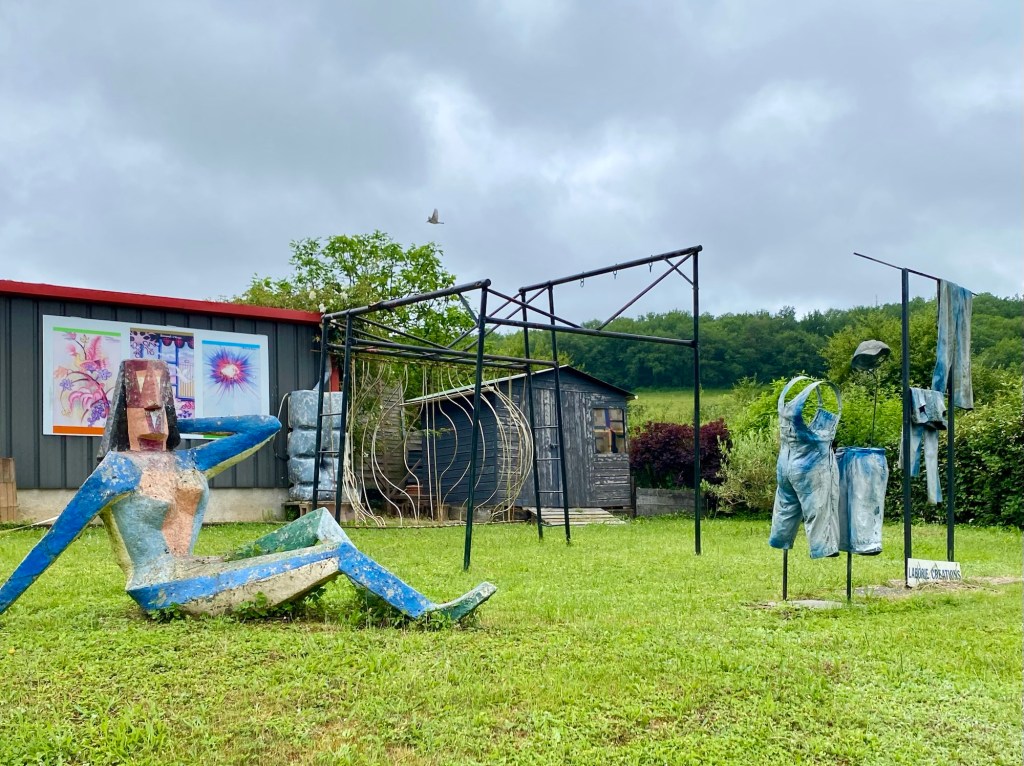
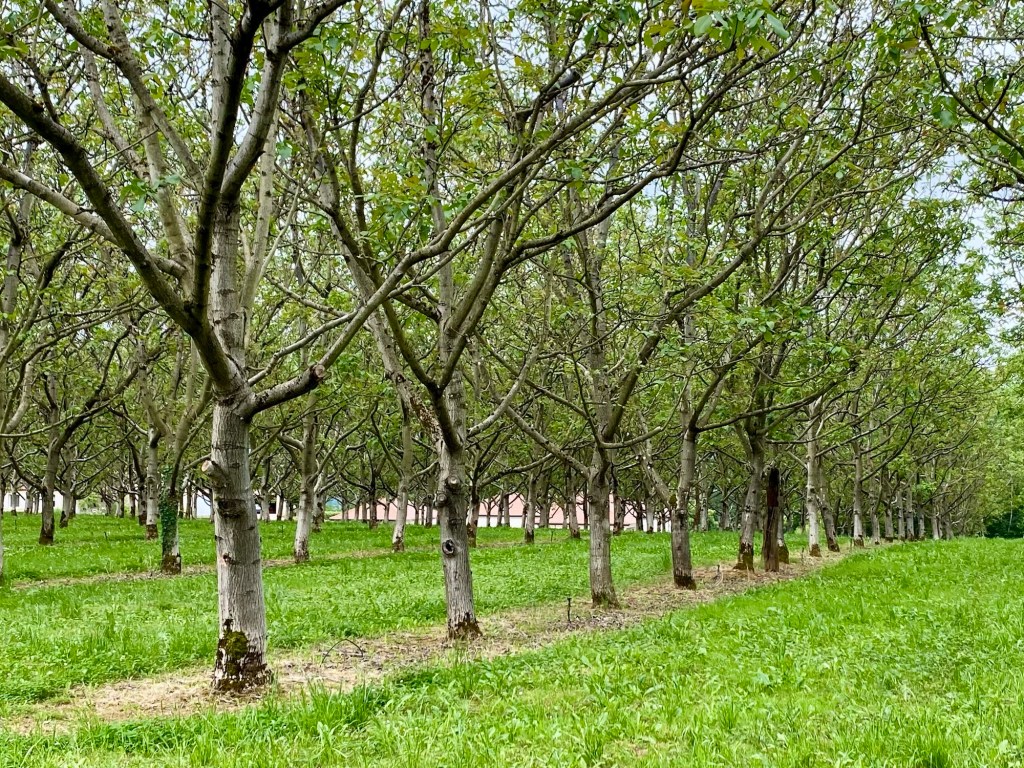
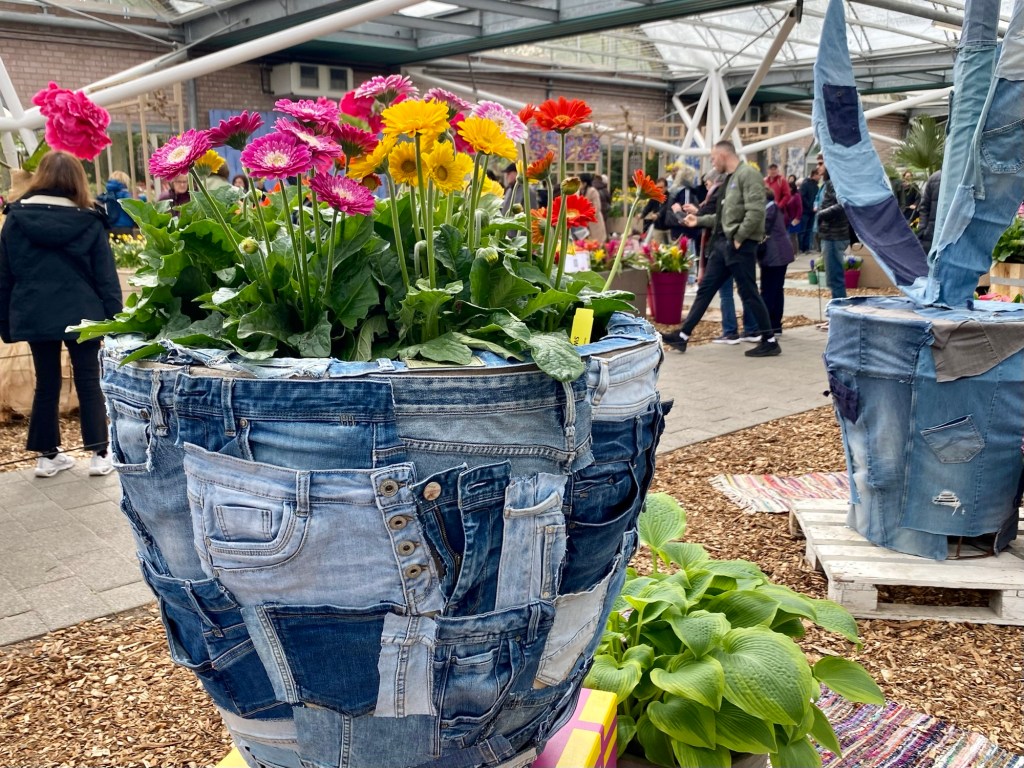
Our route started in the little town of Glanes with a long descent through walnut trees and vineyards. It was surprisingly cool this morning and there was plenty of grumbling about cold knees, except for Ken who was suitably smug in his walking trousers. As the route flattened out, we found a small art gallery with an eclectic mix of ceramics, wood carvings, glass work and repurposed denim made by an artisan who sells his work across Europe.

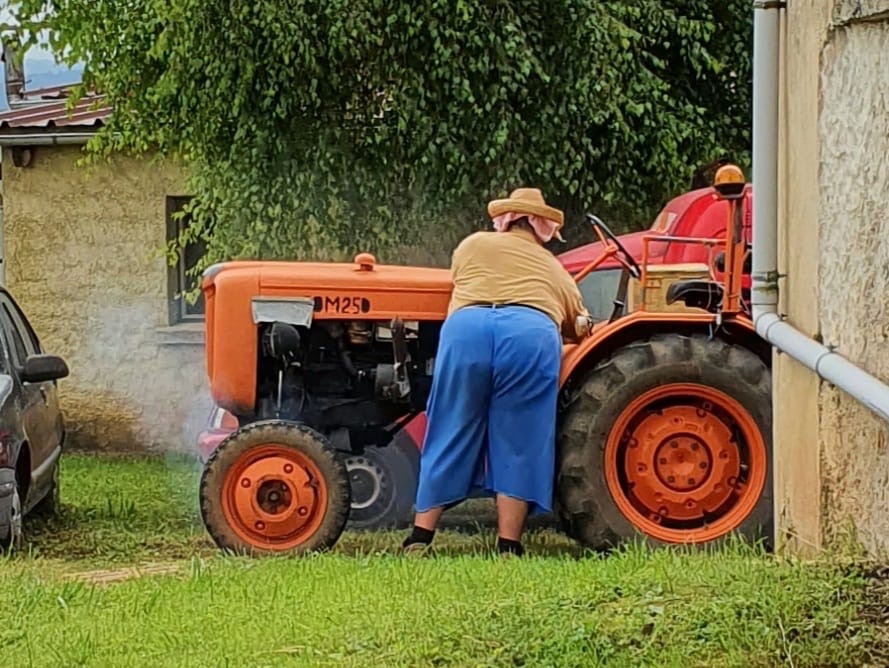
A long and arduous ascent followed, up a wooded, cobbled track towards the Chateau de Castelnau, grateful for the cool, cloudy weather although it spoiled the views somewhat. We were transfixed by the French farmer, coaxing his tractor into life, who kept his head cool with a towel under his sun hat.
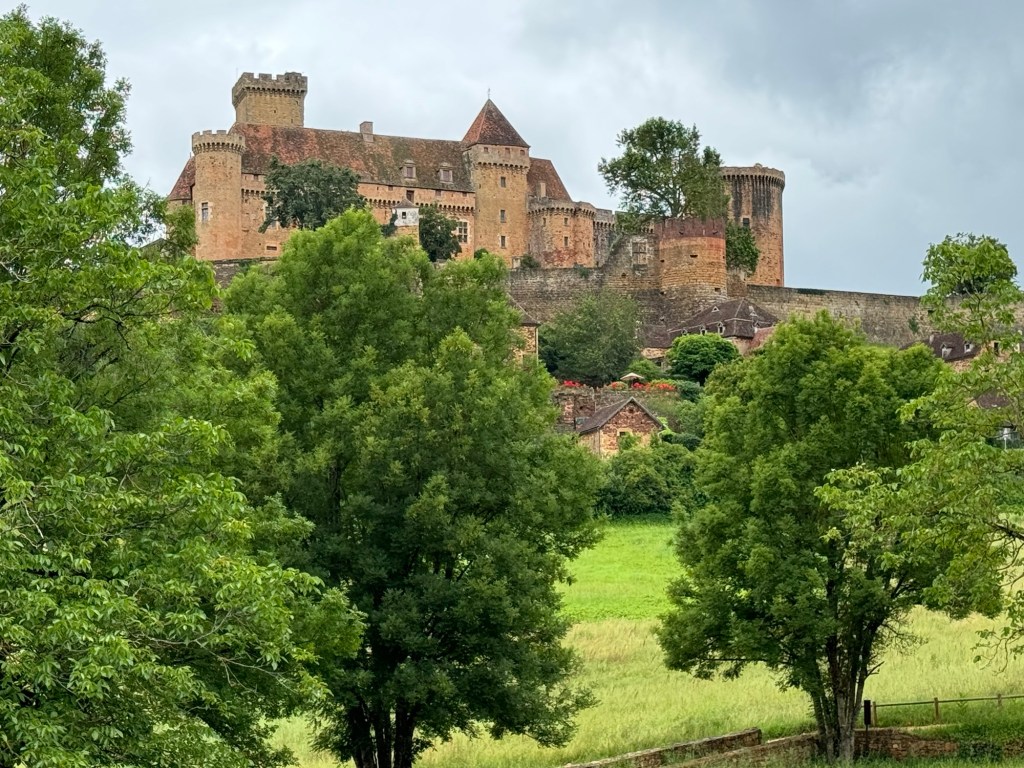
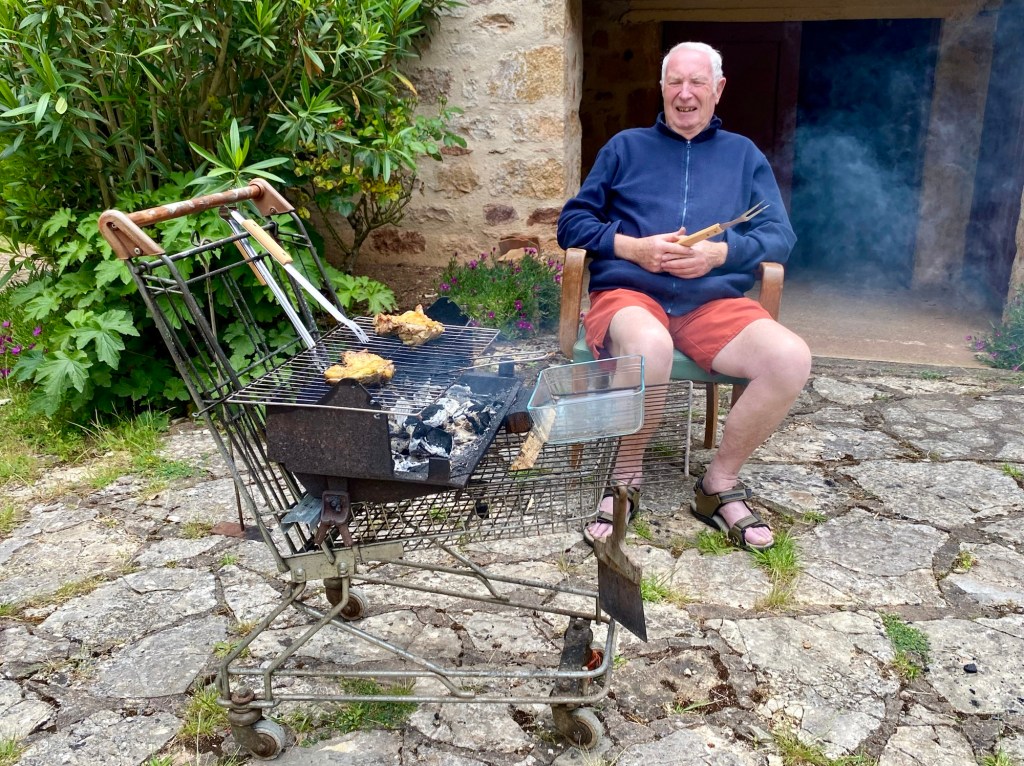
The chateau is impressive, perched on a hill and visible for miles around. It’s a gigantic fortress built to protect the borderland between Limousin and Quercy and remained undefeated by the English during the 100 years war. Sadly we arrived just as it shut for lunch but agreed the village, built from the same rust coloured stone was very pretty. We sat outside the chateau’s walls and munched on our packed lunch as the rain started. Rain has been promised most days and we’ve been lucky to avoid it so far. Waterproofs came out, as did Jacky’s poncho. Stylish it isn’t but it didn’t prevent flickers of envy. Most envy was directed at the local who had repurposed a shopping trolley as a barbecue, the smell from his marinated chicken was mouthwatering.

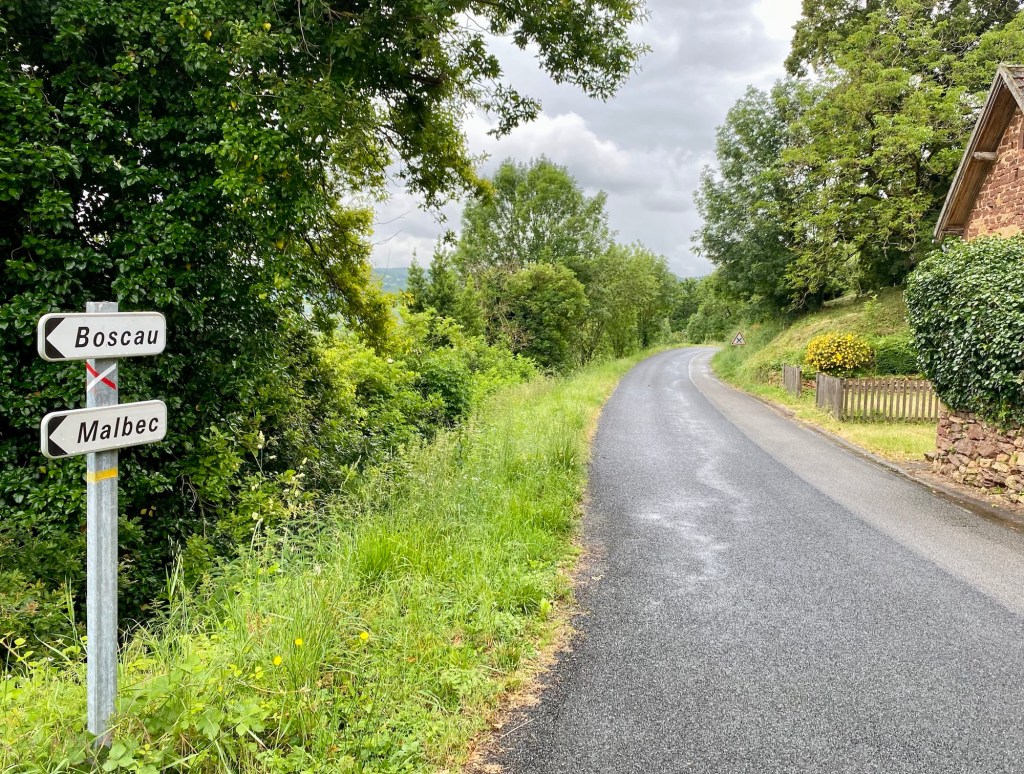
Another descent to the hamlet of Malbec. We had high hopes of vineyards and wine tasting, even a cafe but it only consisted of five houses and we were out the other side before we knew it.
There was some lovely flat walking through the hamlet of Vailles, past a fromagerie. There was no cafe but we did sit on an attractive concrete, car park wall to finish snacks and fortify ourselves for the long climb ahead up to Loubressac,
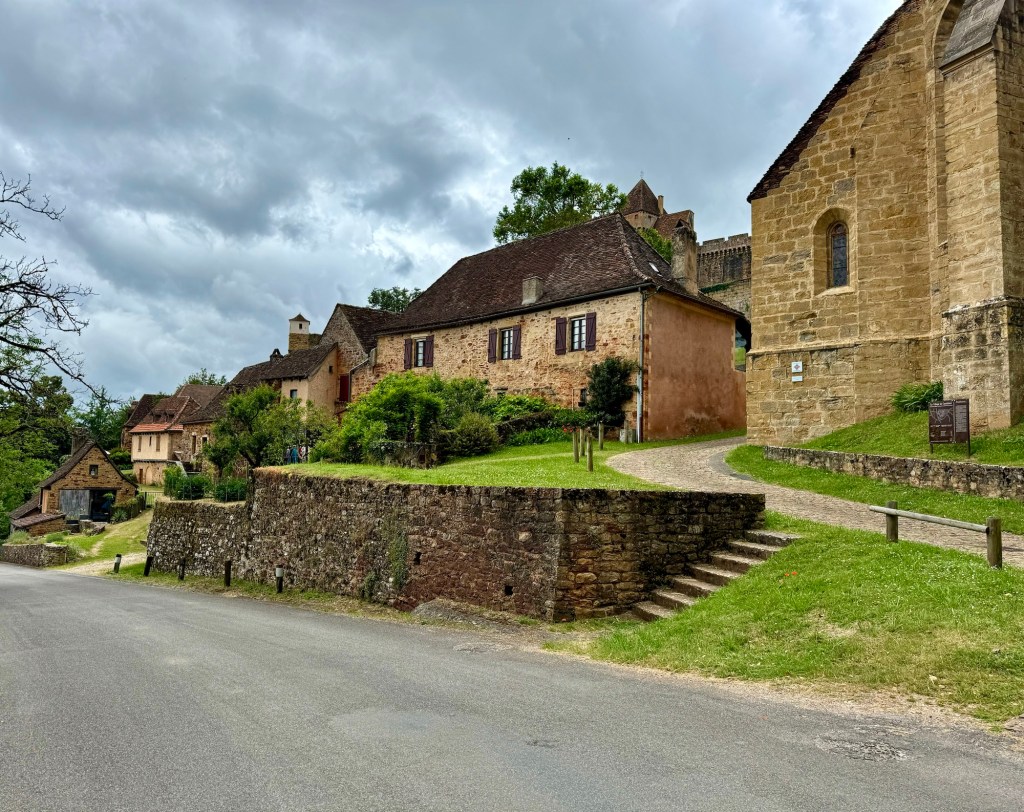
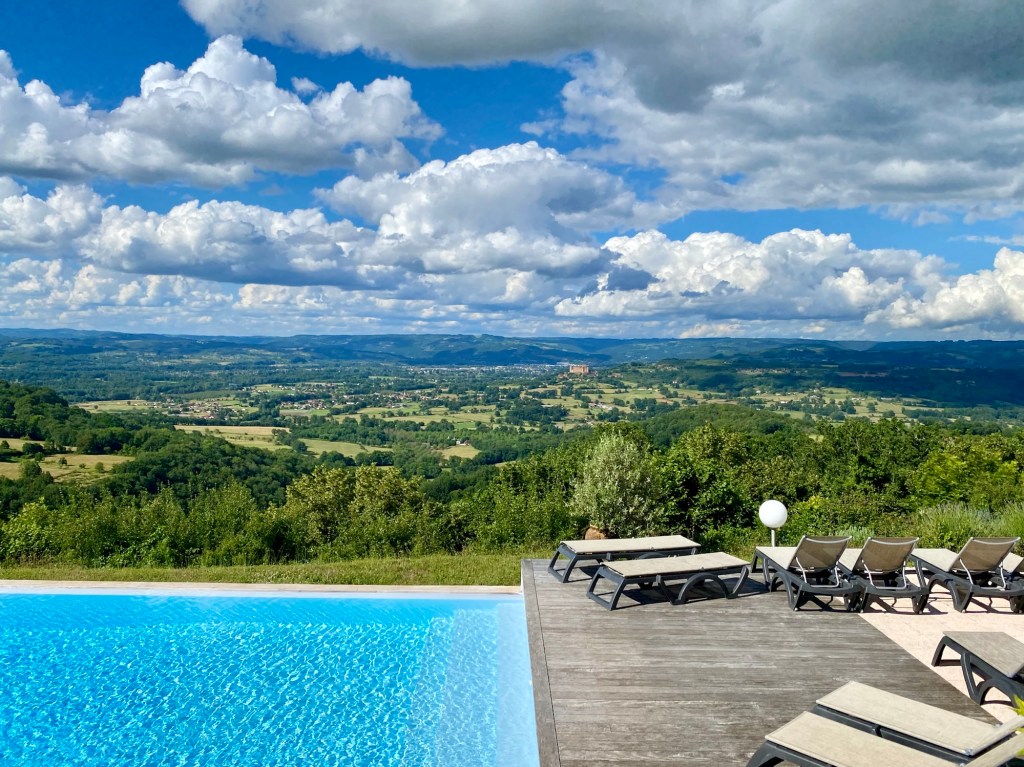
Loubressac is a tiny fortified village in an amazing position, overlooking the valley towards Chateau de Castelnau and our home for the next two nights

It’s An Upside Down World

We appear to be sharing our holiday with other walkers. The first are seasoned Inntravellers with 30 years experience, the second are the retired couple from Illinois mentioned yesterday. Although we aren’t walking together as a group, our paths cross occasionally and it feels odd to be sharing ‘our’ routes and hotels with others, despite how friendly they are.

Today we walked from Beaulieu sur Dordogne to Le Port de Gagnac on the river Cere. 12 kms with an ascent of 370m and descent of 360m. Not sure why we’re sharing this with you but, if the French really cared about tourism, they would have built a nice flat tunnel for us to walk through.

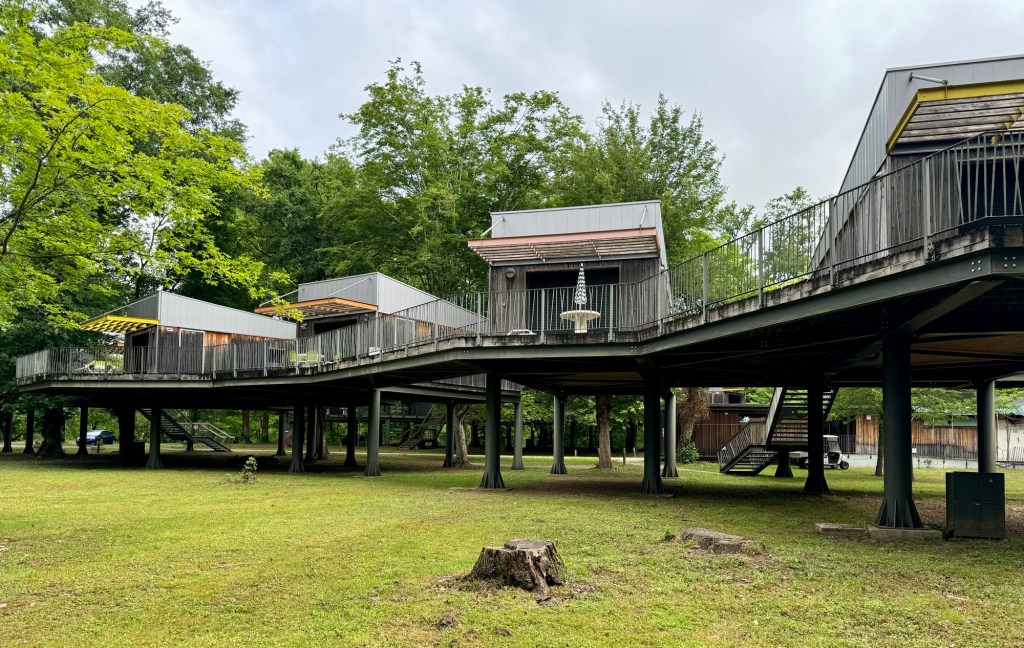
Our route started by crossing the Dordogne, through a park with some interesting holiday cabins on stilts. Quite a reminder of the flooding risk. Sadly, there was no photo of the lovely looking motorhome site on the opposite bank.

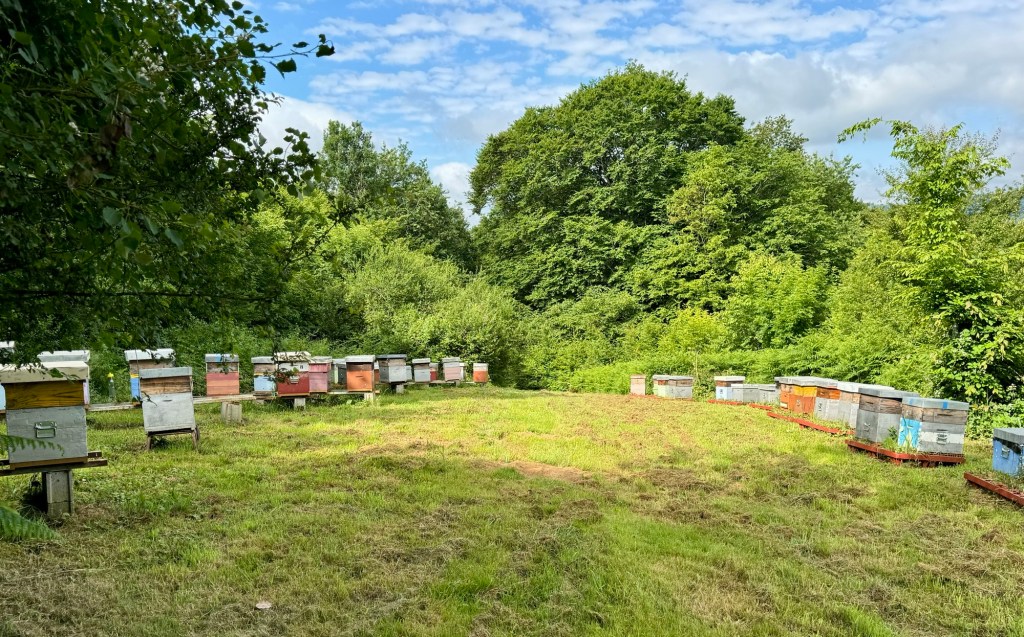
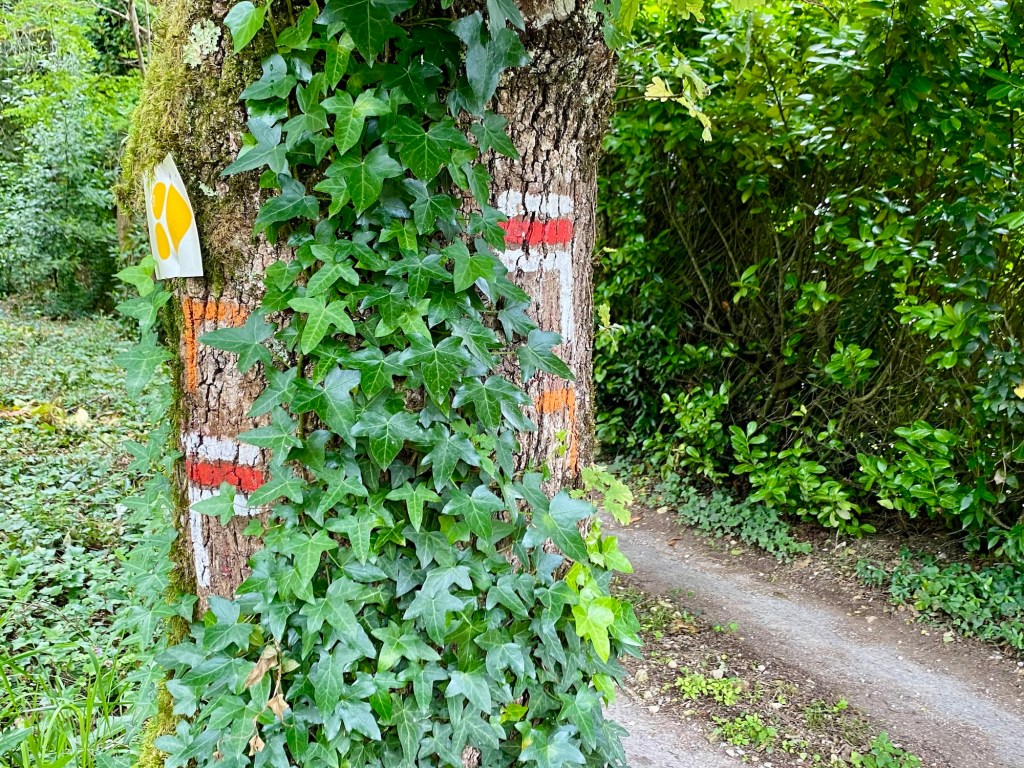
The toughest climbing was during the first half of the route, past walnut groves, beehives and through woodland. To guide us, we have waymarks, written instructions, GPX files and a map. Despite all this, there were regular debates about the correct route. At the top of the ridge we were treated to some stunning views back across the valley before winding our way back to Le Port de Gagnac through the pretty hamlets of Fontmerle and La Poujade.

Tonight we stay in Auberge Vieux Ports, overlooking the River Cere. It’s a lovely location and we move on tomorrow with a longer, hillier walk.

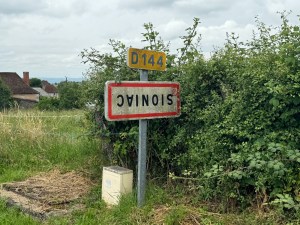
Finally, the upside down town signs? It turns out they are a protest by French farmers to raise the visibility of their challenges in trying to compete with foreign imports while at the same time trying to meet the plethora of conflicting agricultural regulations – ‘nous marchons sur la tete’ which make us walk on our heads.

Trousers or shorts?

We had a choice of hilly walks, longer and flatter or shorter and hillier. The decision was made, we would go long and then we met fellow Inntravellers at breakfast.

The couple from Illinois had completed both walks and thought the shorter was more interesting with less mosquitoes. Not having thought about mozzies, we made a mad dash to the local pharmacy to protect ourselves from the evil little critters. It gave us time to change our minds – the shorter walk for us!

It was well after 10 when we left and all the faffing had made us thirsty. We walked all of 500m before justifying stopping for a cuppa. Today’s walk was very rural and there would no more opportunities until we returned.

Finally, some time after 11, we set off and immediately started the ascent. It was hard work. We were expecting rain, instead it was warm and humid. Not ideal but better than walking in the wet, particularly as Kim had left her waterproof in the hotel.

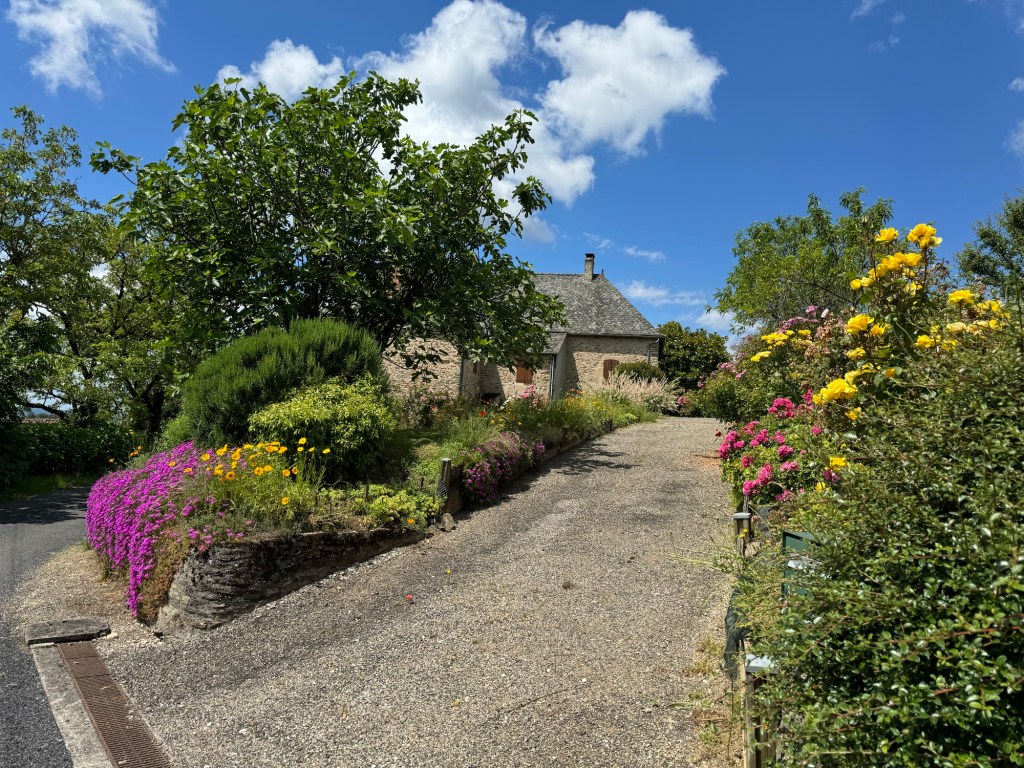
Finally at the top of our climb, we walked along a ridge with views across both sides. A local lady who was tending her garden came to our assistance while we debated the route. Originally from England, she had lived in the area for 20 years and now managed her hillside home alone, separating from her husband shortly after arriving in the area. She has chosen to stay and loved the purity of the air and peaceful location.

We have seen many upside down town signs and she was able to enlighten us to the reason. Can you guess?

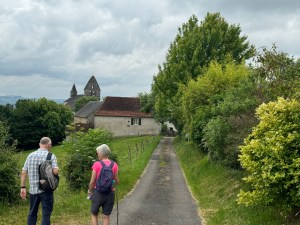
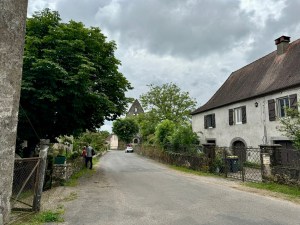
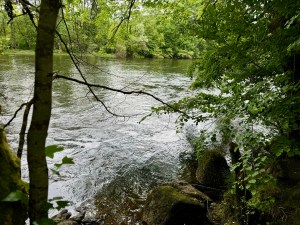
Our descent started through the hamlet of Sioniac before reaching the bank of the Dordogne river

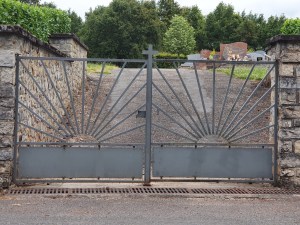
One more photo opportunity presented when we sat opposite a small cemetery for lunch on the only two benches we had seen en route.

Four hours after leaving, we were back in Beaulieu. It’s been a leisurely start to our walking holiday. Tomorrow’s route looks tougher in both terrain and duration.

Souviens toi

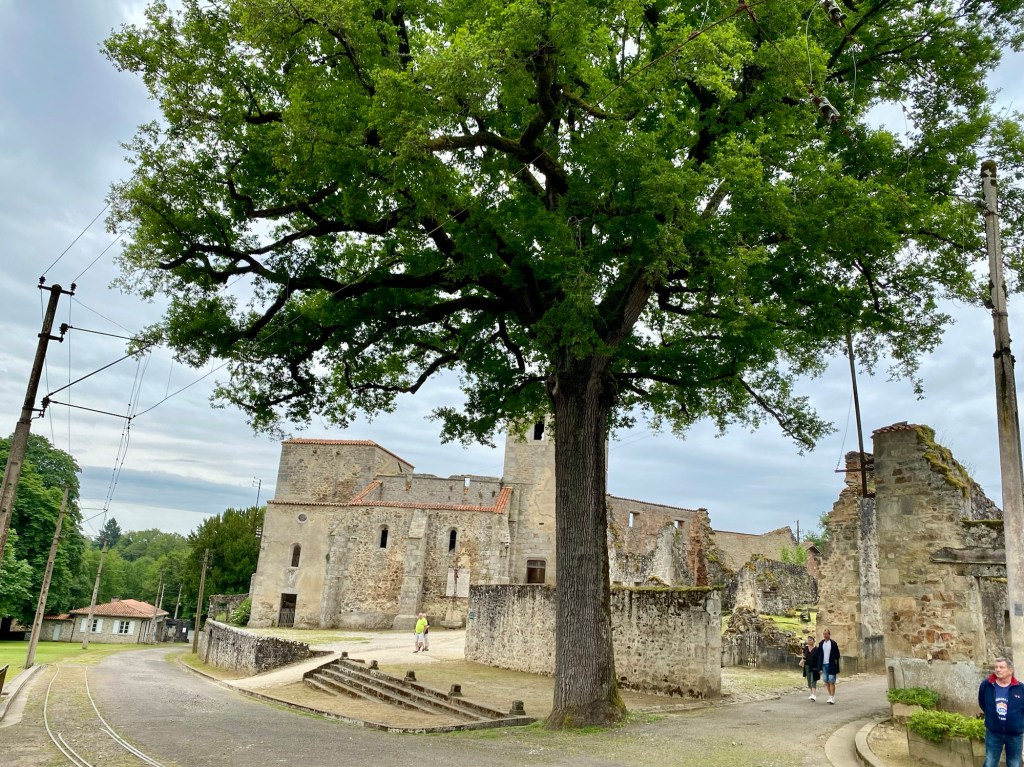
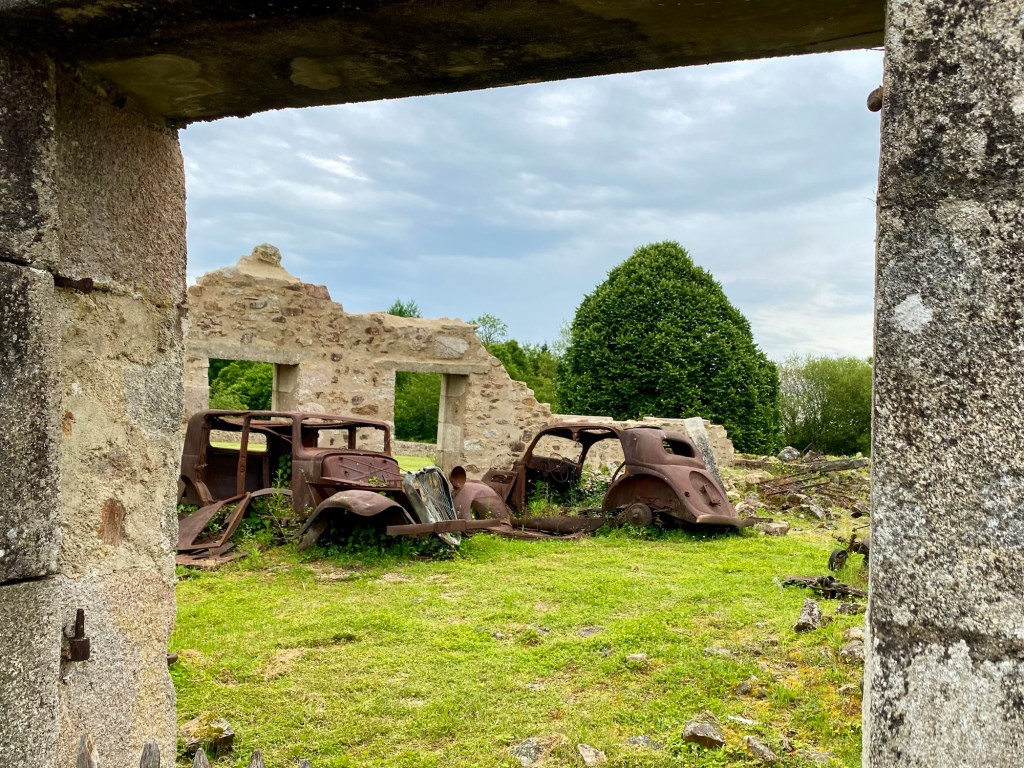
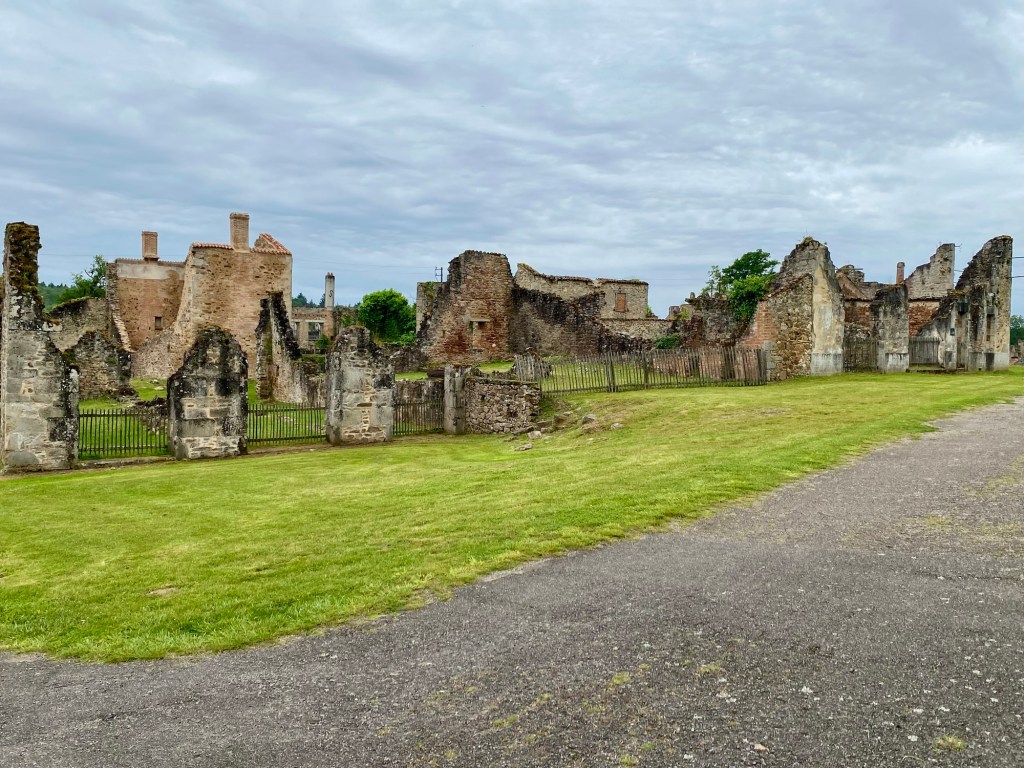
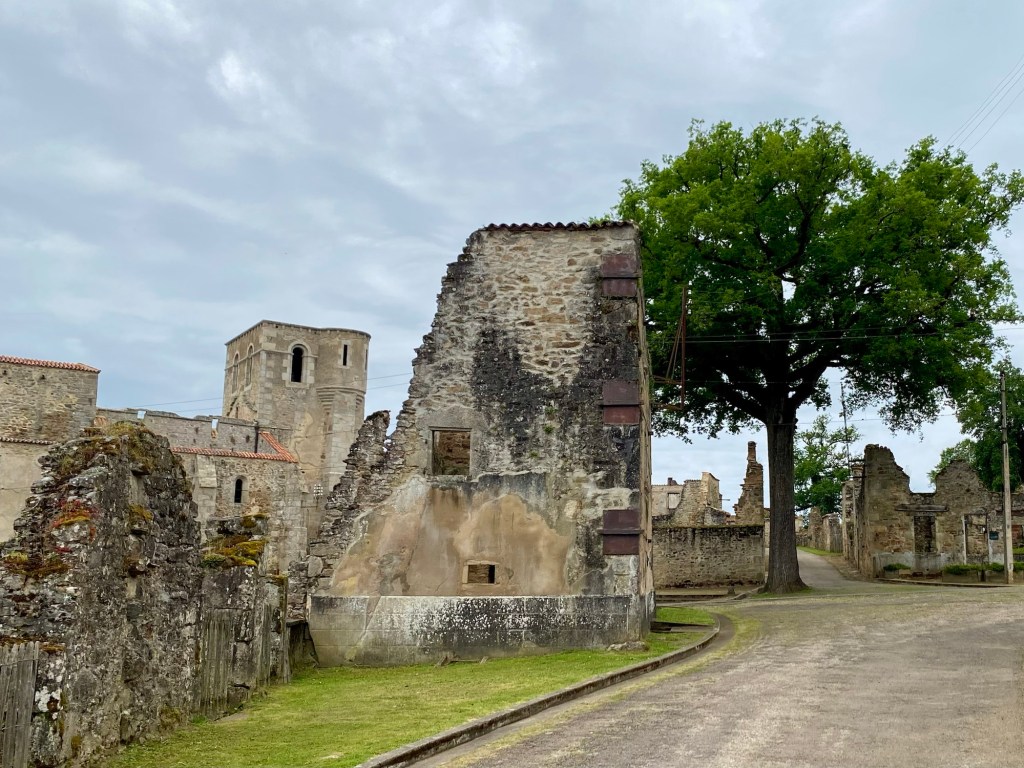
Our day started at the Memory Centre and Martyr Village of Oradour sur Glane. The history is horrifying. After an officer went missing, the SS wanted to make an example of a local village and, on 10 June 1944, just 4 days after D-day, Oradour sur Glane was surrounded. Its inhabitants herded into the town square, men were separated from women and children before they were all incarcerated and murdered and the village set on fire. The village was destroyed, together with any evidence of the atrocity. Surviving families were never able to identify their loved ones because of the scale of burning and burial in mass graves.

The village was designated a memorial and preserved, and a new village built overlooking the historic site. Each year, the massacre of 640 people is remembered with a parade from the new town to old, held in silence as a time to reflect. Here are a few photos which don’t do justice to what happened here.

Our walking holiday started this afternoon in Martel. The plan was to meet up with Jacky and Ken and park the cars in time for our hotel transfer at 5pm.

We arrived early, imagining drinking a cold beer while we waited – it’s been a long hot day. Despite instructions telling us about free on-street parking, none was to be found. Martel has taken against long term parking and limits you to 2 hours each day. To be fair, those 2 hours are free but not much use when abandoning a car for 5 days.

Tourist Information and InnTravel came to our rescue, each with a different solution so we chose the easiest and abandoned our cars in a car park 10 minutes outside town. Fingers crossed they will be there when we get back!

With 30 minutes to spare, we arrived at our pickup point and the taxi driver was already waiting, no cold beer for us.

40 minutes later we arrived at Beaulieu sur Dordogne where we spend the next two nights. Our hotel is right beside the river but room has a view of the back alley – you can’t have everything in life

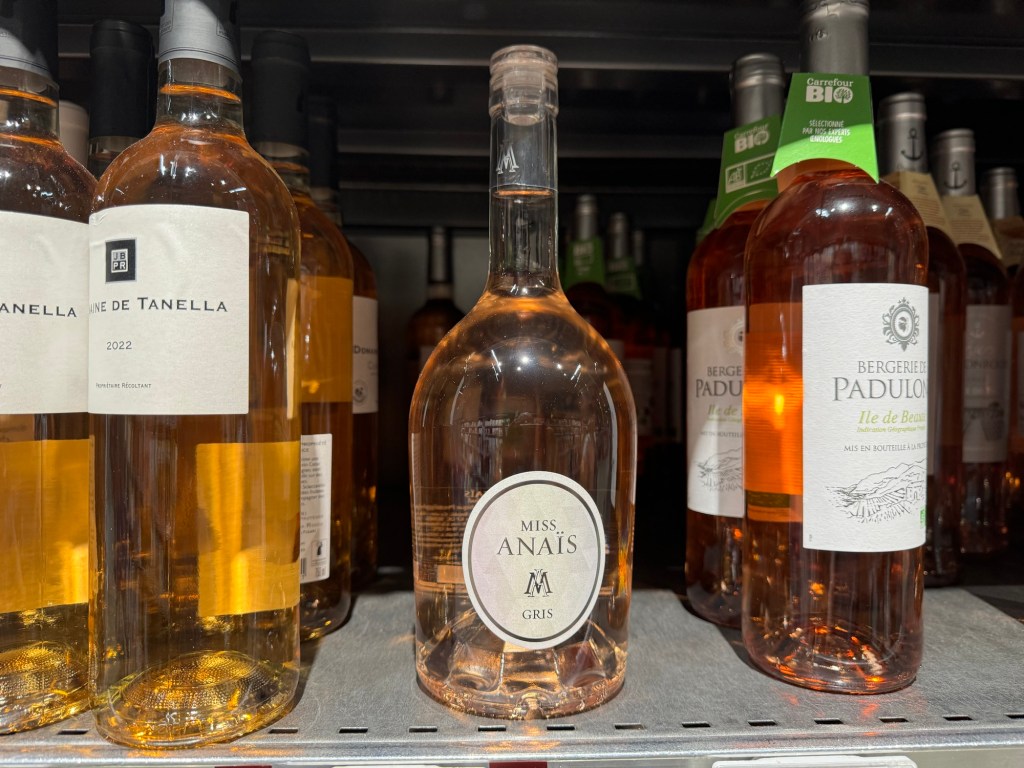
Our find of the day, apart from the car park, was wine bottles sealed with glass stoppers. Never seen before and could now be the new criteria for choosing wine.

I think, therefore I am

Before we tell you about today, we need to share details of our ferry crossing. Brittany Ferries hadn’t paid the heating bill and the whole ferry was freezing. Not only that, it was full of people having a good time. The noise in the bar drove us to bed after only one beer.

The crossing is too short for a decent rest, but is good for an early start ahead of the long drive to Oradour sur Glane. Despite knowing this route really well, we misread instructions for leaving Ouistreham and made a wrong turn driving towards Caen. We went past Pegasus Bridge, Benouville and Cafe Gondree the first French house to be liberated on D-Day.

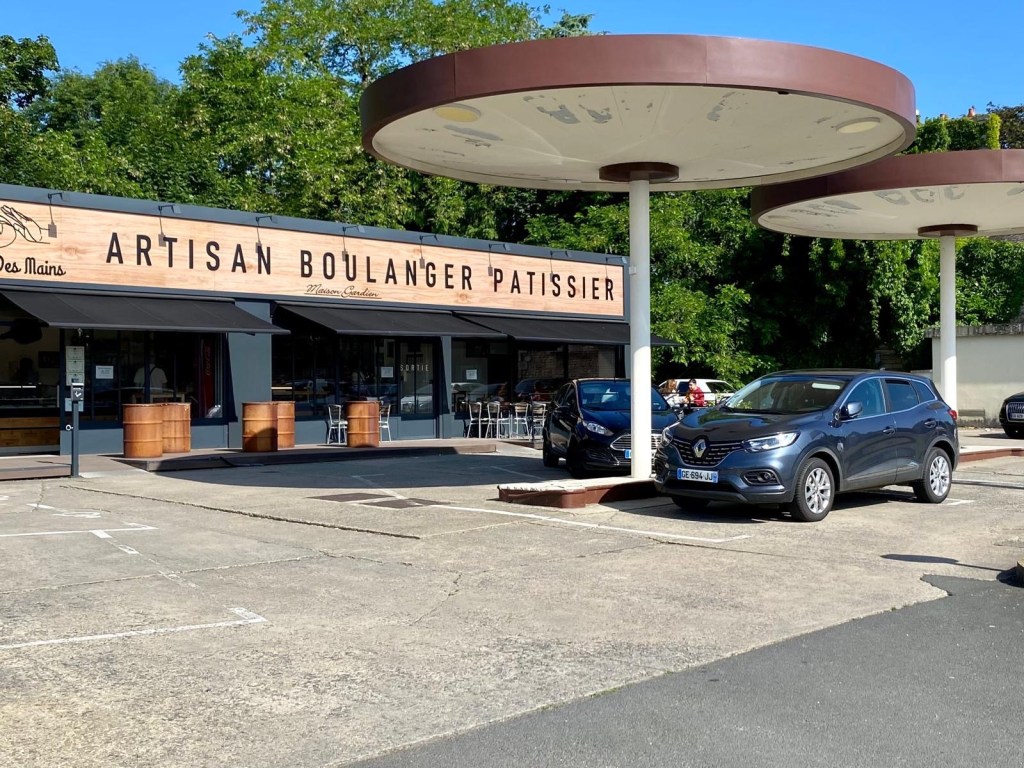
Our first stop was between Alencon and Le Mans, a lovely patisserie located in a disused filing station. Fortified with caffeine and sugar, we whiled away some time in the morning sunshine before heading on.

Negotiating Le Mans was our next big challenge. The annual 24 hour race is next weekend but preparations are well underway with signage and barriers already in place. In fact, if it wasn’t for the barriers we would not have noticed that we were pottering along the famous Mulsanne Straight – proud to be testing the road surface ahead of slightly faster cars due next week.

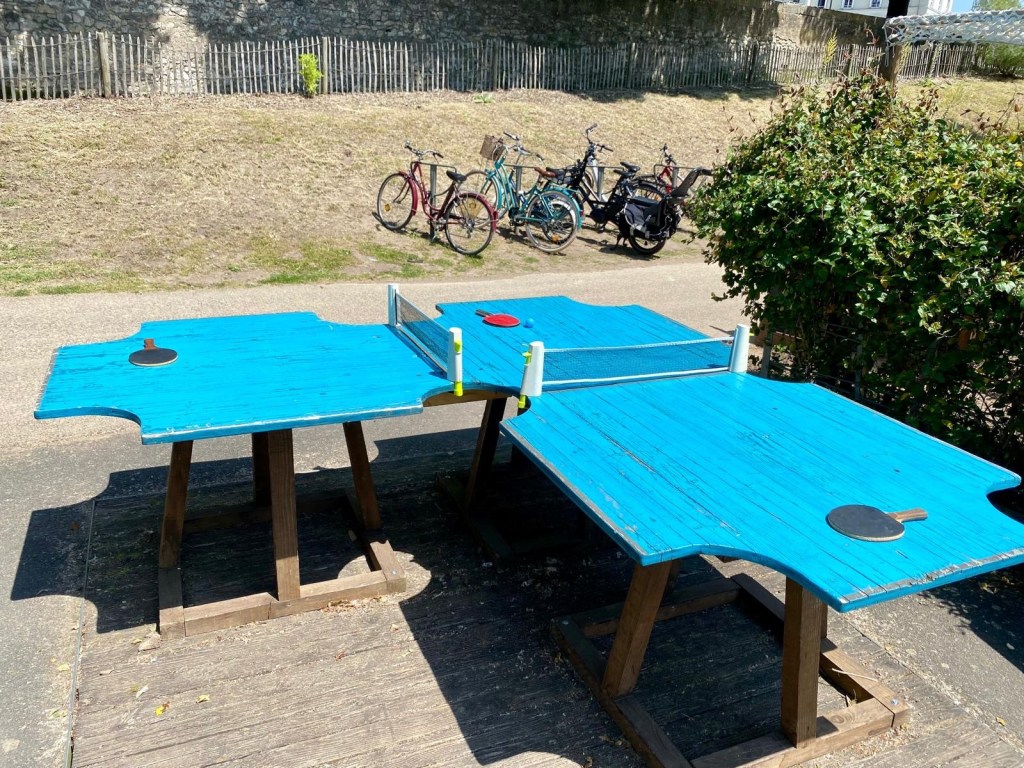
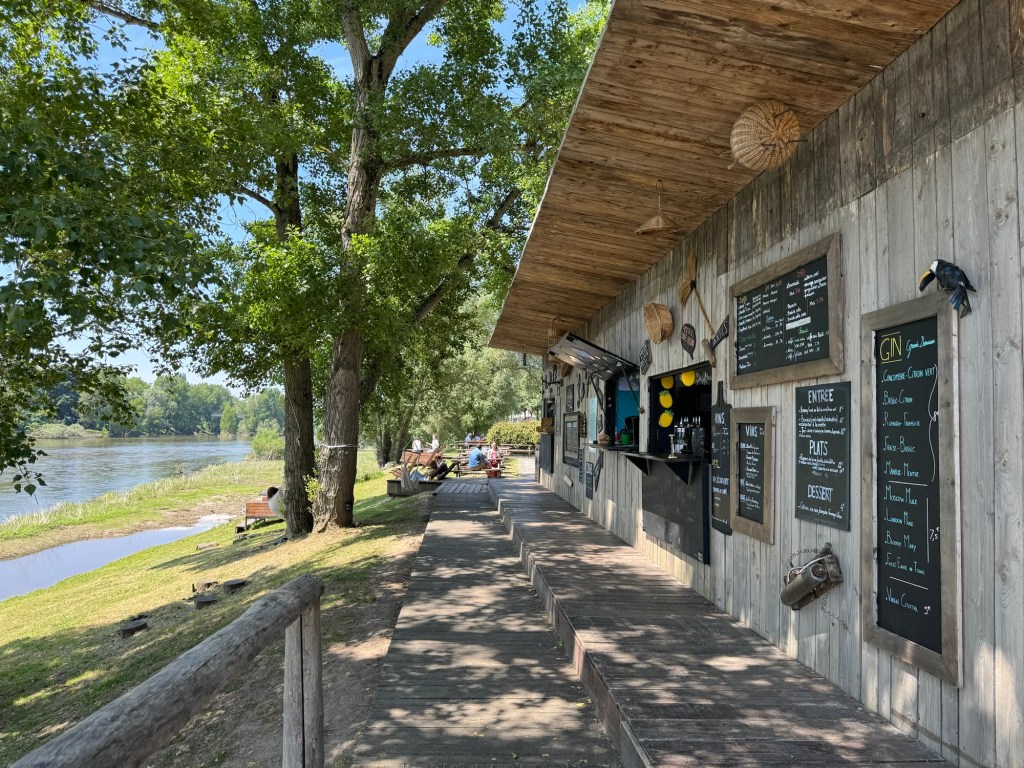
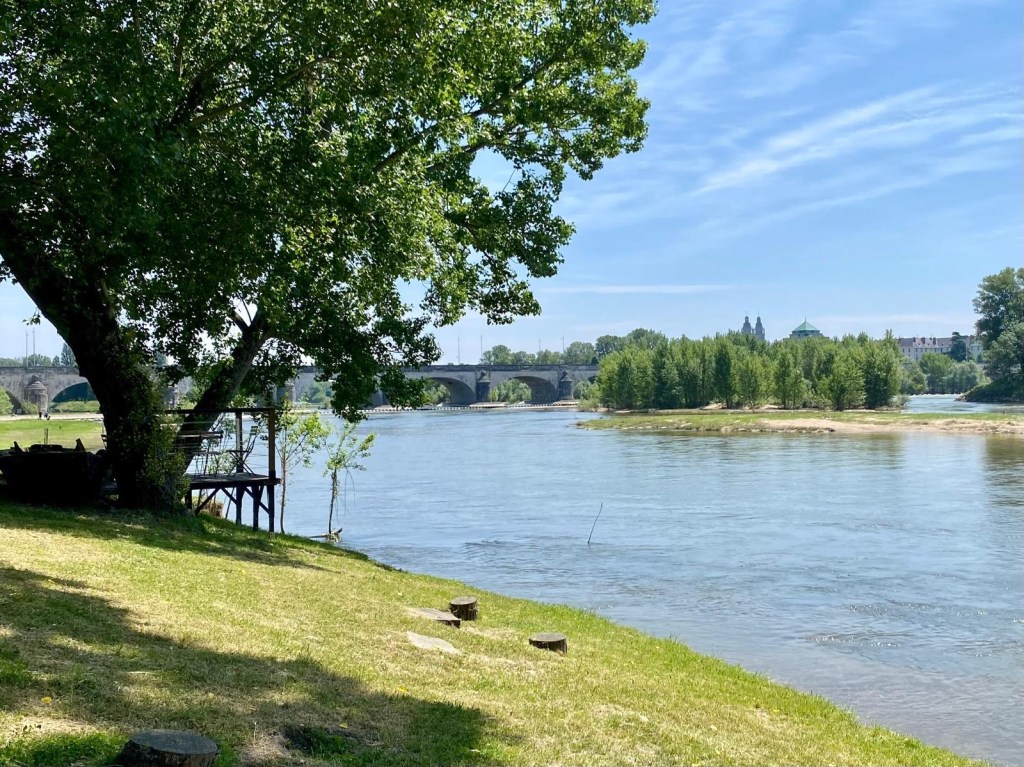
Lunch beckoned and you can’t drive through the Loire Valley without stopping by the river. A slight detour and we were sitting on the beach at St Cyr sur Loire, looking over the river towards Tours. The beach cafe supplied more caffeine to keep us going and then we noticed the table tennis…..

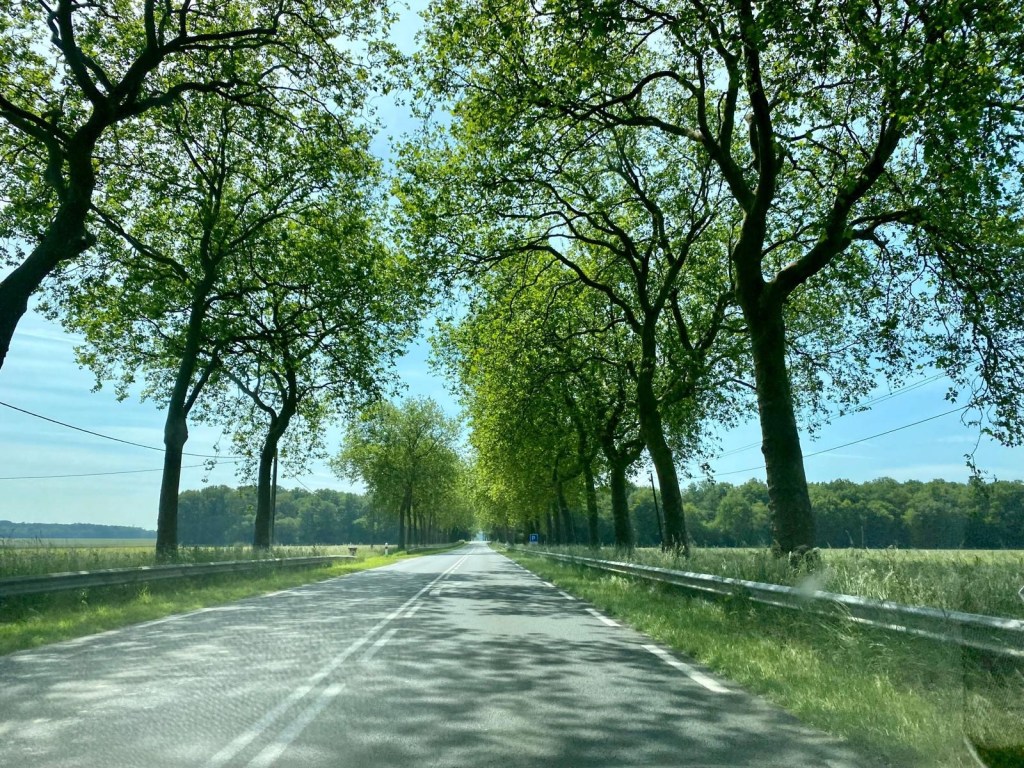
Our chosen route took us along many miles of empty roads which led to a lot of chuntering about awful roads at home.

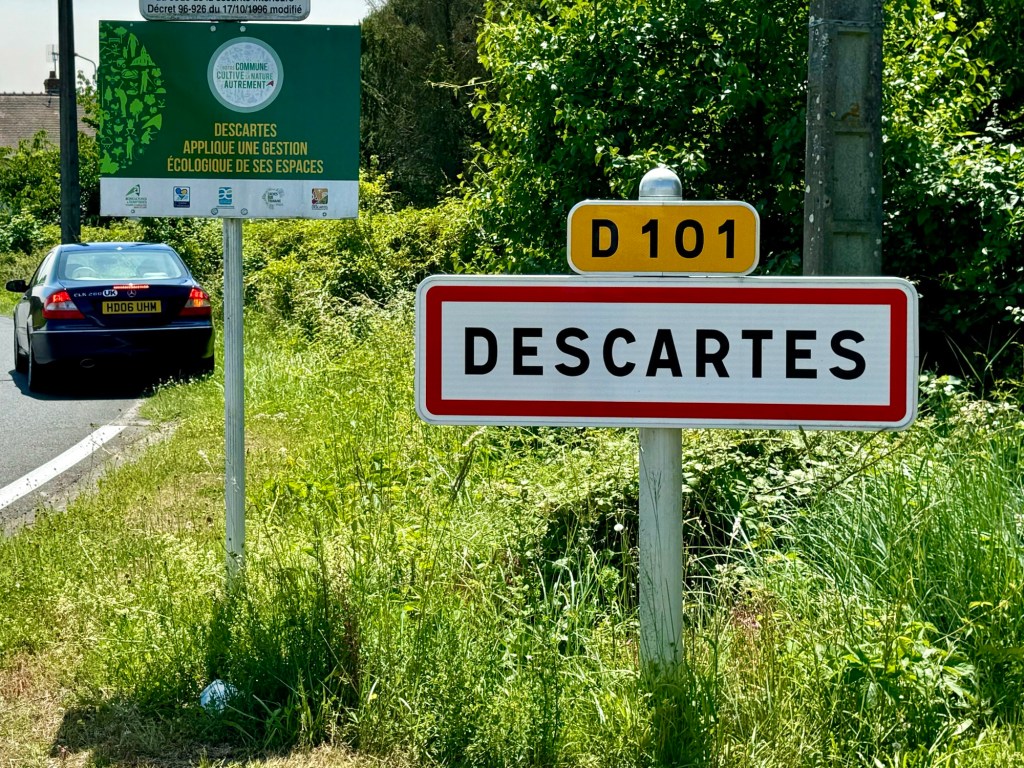
Unexpectedly, we discovered a museum dedicated to Rene Descartes the philosopher who was born in the town of La Haye en Touraine. Confusingly, the town is now named Descartes in his honour.

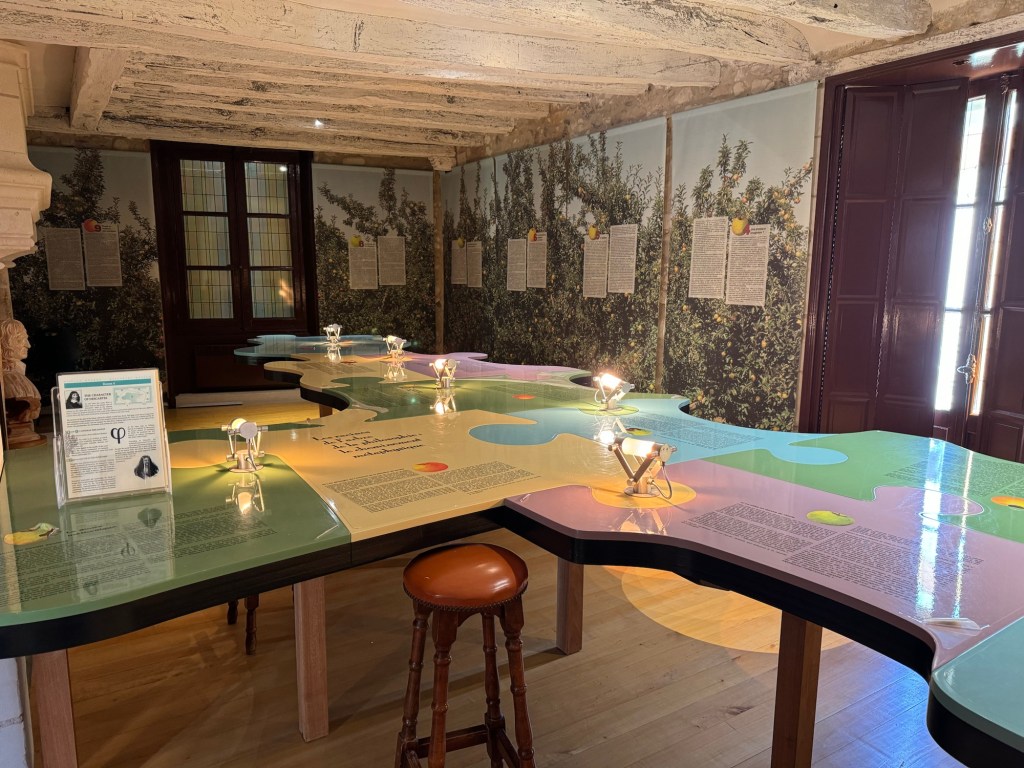
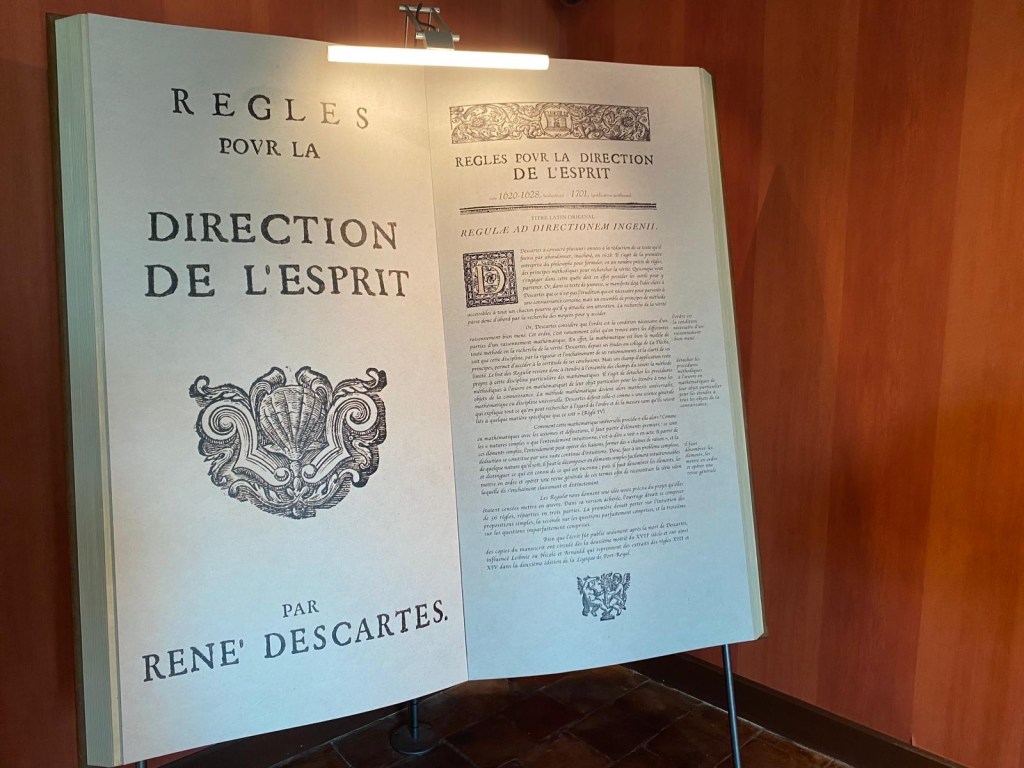
The museum occupies the home Descartes was born in and provides an interesting insight into his life, education and popular beliefs of the time. His thinking, and methodology, seem to have been at great odds with his faith. His first method of reasoning is ‘to believe nothing except that which is clear and certain’. We’re not sure how he managed to align that with his Catholic beliefs.

Not only were we treated to the Descartes museum but also one dedicated to the French author, journalist and critic Rene Boylesve. We had never heard of him but he led a very interesting life until his death in 1920

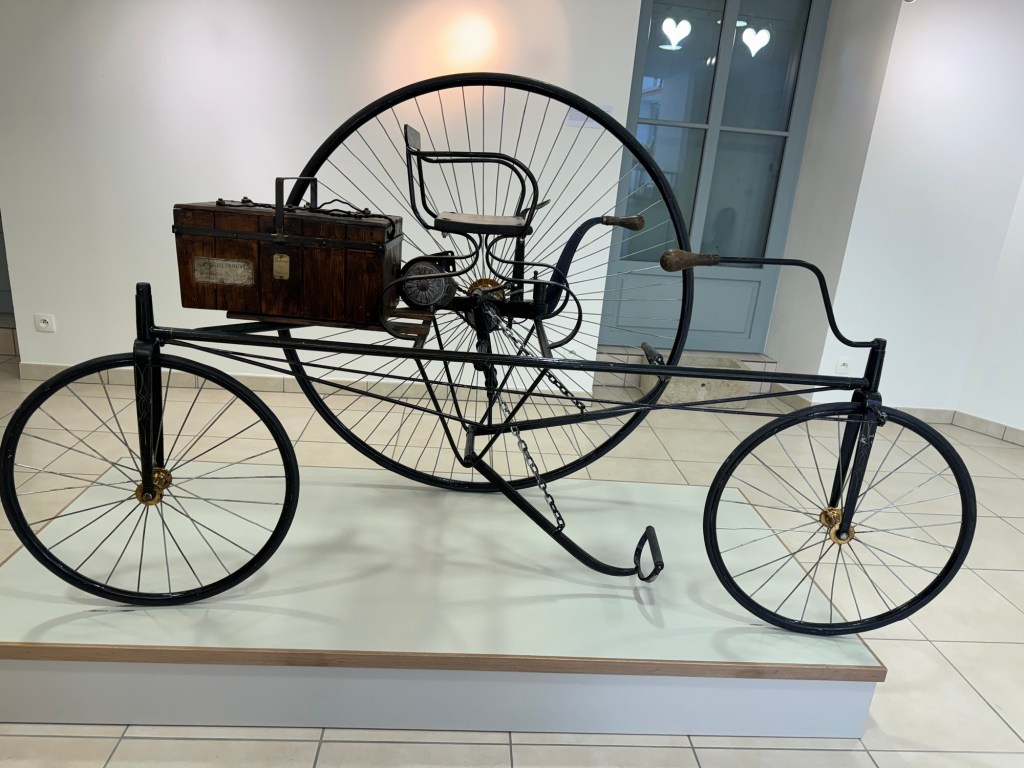
Finally, there was a small exhibition dedicated to Gustave Trouvé, an electrical engineer who invented, amongst other things, a battery powered tricycle in 1881.

We vowed never to do this again…

‘This’ being two holidays so close together. But, sometimes, you just don’t learn from experience.

It seems fitting to sail from Portsmouth to France on D-Day although, from the comfort of Brittany Ferries, we can’t imagine what it was like 80 years ago.

We are travelling to France for, what has become, our annual Inntravel walking holiday with Jacky and Ken. Our plan includes stops at Oradour sur Glane, a village destroyed by Nazis 4 days after D-Day, and Carentan where The Longest Yarn is on display. More about that when we get there. In between we have 6 days walking in the Dordogne and a visit to John’s friend Bunny who moved to France 8 years ago.

Rumour has it that the weather in the Dordogne is the worst in 40 years!

It’s very Orange today…

Yet another very wet day greeted us this morning, we were fortunate to see the sun yesterday. The hotel owner commented that the weather was really bad for April, usually it would be warmer certainly much drier and they would be using the outside seating for passing visitors.

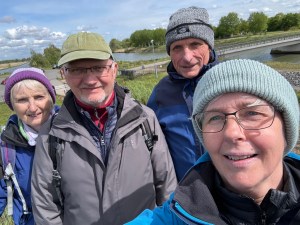
To put you out of your misery, here are hats with their owners.

Each day, our blog cheerily greets us with statistics. Apparently views are up 1,500%, impressive until you realise it’s taken our total up to 28.

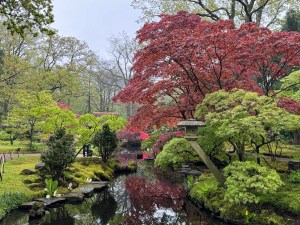
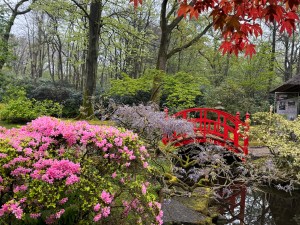
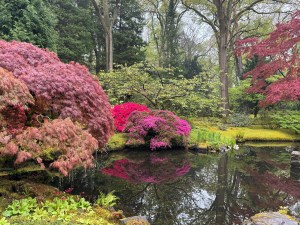
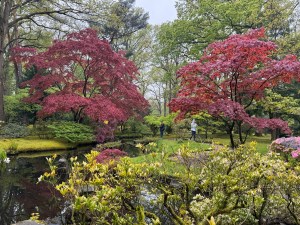
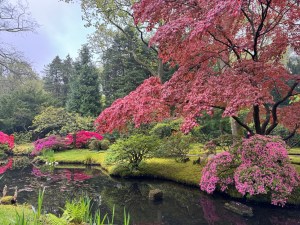
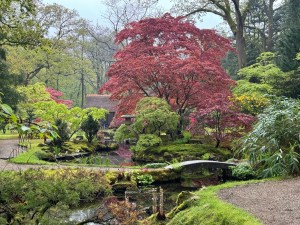
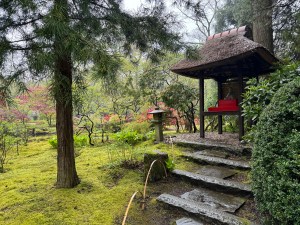
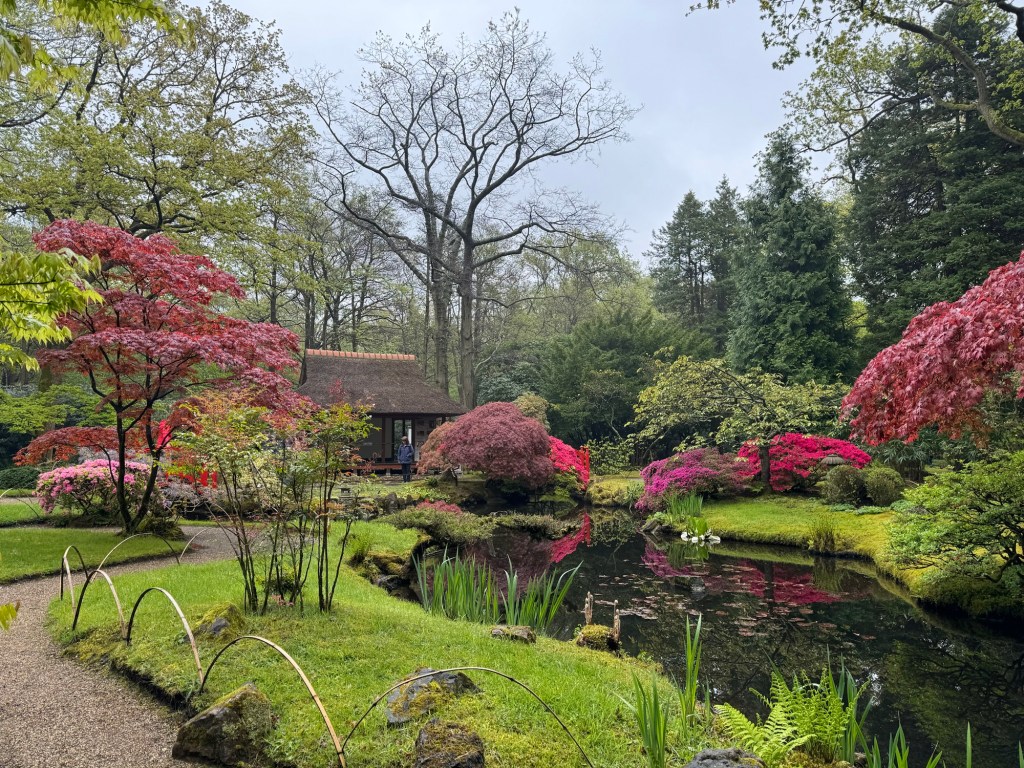
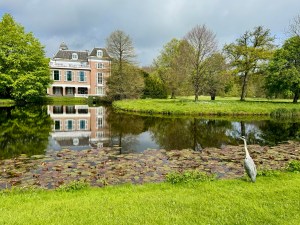
Kim was keen to visit the Japanese Garden in Clingendael Park, just north of The Hague. Not far out of our way and it’s the only 20th century Japanese Garden in the Netherlands. Created by Baroness Van Brienen in 1900, following her travels in Japan, visitor access is limited to just 6 weeks a year. It first day of opening happened to be today, visitor information told us it could be closed during heavy rain and the only available parking was on street, what could possibly go wrong?

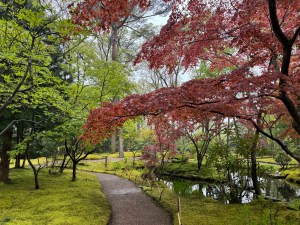
Well, nothing! On street parking was plentiful, and free, the rain stopped, the garden was open and, in Kim’s opinion, the best horticultural visit of the trip. The entrance and exit were guarded and visitor numbers carefully controlled.

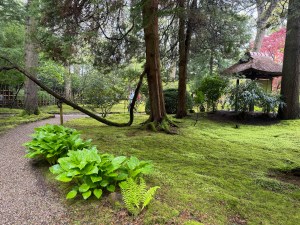
The ground is covered in moss, creating a cool, calming effect. Paths are narrow and most edges are protected with bamboo hoops. You don’t need to know this, Kim simply wanted to share more pictures..

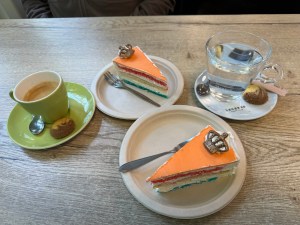
Today is Koningsdag and consists of an orange filled celebration of the King’s Birthday. People are dressed in orange, music, flea markets and fun fairs abound. We took part with a slice of King’s Day cake to accompany our coffee in the park’s cafe, before heading back to the car and our ferry.

Finally, 5 facts you may not know about The Netherlands:

1. The Dutch turned carrots orange as a tribute to William of Orange

2. The Dutch eat more licorice than any other nation

3. King Willem-Alexander flies planes for KLM

4. Gin was invented by the Dutch in the 16th century

5. The Netherlands is the world’s second biggest beer exporter

Milliners in Dordrecht rejoice

Well done to everyone who cracked yesterday’s code. First prize, if there was one, goes to Julie.

2024 is the year of the great hat crisis. It’s been cold and hats have been lost or even left in the UK, so hat sales in Dirdrecht, have increased exponentially. Only one person still has an original hat. From the photo below, can you guess who is the owner of which hat and, more importantly, which one hasn’t been purchased in the last two days?

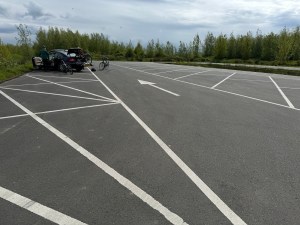
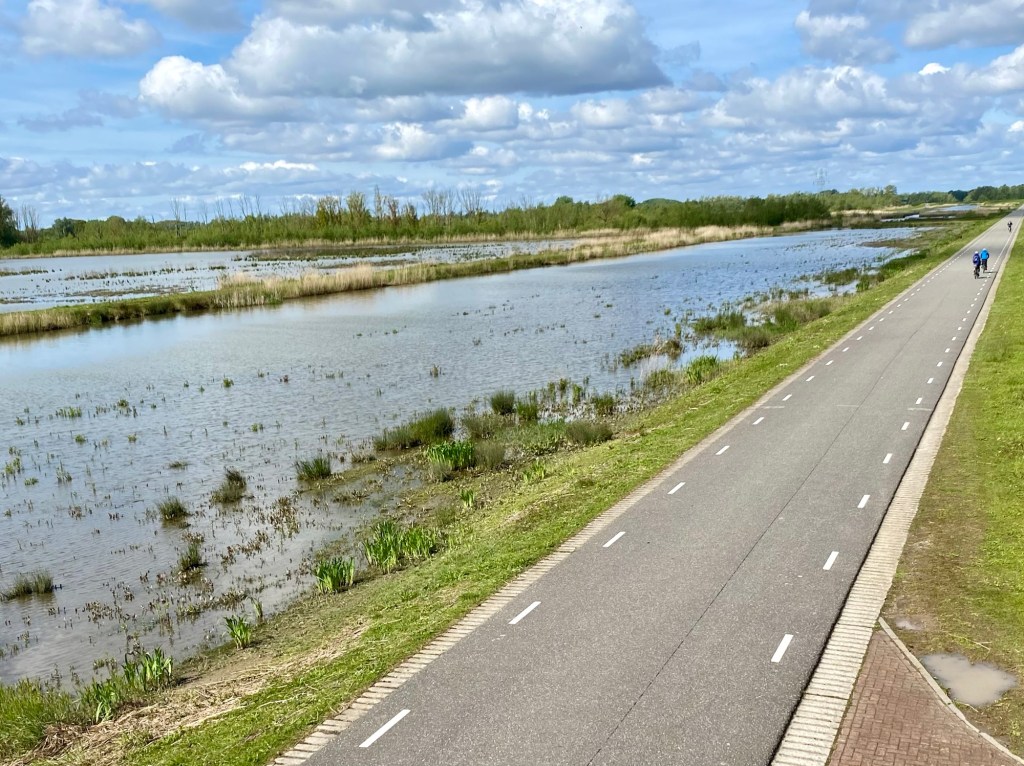
Today the sun shone and we cycled around the Beisbosch National Park. Less than a mile from our hotel is a ferry that takes you from Dordrecht, across the Nieuwe Merwede river, to the park. Sadly it crashed a couple of weeks ago and, annoyingly, doesn’t resume service until tomorrow! Bikes were therefore loaded onto the car for the 40 minute diversion. We had worried about space for parking, cars are probably the most challenging form of transport over here, but all was well.

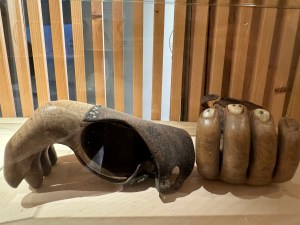
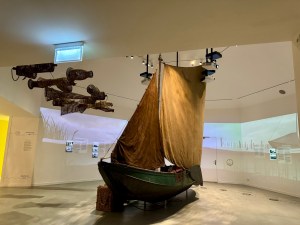
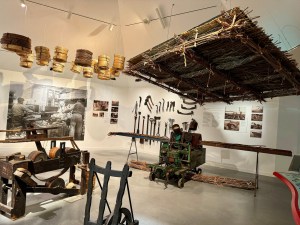
The history of the area is fascinating and it has been a harsh environment to boblive and work in. In 1421 the whole area flooded, washing away the villages, because distracted landlords had not kept the dikes in good repair. Rich agricultural land became an inland sea and an abundant fishing ground. Slowly the land was planted with rushes and willows providing tough, low paid work for inhabitants. Rush, reed and willow cutting was hard physical work. Cutters often lost fingers, this one more unlucky than most to lose four fingers! The wooden prosthetic was shaped to enable its owner to remain employed.

In 1970, there were incentives to fill in polders and create larger fields to improve crop yields. This lasted 30 years until the land needed to be returned to water to deal with flood waters from the Rhine and Meuse. Today it forms part of the flood defences, protecting the surrounding land from flood water and high tides and respite for migrating birds.

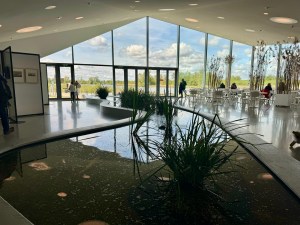
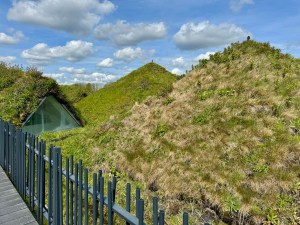
The Biesbosch museum was amazing, not only for its’ design – it’s covered in grasses and disappears into the very flat landscape – but also it’s informative and engaging displays.

…. . .-.. .-.. -_-

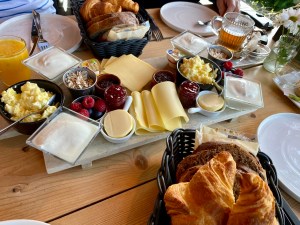
Our days have started with a very tasty sharing breakfast. There has been no fighting, although Kim had more than her fair share of muesli this morning.

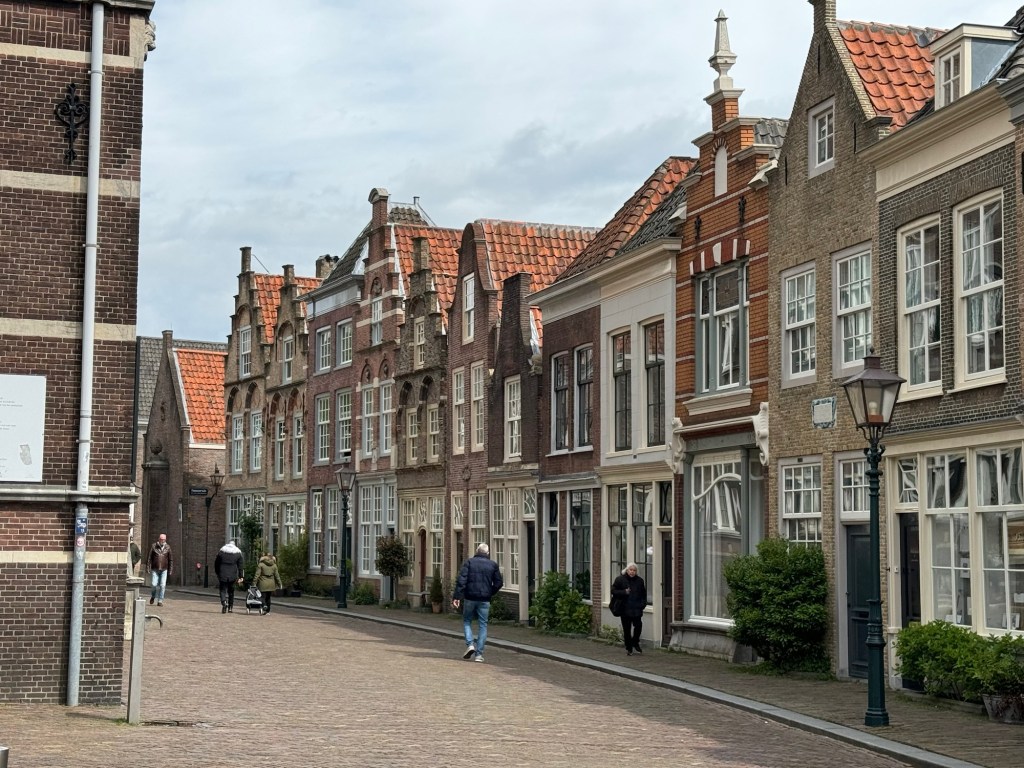
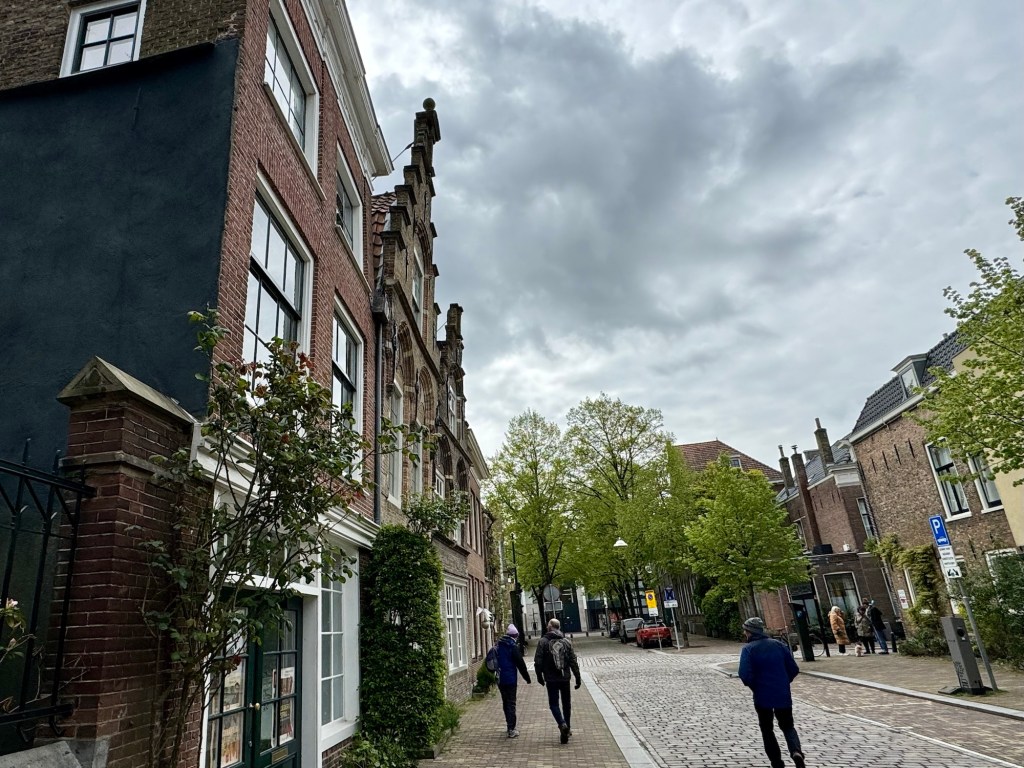
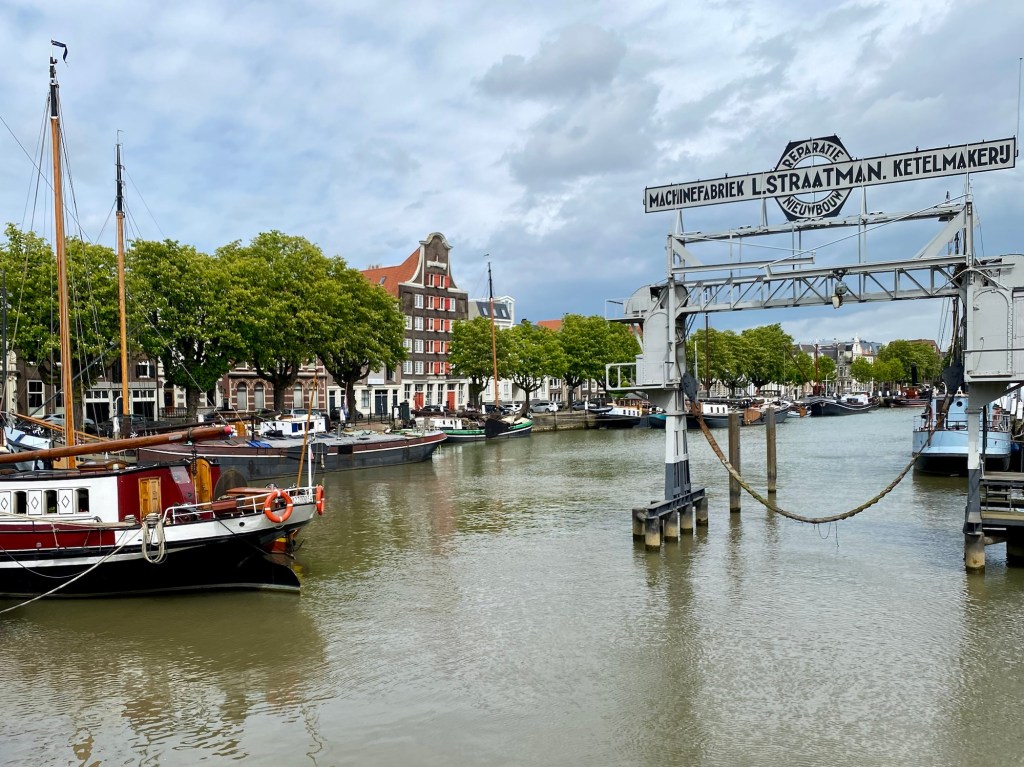
Today, we cycled into Dordrecht. It was granted city status in 1220 making it one of the oldest in The Netherlands. It was an important merchant city, trading in wood, grain and wine and, today, is home to many monuments and museums. The Dordrechts Museum, established in 1842, is one of the oldest in the country housing 600 years worth of art. We didn’t visit it, there was no appetite for paintings by old Dutch Masters but we did wander through a beautiful city.

Our museum of choice was the 1940-1945 Museum, a history of Dordrecht’s Occupation and liberation. A small room was dedicated to the Dutch Resistance which can be characterised as largely non-violent according to “Was God on Vacation” by Jack van der Geest . Apparently a 1938 Dutch law required all guns to be registered, when the Nazis invaded they found the register, went house to house demanding the guns and hence there wasn’t actually a great deal of resistance. Exhibits have been donated by local families and provide a rich collection together with some wonderful stories of very brave people assisted by the British SOE. As we arrived, one school party were leaving and we were advised to ‘move quick’ to get ahead of the next group of children.

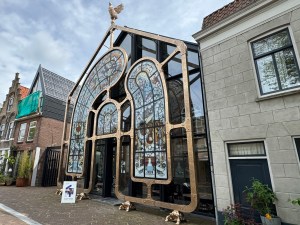
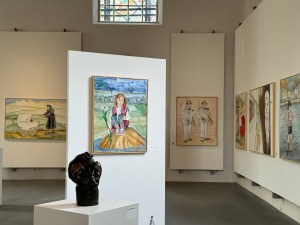
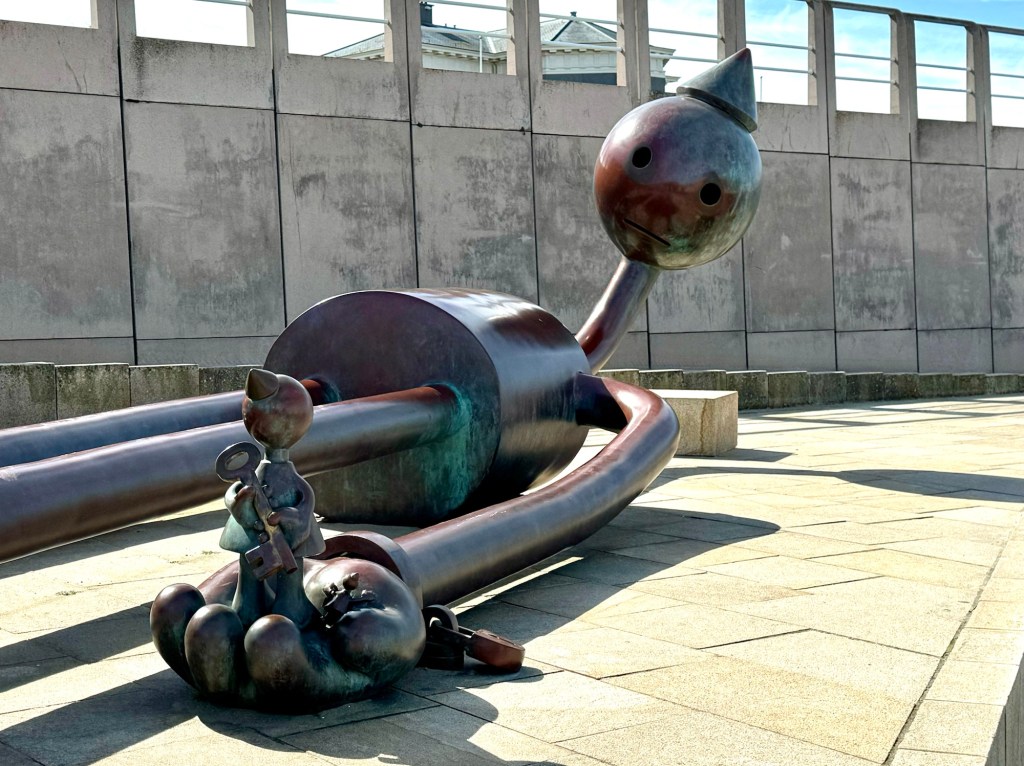
The Simon van Gijn museum, the former Mayor’s house boasting beautiful interiors, is next door and merited a stop. We only made it as far as the cafe where we were lulled into serenity with very good cuppas and tasteful jazz music. Two hours later, we thought we ought not to spend all day there and wandered off to find culture that was suitable for all – there’s been a lot of grumbling about old Dutch Masters. Modern art was discovered in the Kunstkerk, a converted church now housing exhibitions by new Dutch Masters. The entrance is amazing. The mural depicts the legend that the world is carried on the back of tortoises – very Discworld! The chicken on the top is a nod to the building’s history as a church and its old weather vane. The current exhibitor is Hella de Jonge, we will let you make you own mind up on her art.

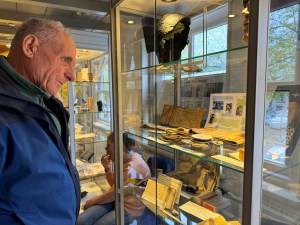
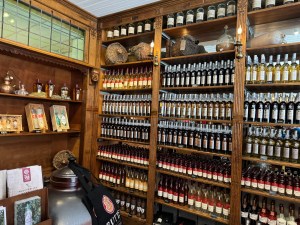
Next stop was the Rutte Distillery, gin distillers since 1749. The Rutte family owned the business until 1992 when it was sold to a group who loved the product. Gin is still distilled on site and the smell of botanicals was prominent as we walked in the shop. Today, they were distilling Sloe Gin and a long conversation followed about sloes in the UK. Sadly we needed 8 more friends to be able to take part in a tour and tasting.

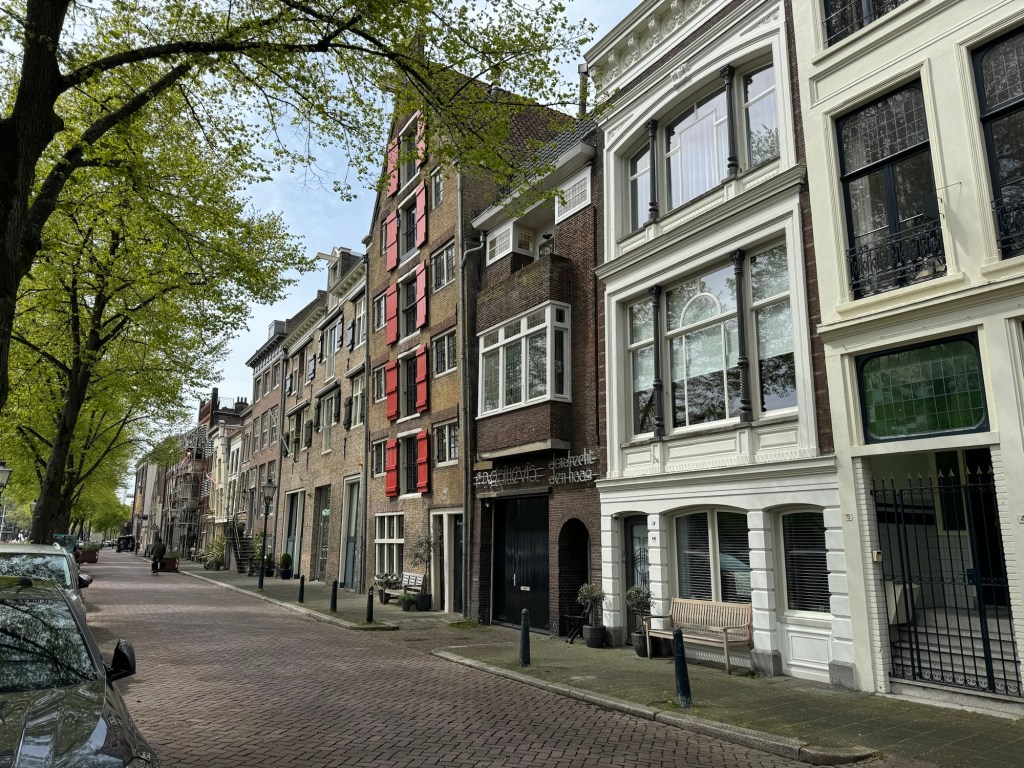
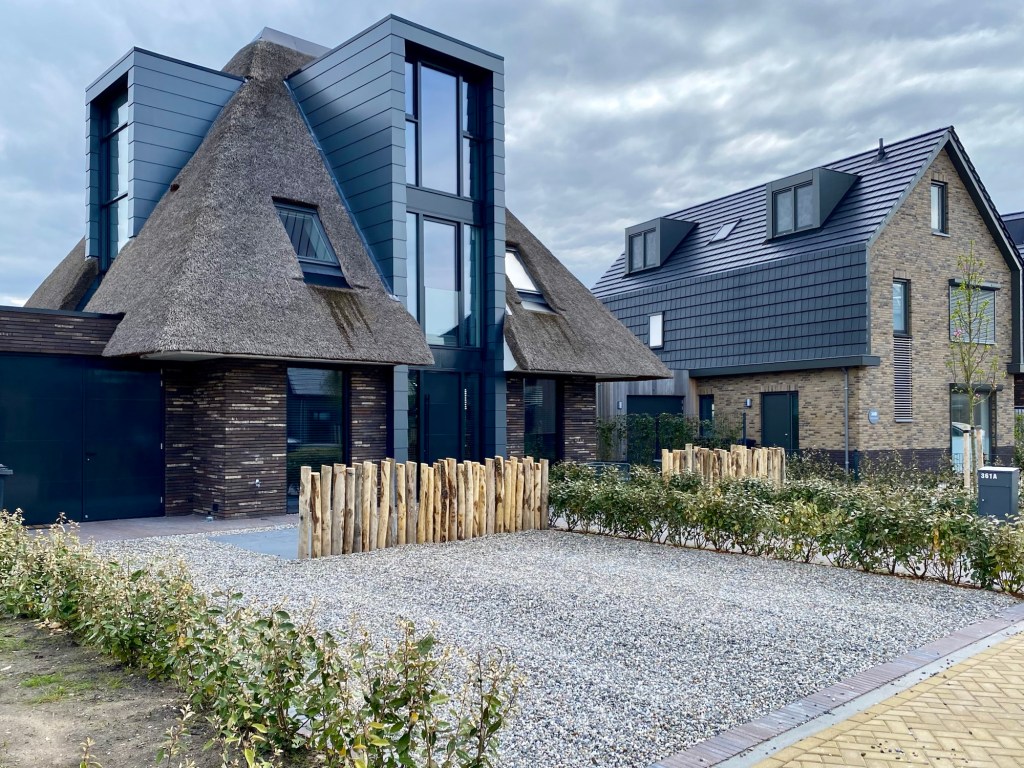
The rain had held out for us but the first spots started as we cycled back through a small estate that caught our eye this morning. Dutch architecture is fascinating

Finally, can anyone decipher today’s title?

Trains, trams and trees

The day started with torrential rain and hail and, being fair weather cyclists, we opted to leave the bikes in the hotel and take a trip into Rotterdam.

Kim was determined to visit the Arboretum Trompenburg, John fancied a harbour tour whilst Ken and Jacky were keen to see the Cube Houses which we’d experienced on our way back from Floriade in 2022.

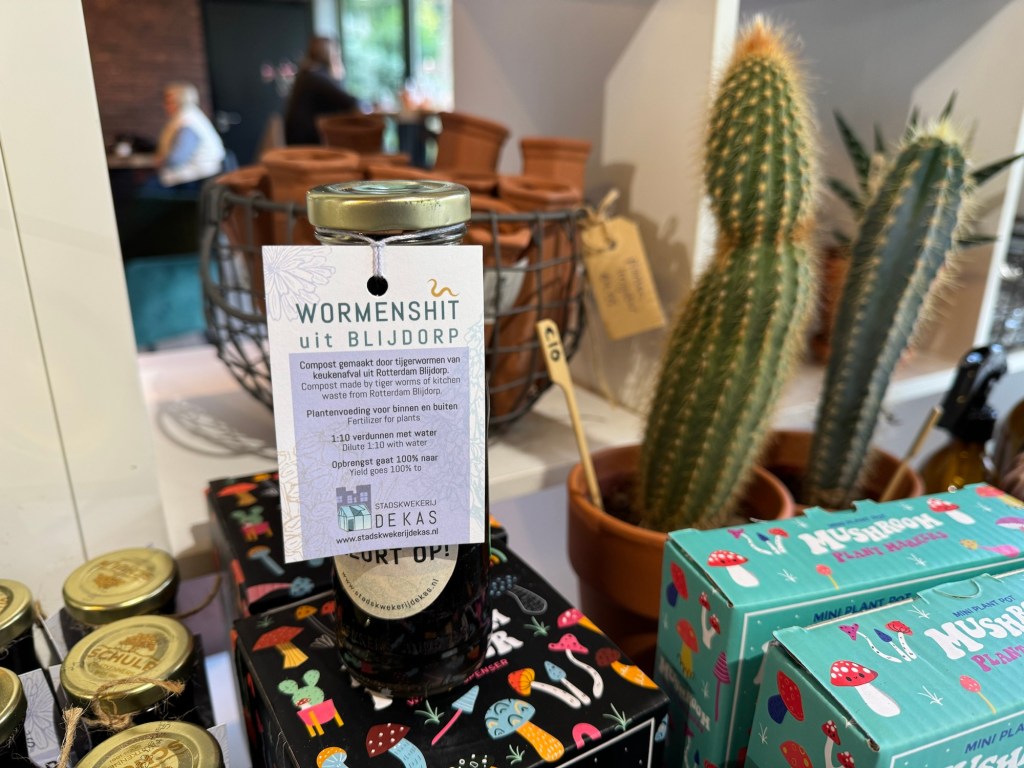
It was a short walk to the nearest railway station, one stop had us in the middle of Dordrecht, straight across the platform and we were on our way into Rotterdam. After a brief debate with Tourist Information, and a helpful local, we were on a tram heading out of the city. Within an hour of leaving the hotel, we were drinking a cuppa in the arboretum cafe. All good adventurers need a cuppa when a foreign journey has been completed successfully…. and you have to admire the Dutch for their unambiguous product names

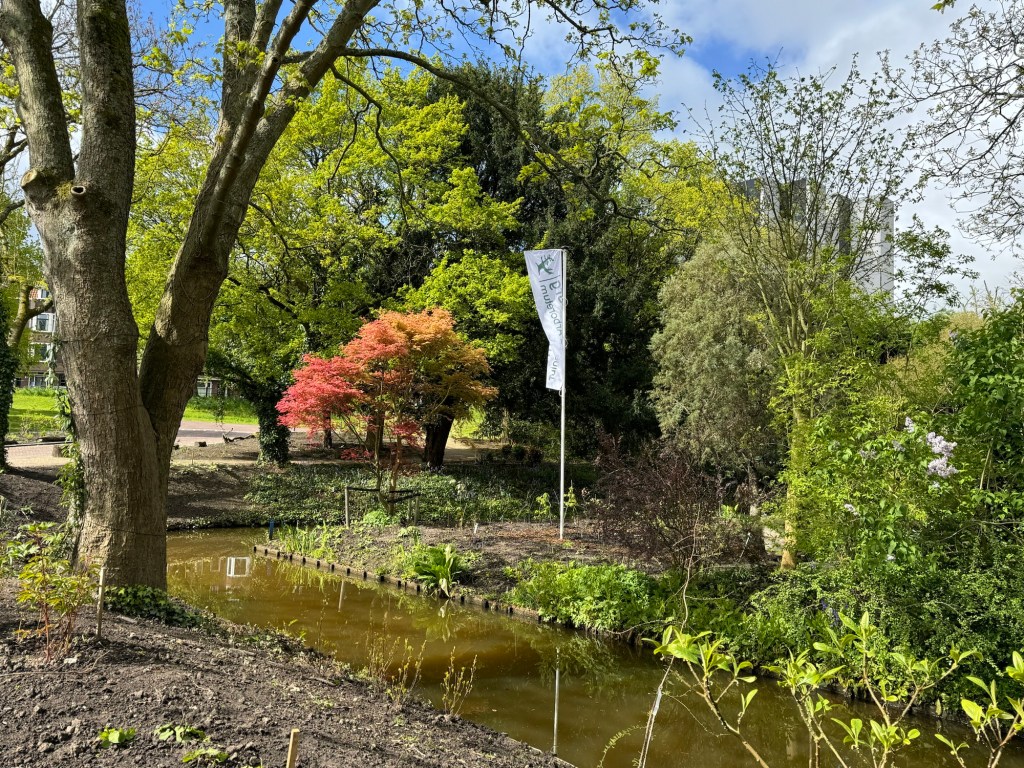
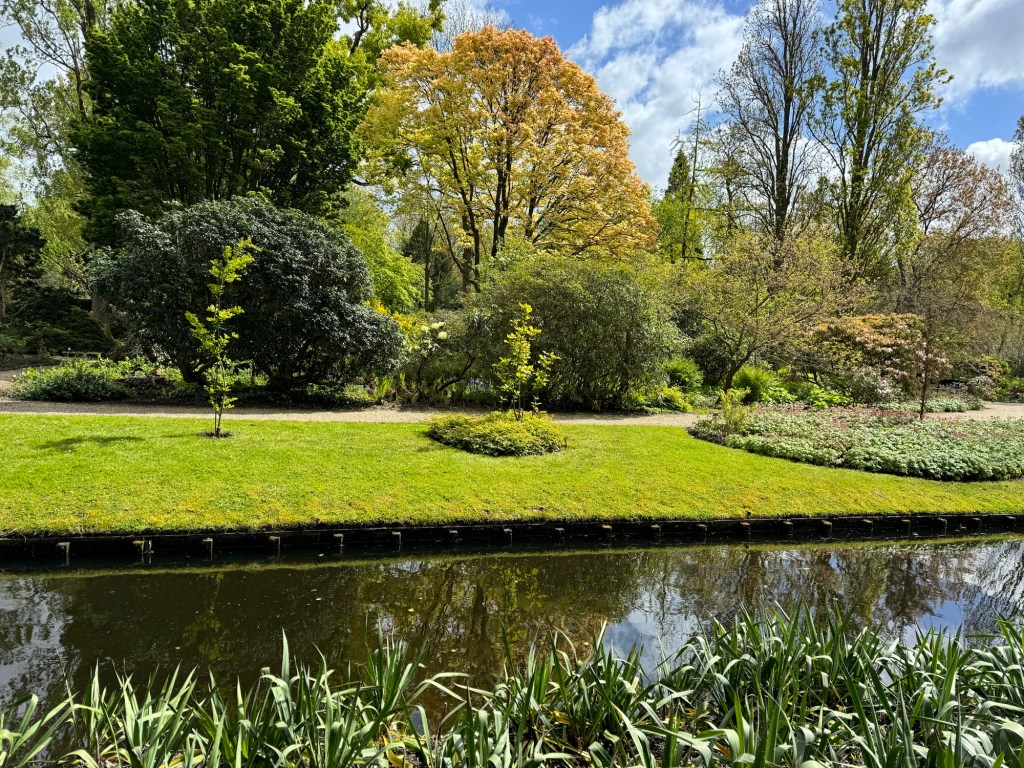
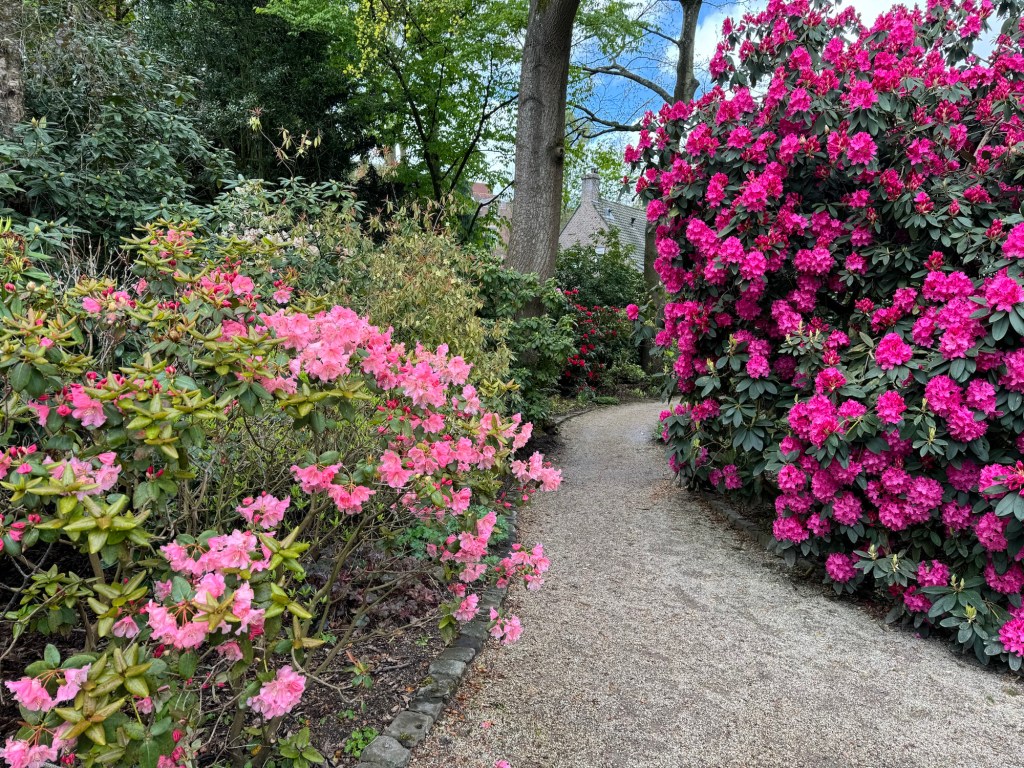
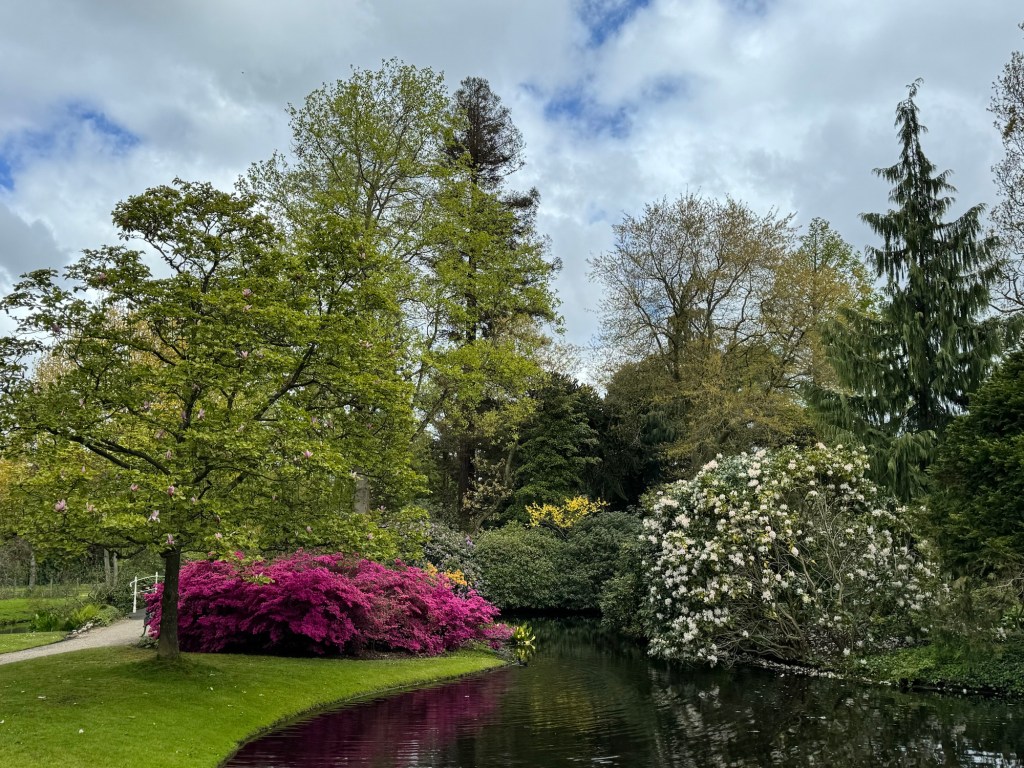
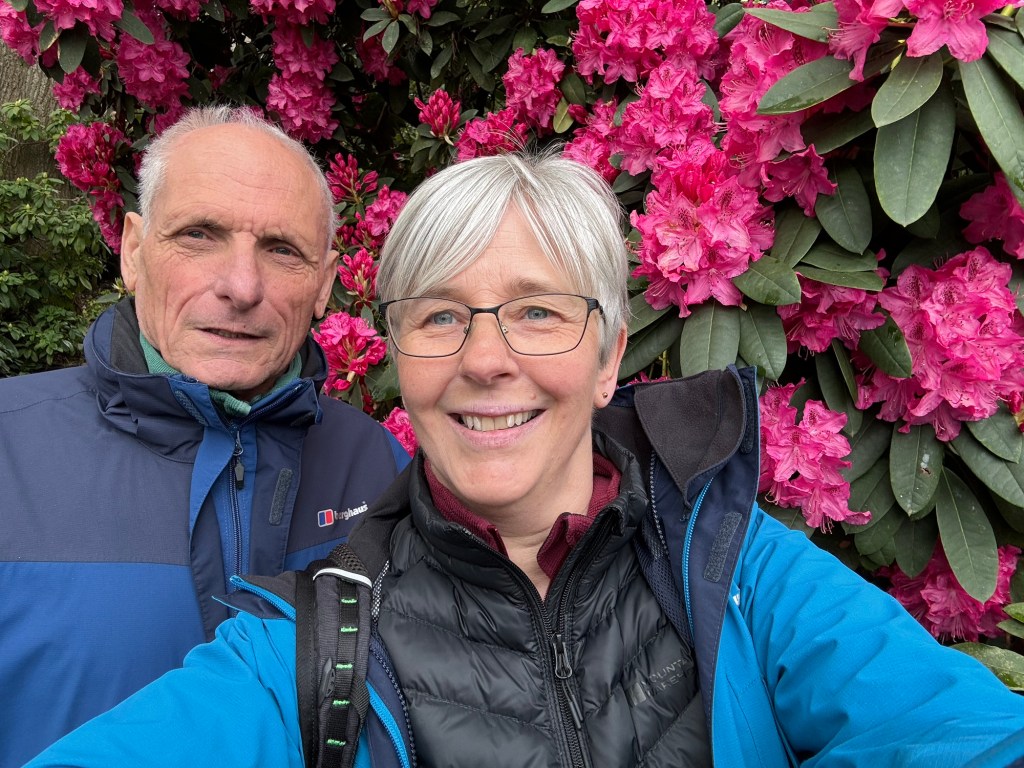
Trompenburg is a 20 acre botanic garden, established in 1820. It holds the Dutch National Collections of Oak, Beech, Holly and Hostas as well as growing 700 varieties of rhododendrons. We were a bit early to see the trees in full leaf, the rhododendrons at their best or a single hosta but it was still a fantastic experience.

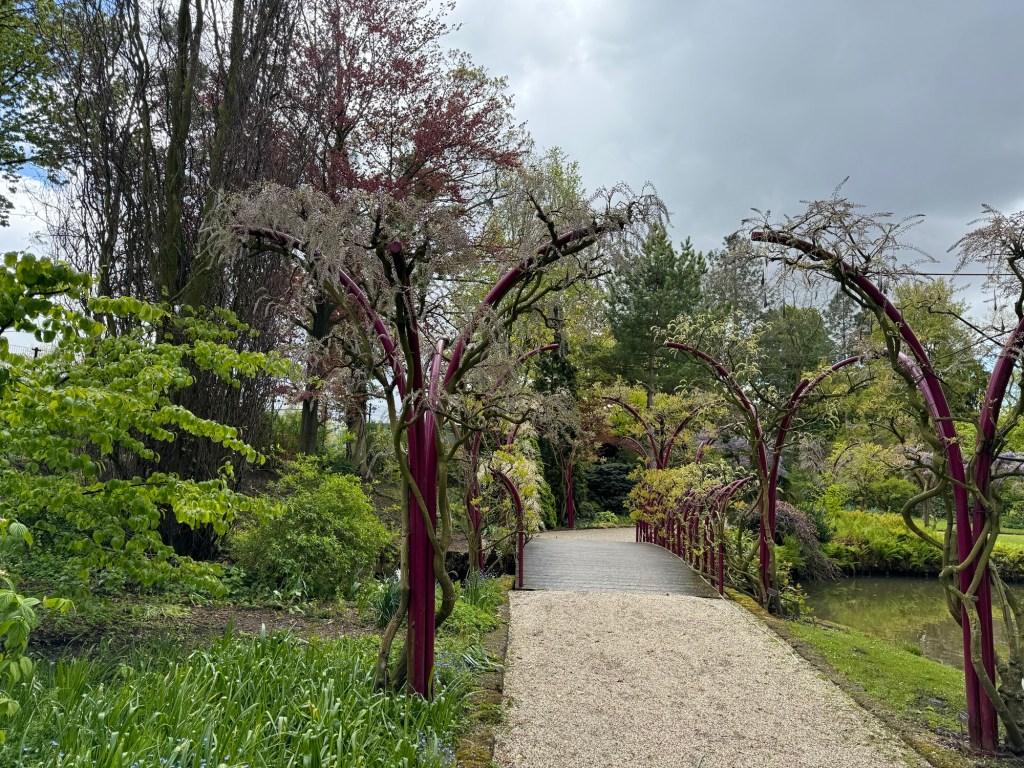
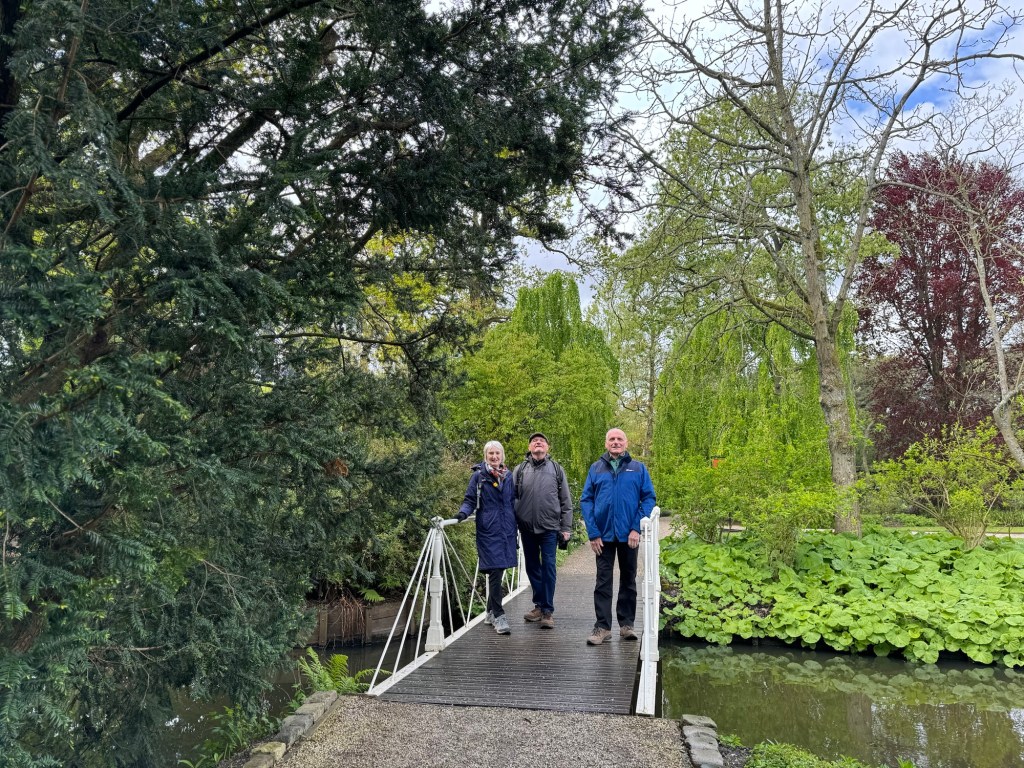
Please excuse the posers on the bridge, hopefully they will soon get tired of the ‘leg forward, chin up’ approach to photos.

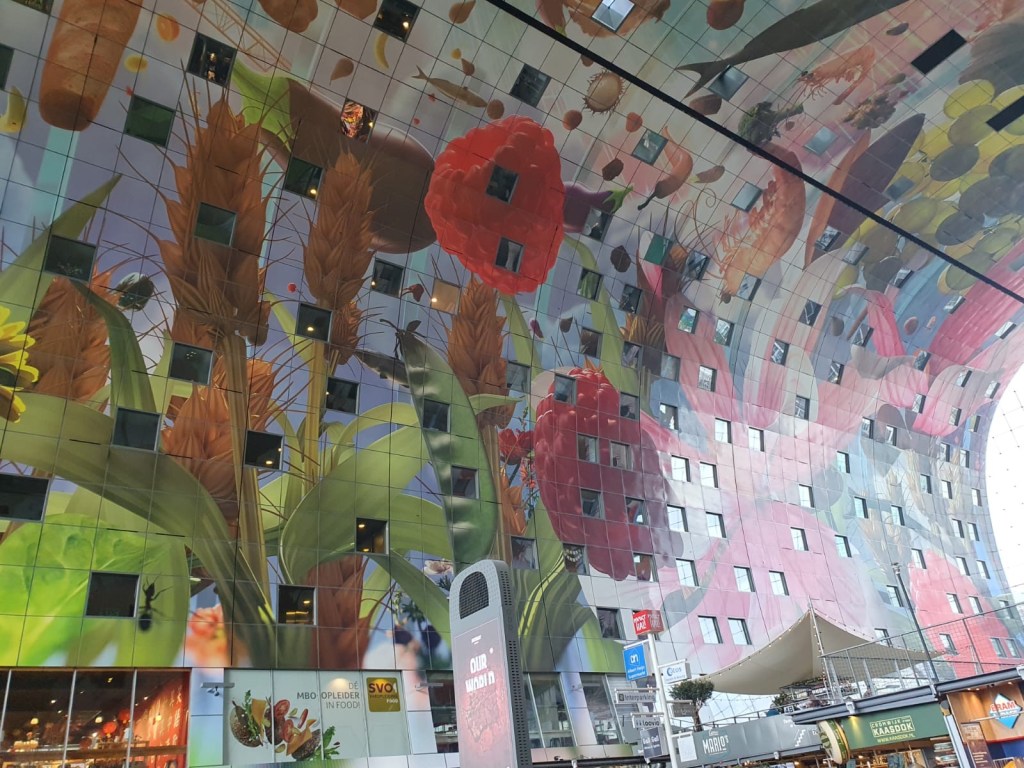
Having decided a harbour tour would be too wet and cold, we took a break in the Markthall in Rotterdam. It was conveniently near to our station and it seemed rude not to explore what is essentially a multicultural food hall, spotlessly clean and full of tempting smells and free samples. We started to regret that we’d eaten lunch at the arboretum. There are no photos of the amazing interior, we were too busy going ‘oooh’. Luckily Jacky thought to take one of the ceiling

The windows that you see belong to offices and apartments housed in the exterior, an incredible design.

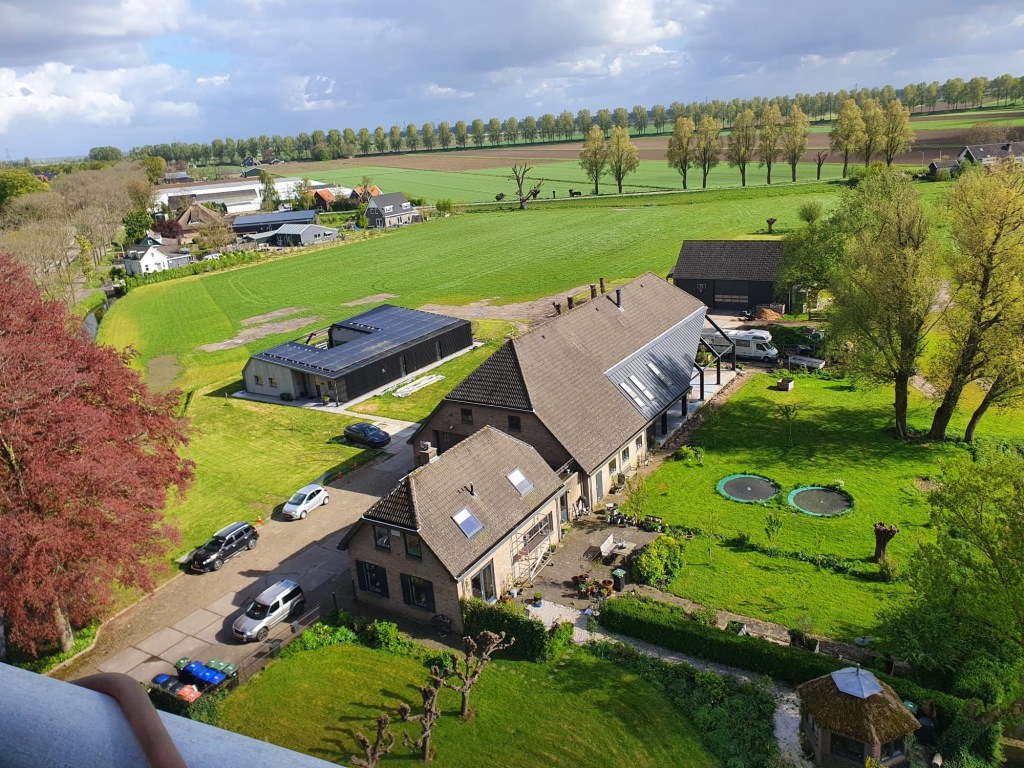
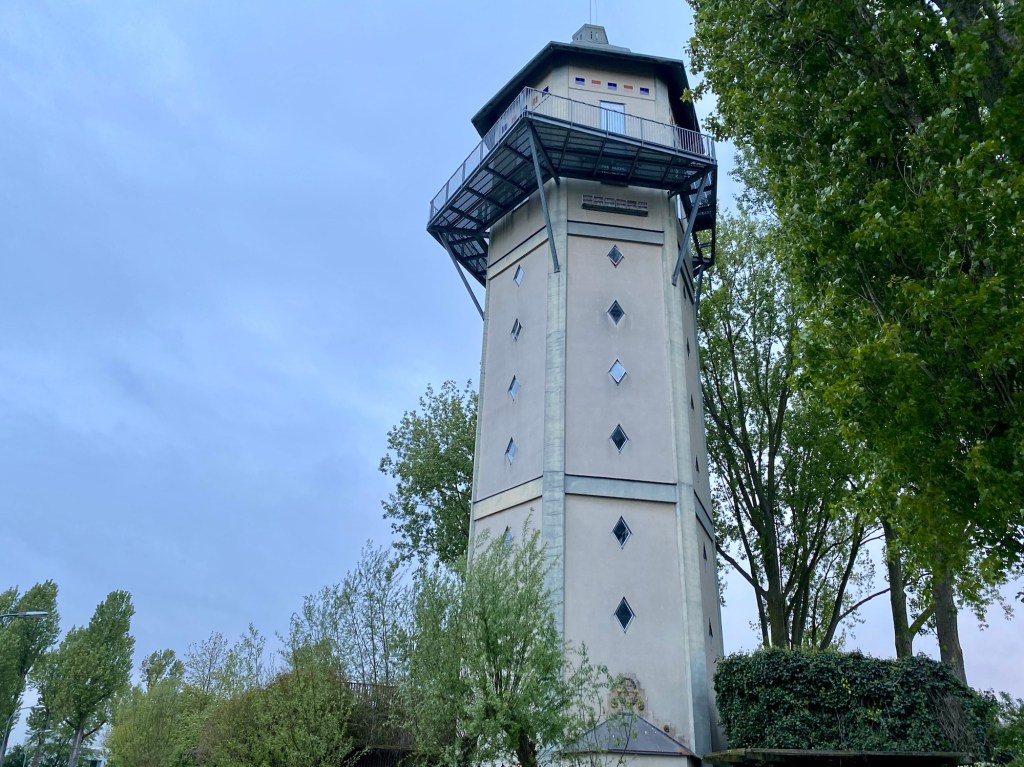
And, as a special treat, here’s the view from the top of the water tower we currently call home. Thanks to Ken who was brave enough to venture out on the iron platform around the 7th floor.

When life gives you lemons..

…make lemonade. And that’s what we did, metaphorically speaking.

Today, our plan was to travel to Dordrecht via the Glider Collection at Wolfheze but it has changed its opening hours and we faced the challenge of what to do.

With a bit of research, we agreed a day of culture in Den Haag as a suitable replacement and, if lucky, we might get to the seaside.

Google, bless it, identified suitable parking a couple of miles outside the city. Underground parking, with bikes on the car, is not to be attempted under any circumstances. It’s a horror of tight turns and narrow spaces and only above ground parking will do.

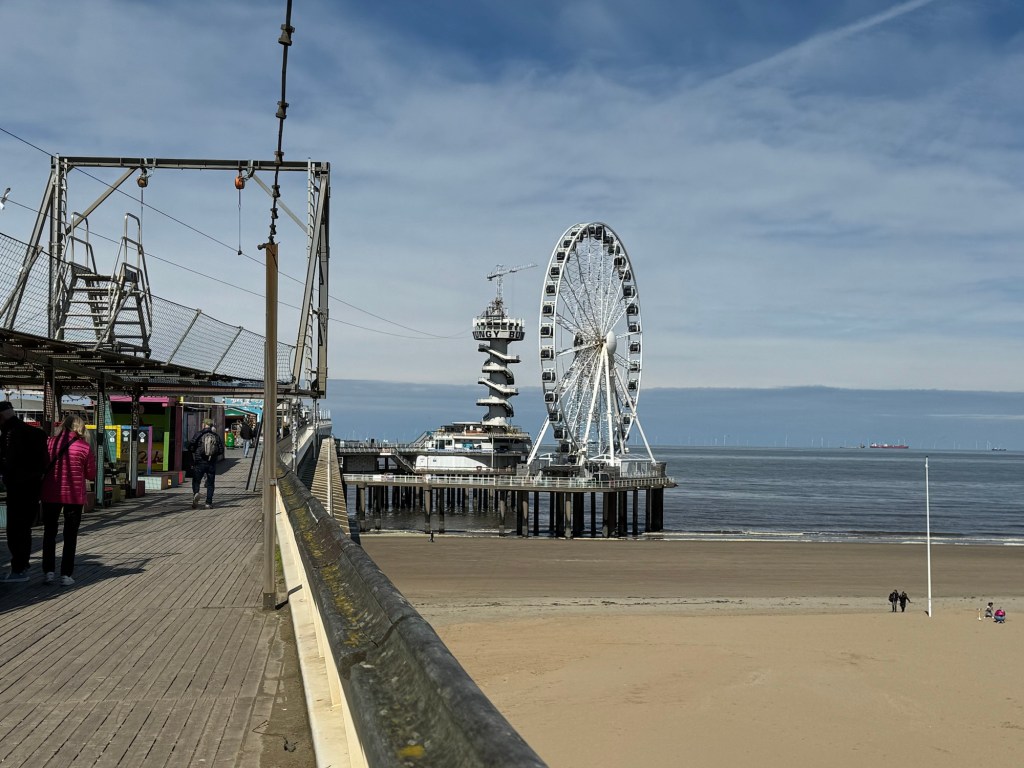
Vicky Parking at Madurodam welcomed us, not the leafy forest car park Kim was expecting but visitor parking for a miniature world theme park. Further consultation with Google, told us the beach at Scheveningen was only a couple of miles away and the sun was out so that’s where we cycled to.

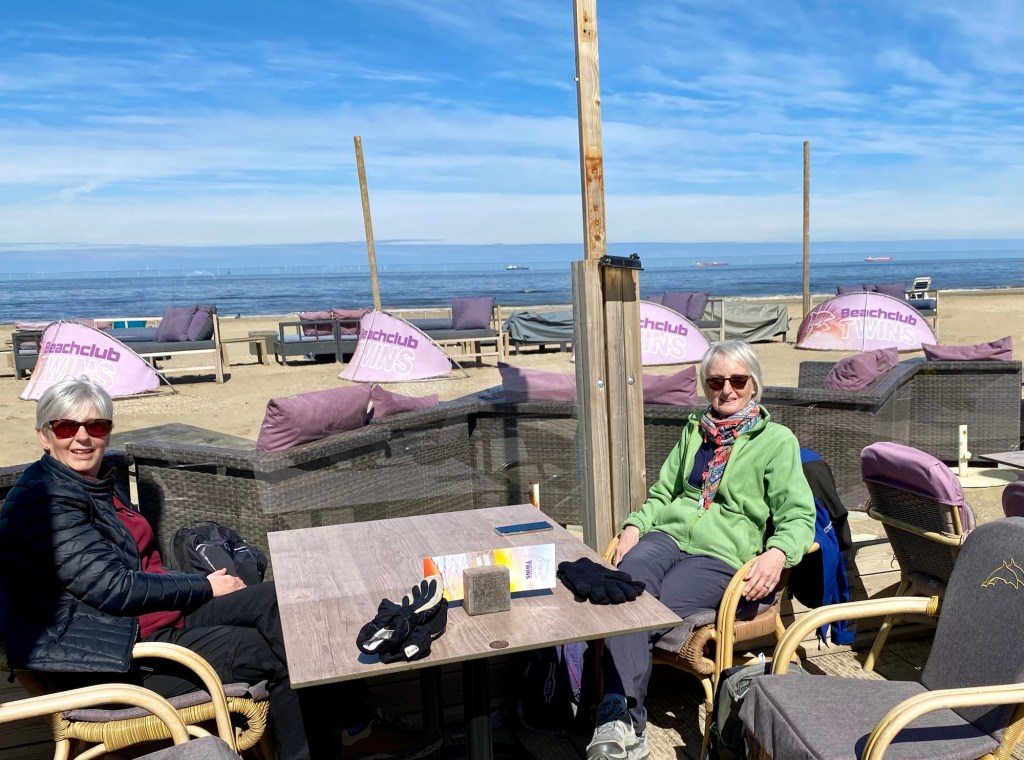
It was cold and coffee in a sheltered beach side restaurant was a joy, we basked in the protective warmth and enjoyed our surroundings

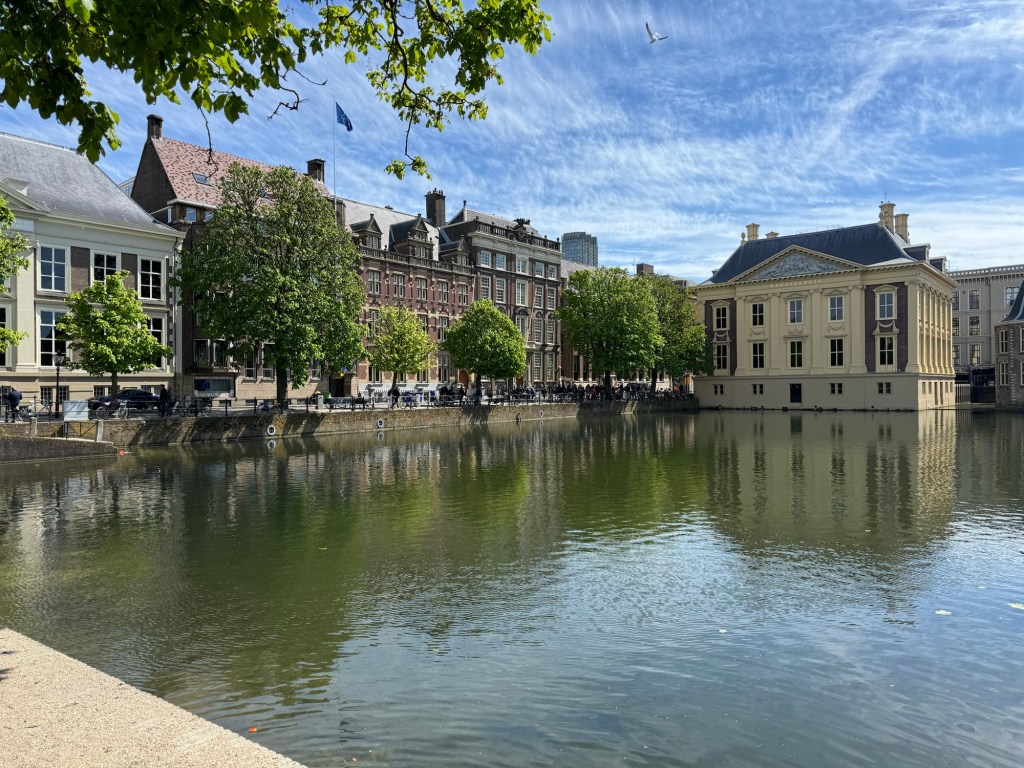
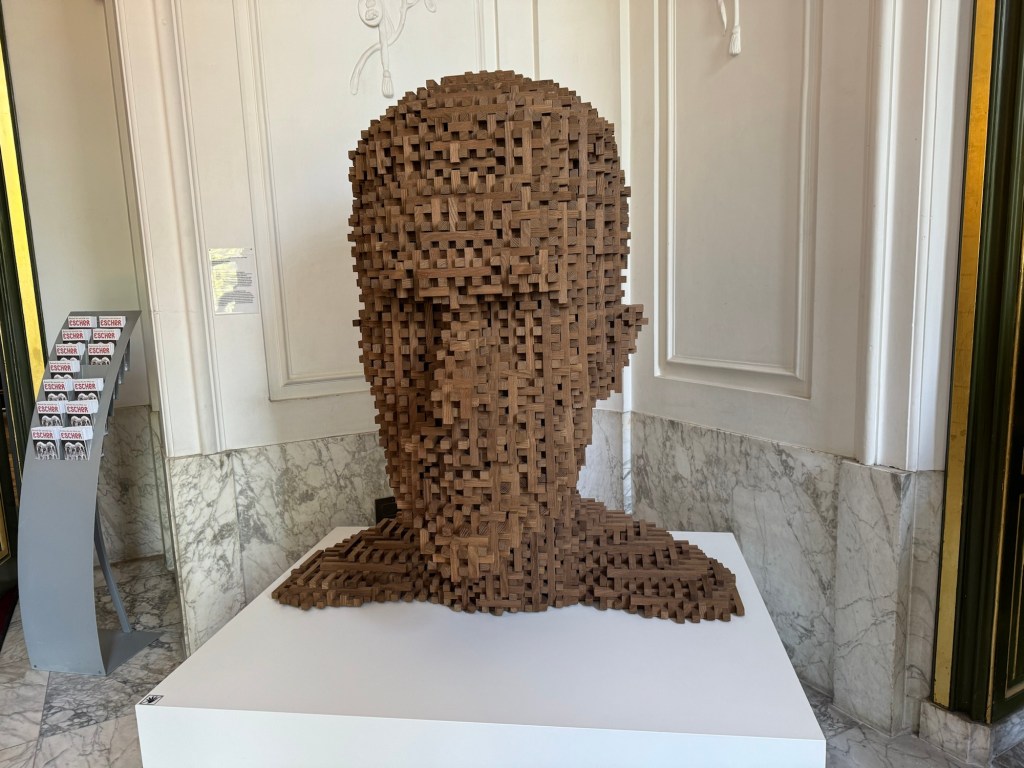
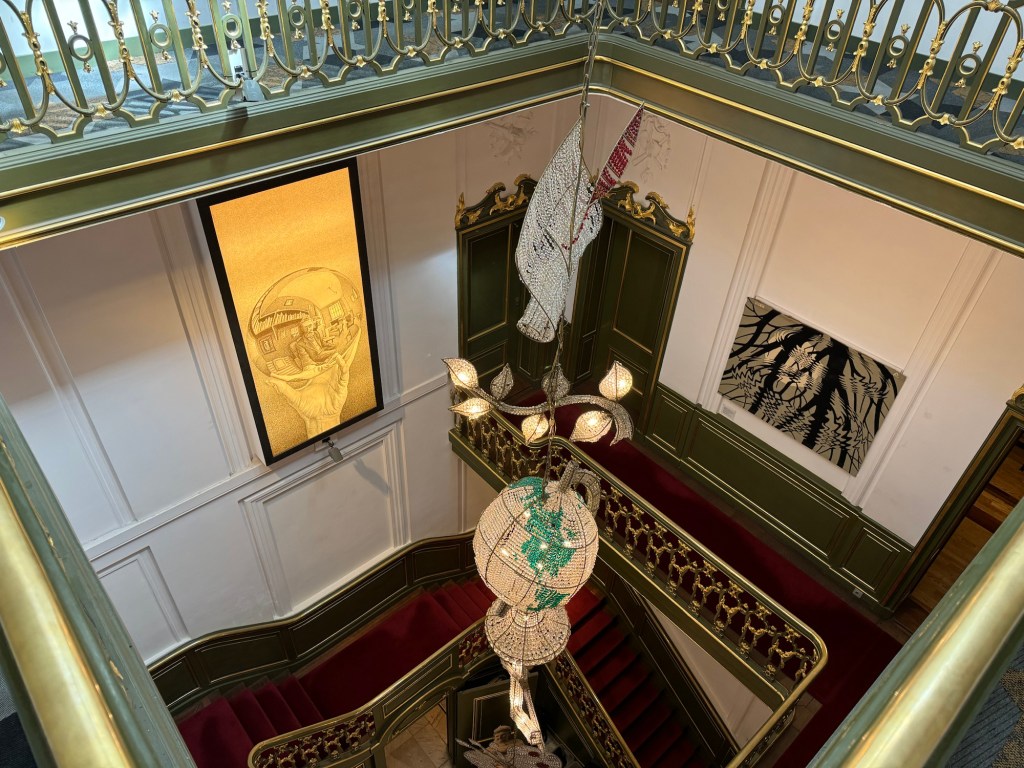
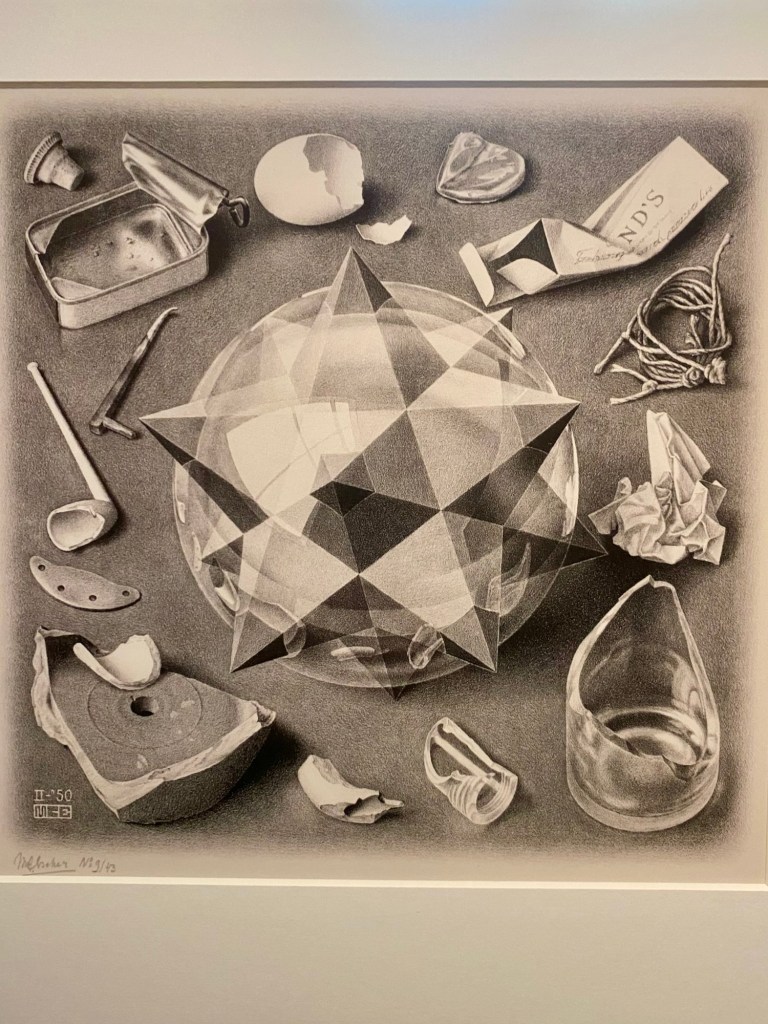
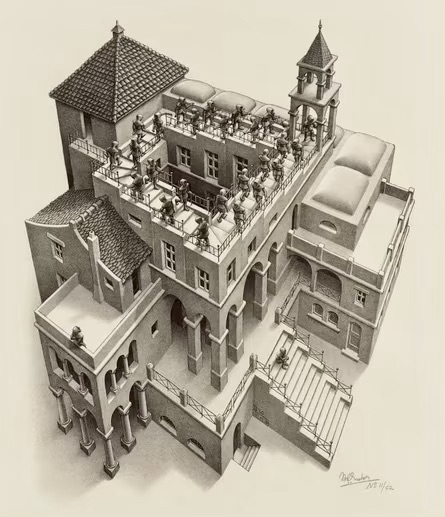
Next stop, the museum district in Den Haag and ‘Escher in het paleis’. The former royal palace of the Queen Mother has housed the M C Escher exhibition since 2010 and what an amazing exhibition it was. The history of Escher and his fascination with tessellation and perspective, translated onto woodcuts and linocuts was astonishing. The Queen Mother’s home together with its chandeliers was fairly spectacular too.

Finally, it was time to hit the road for our next hotel on the outskirts of Dordrecht. We hoped to be ahead of the traffic but it was awful, almost like being at home. Such a contrast to how easy our cycling had been.

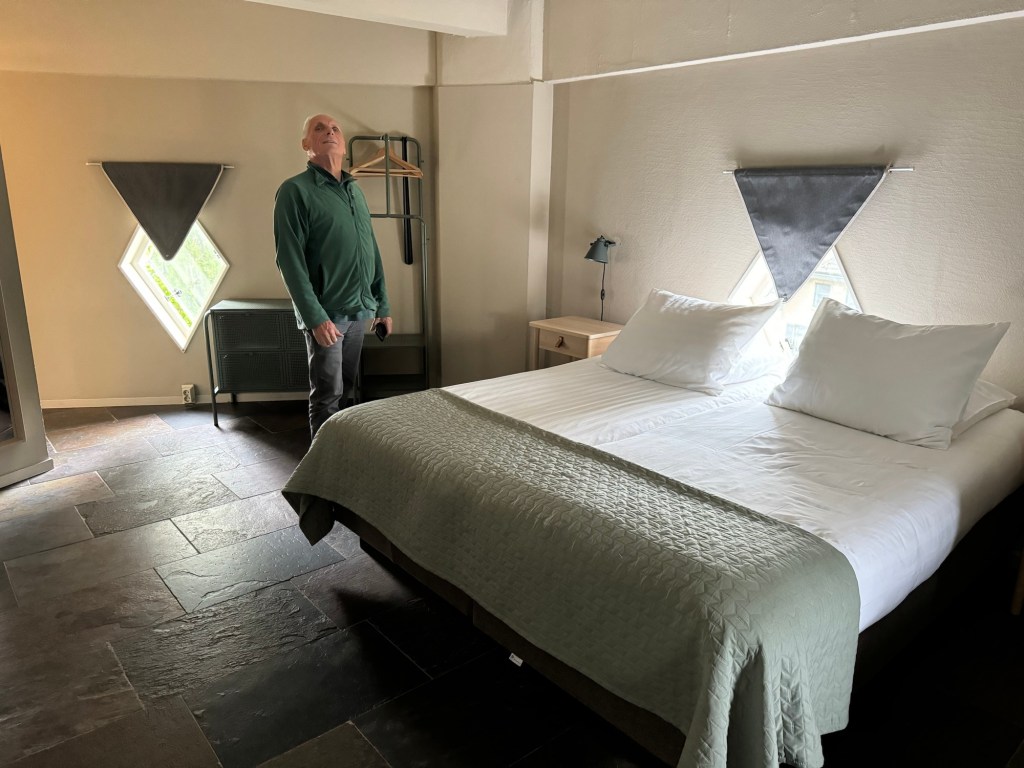
Our next four nights are in a converted water tower on the outskirts of Dordrecht. Luckily it has a lift, there was panic at the thought of carrying cases up seven flights of stairs.. Since we’ve been away, there has been a lot of talk about the best way to pose for photos and John has put all this new knowledge to good use……

This time last year…

John’s phone reminded us that on this day last year we were in shorts and t-shirts, walking the Catalan coast under a cloudless blue sky. In contrast this year we are bundled up in four layers, complete with woolly hats and gloves.

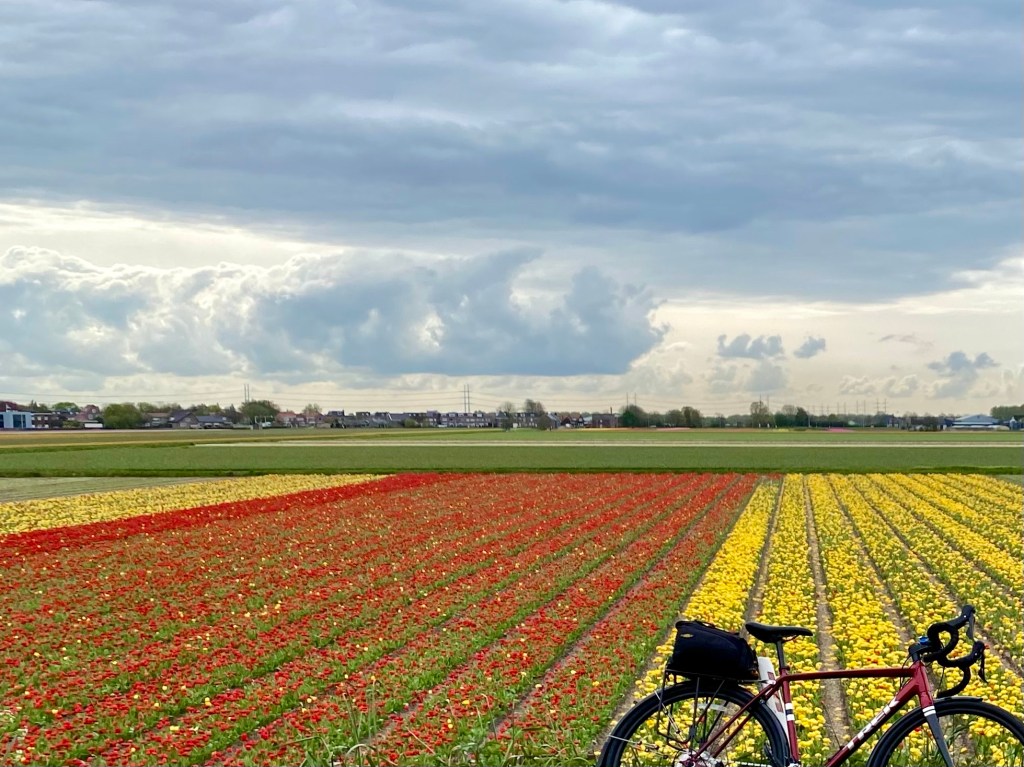
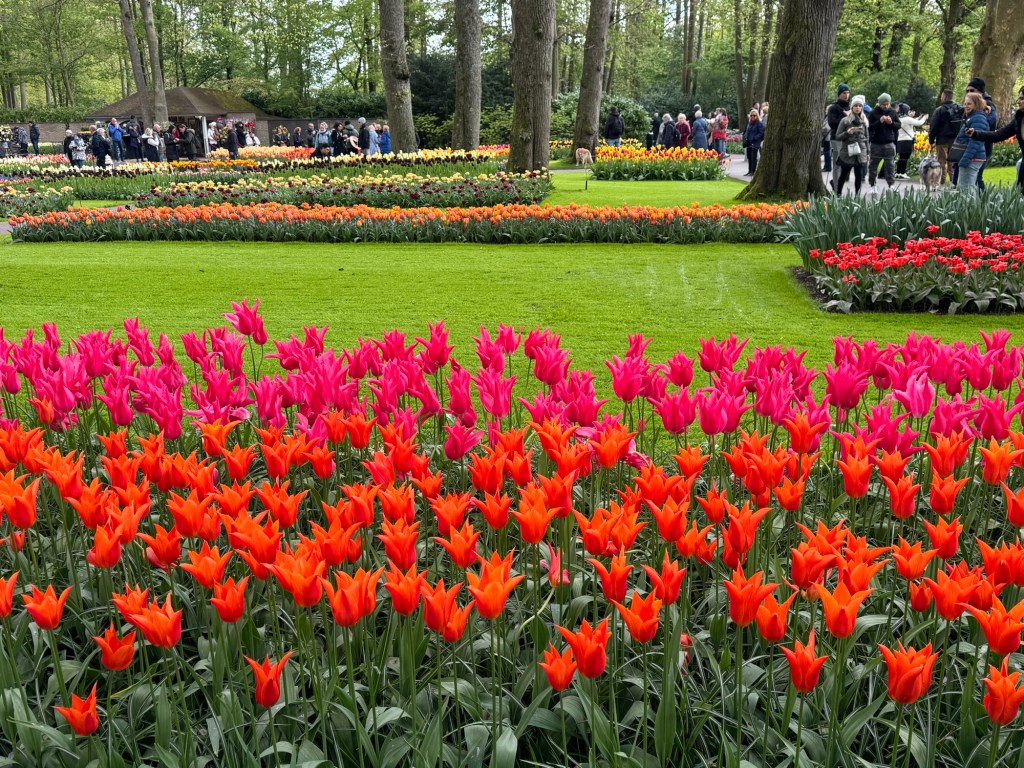
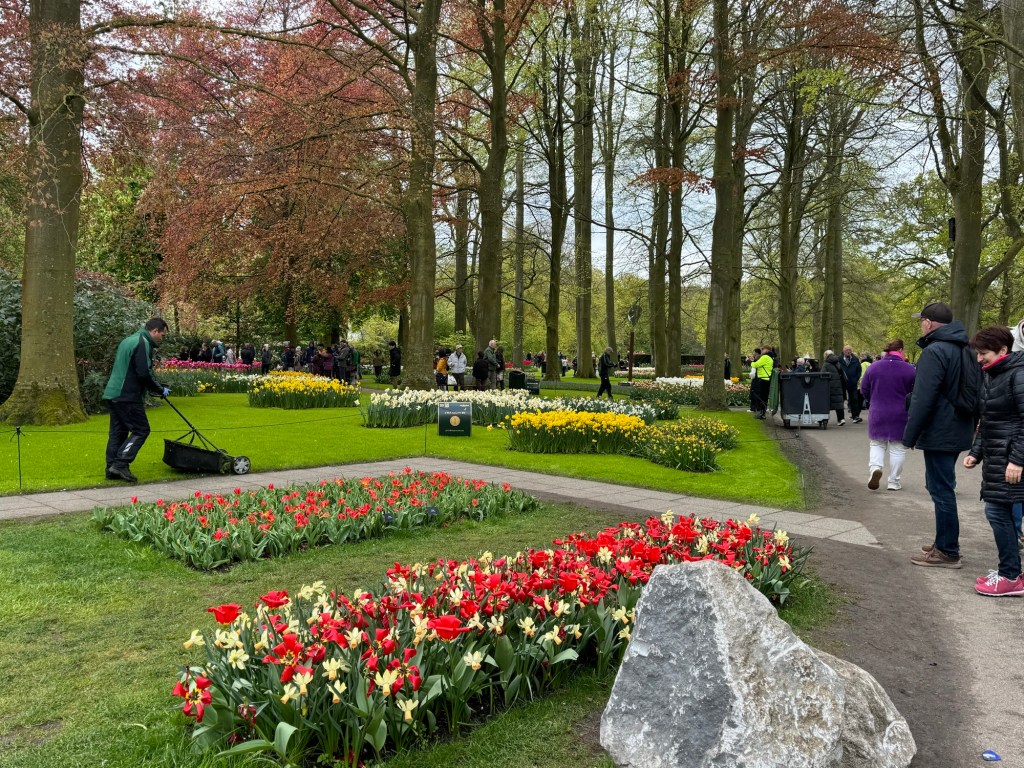
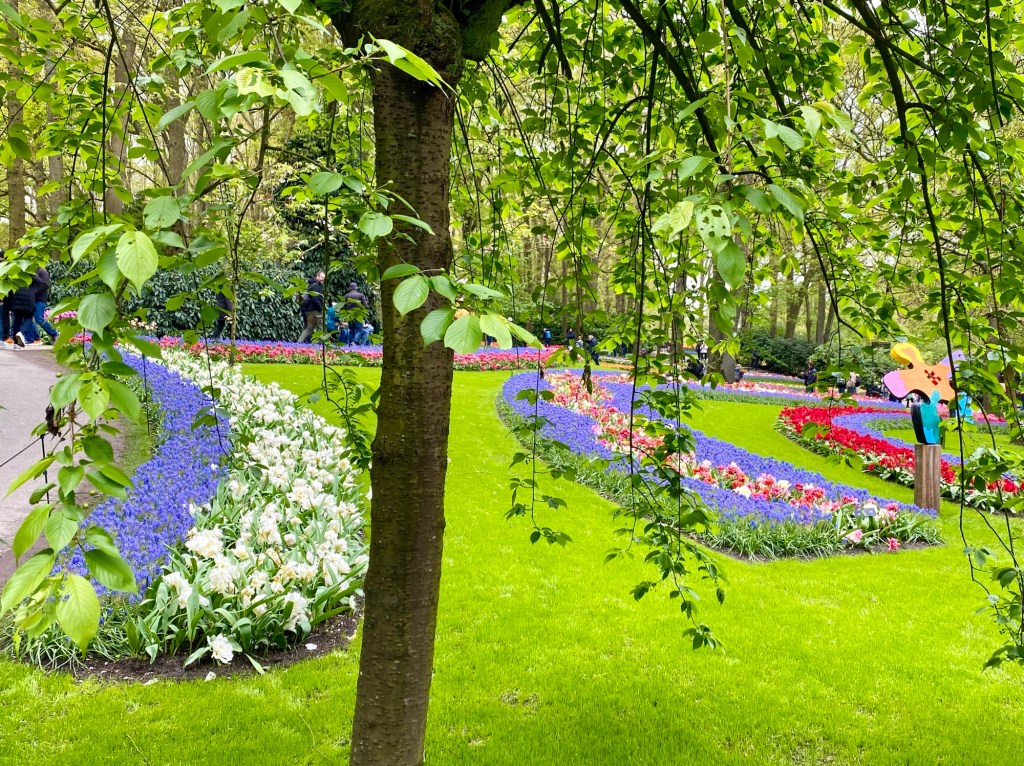
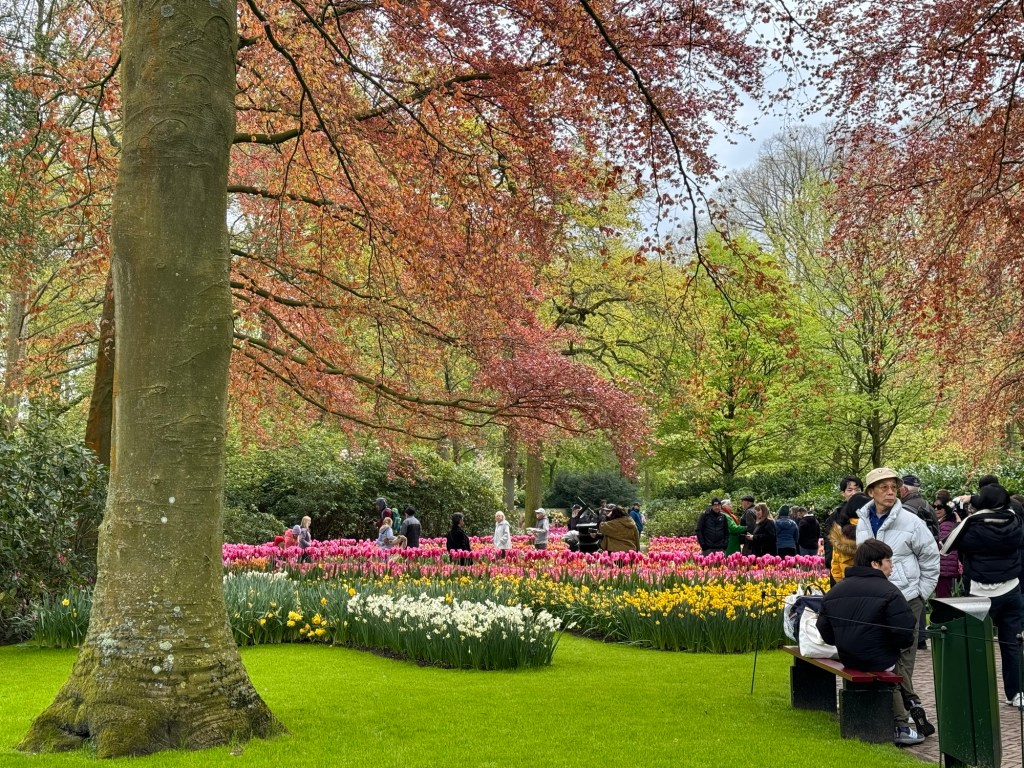
Today we re-visited the Keukenhof. There was a lovely ride from Niuew Vennop, on dedicated cycle routes, passing some amazing houses and through the numerous tulip fields.

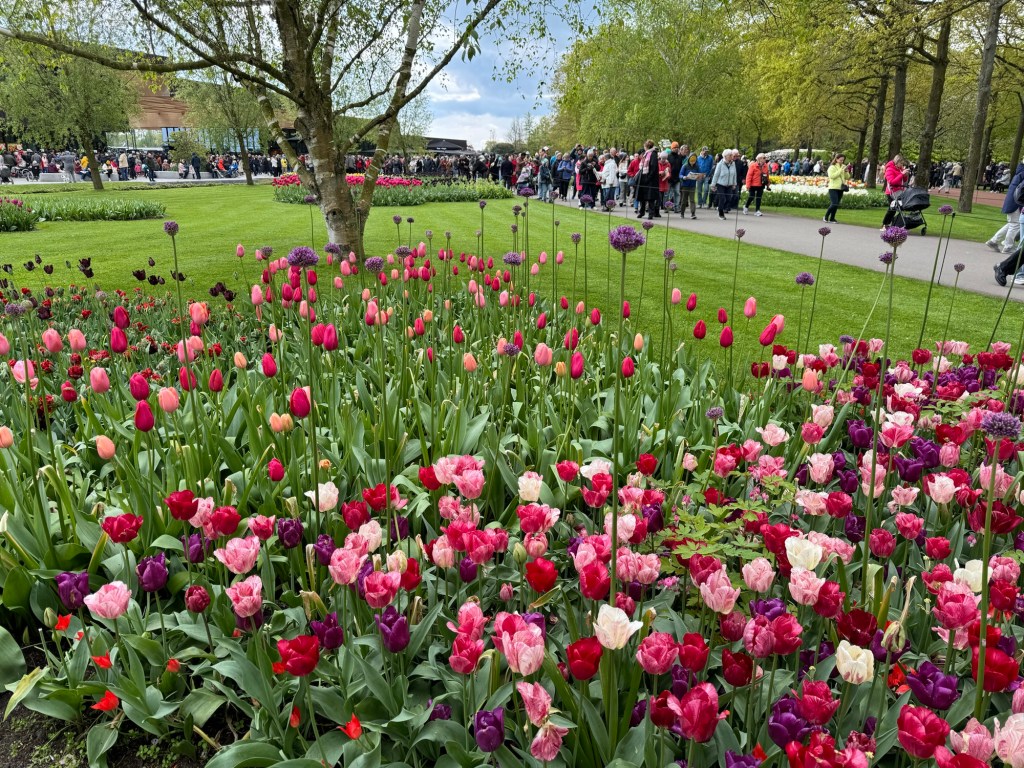
We made the mistake of booking morning tickets, completely forgetting the best time to visit, was early afternoon after the coach parties had gone. The place was heaving and it took a while to get used to how incredibly busy it was.

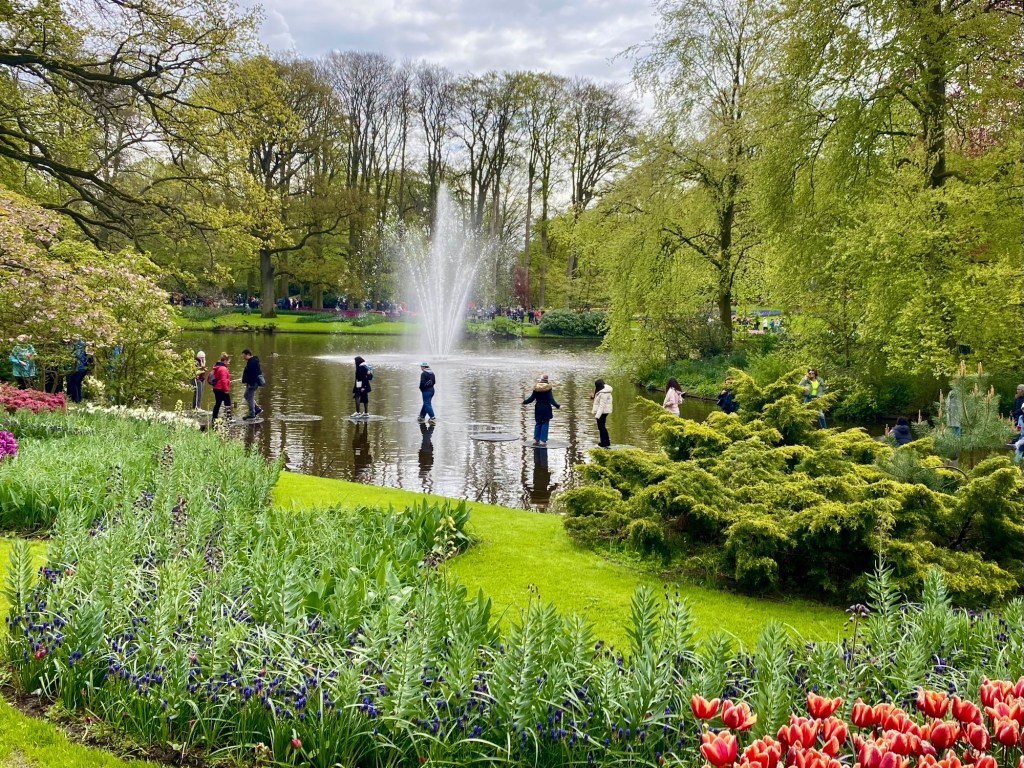
The displays were amazing, certainly there was more colour than our previous trip in March 2022 and we’ll let the photos speak for themselves.

We left mid afternoon for a coffee stop in Lisse, before heading back to our hotel. The park may have been full of people but that was nothing compared to the traffic jams outside. Cars were queuing to get into and out of the park, were we feeling smug as we cycled past them? Of course we were! And became even smugger when we left Lisse during the school run. Cars in traffic jams weren’t a problem but don’t ever try and take on a Dutch schoolchild on a bike, they are fast and fearless.

Our quote of the day? We offered to take a group photo for a group of young women. “Thank you but no. More people, less tulips’ was the reply which rather summed up our day. There were far more tulips to see, a shame about those pesky people in the way.

From cheese to the Mille Miglia

At 5:30, Stena Line woke us to the piped sound of Bobby McFerrin singing ‘Don’t Worry Be Happy’ accompanied by torrential rain and a rolling boat. Luckily, the worst was over and, as we exited customs, the sun appeared. We may have said this before, but it bears repeating – despite the early start, this is a very friendly and efficient route to access Europe.

Tonight’s hotel was only a couple of hours away so we had a mid way stop in Gouda to visit the Cheese Experience. Having misjudged our timings, we found ourselves in a cafe killing time with a cuppa and late breakfast. Traditional Dutch breakfast apparently consists largely of cheese and ham served on a dark bread and, according to the cafe owner, they serve exactly the same meal at lunchtime but pop it under the grill to melt the cheese.

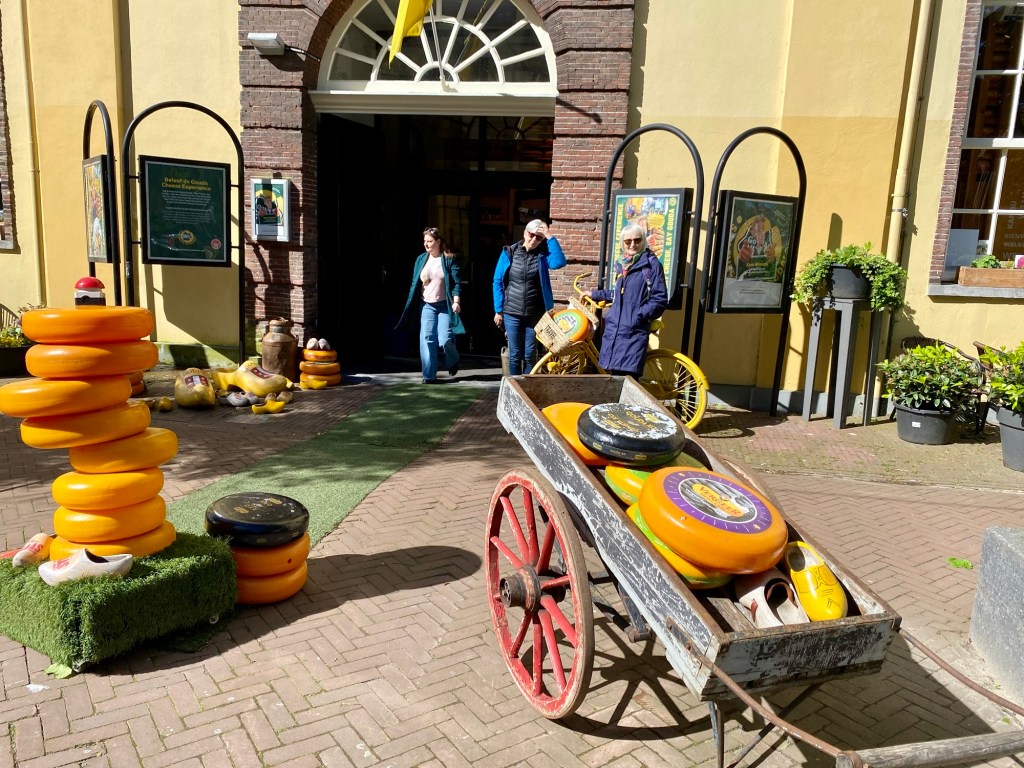
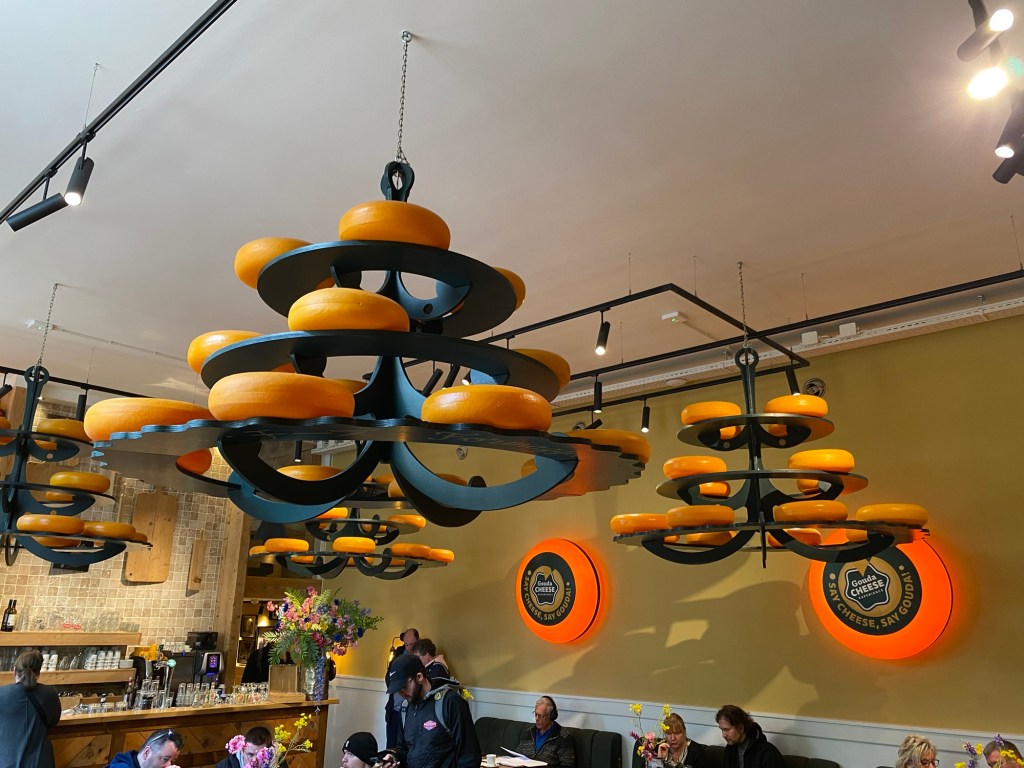
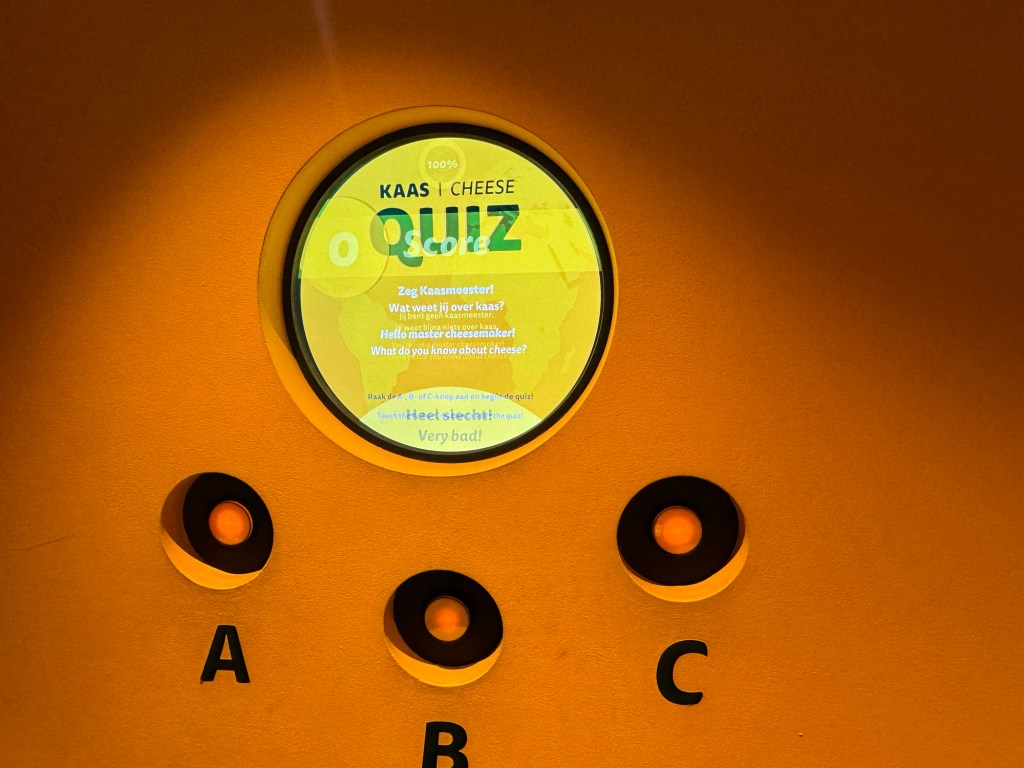
Despite the spring sunshine, the wind is bitterly cold. Today was not a day for sauntering and enjoying local history, but one for a brisk walk to our destination. The Gouda Cheese Experience is exactly what it claims to be. We were met by cheery, friendly staff, handed a clipboard with a quiz and challenged to become a Cheese Master. More difficult than you’d imagine when the quiz was aimed at children and the answers scattered around the site. But, should you ever find yourselves on a quiz show with a question about Gouda, we’re your ‘phone a friend’.

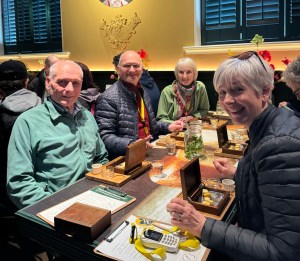
Our experience finished with a cheese tasting session, we dutifully tried different types and ages of Gouda, then miraculously, the door opened and we were able to leave – visitors are controlled, from room to room, by locked doors.

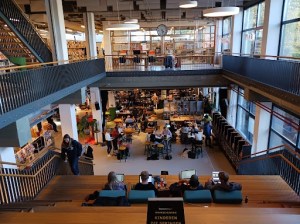
We returned to the car via the Museumhaven and a cuppa in an old chocolate factory, converted into a modern library, cafe and community workspace. Once more we were greeted by polite, friendly staff and all agreed we wanted to be Dutch and live in Holland.

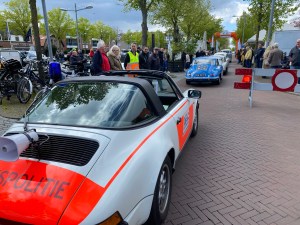
Next stop, Hotel De Rustende Jäger in Nieuw-Vennep. Less than an hour from Gouda on beautifully maintained roads, through pretty villages with wide vistas across fields. All was going well until we saw crowds of people and cones closing the road outside our hotel. It was all rather alarming until we noticed the cars. The hotel hosts the start and finish of the annual Venniper Koninginnerit rally. Starting in 2000 as a modest classic rally it has built a strong reputation, now attracting the attention of serious classic rally drivers, more used to the challenges of the Mille Miglia. Someone was in petrol head heaven…..

Finally, our worrying fact of the day is…… Gouda is no longer protected by a wax covering but sprayed with plastic coating instead….

2024 starts here…

…. and we are waiting to board a ferry to Holland. We haven’t been away since June 2023 and we’re ready for an adventure.

The bikes are securely attached to the back of the car, Ken and Jacky checked in ahead of us and we are set for a return visit to see tulips at Kuekenhof followed by a few days in Dordrecht which, allegedly, is the oldest city in The Netherlands. We might need to research that, although it won’t the first time we’ve given you fake facts and not worried about it.

We haven’t been on our bikes in weeks and our itinerary includes couple of long rides, the weather looks cold and wet but it feels good to be in a queue at Harwich.

Final thoughts from The Netherlands or Everything we forgot..

There is no excuse for forgetfulness, our days felt quite leisurely. There were no early starts, we lingered over coffee and felt no pressure to pack a lot in, it’s been quite relaxing

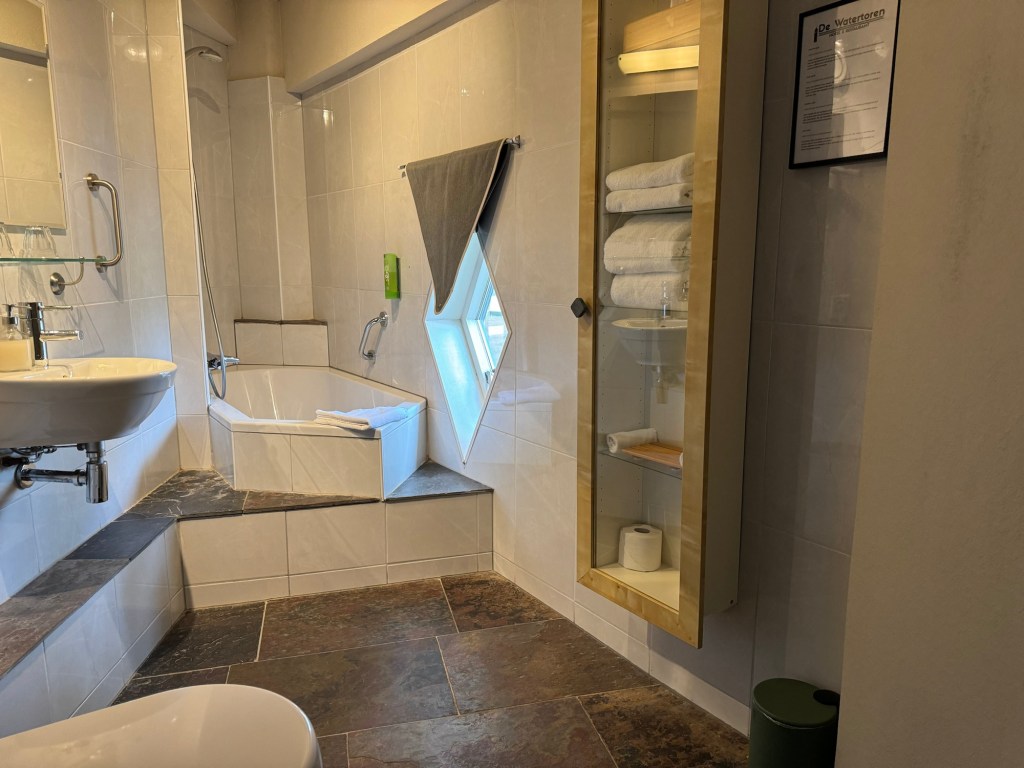
So, we now need to tell you more about De Watertown in Dordrecht. It was a beautifully converted water tower with spacious airy rooms. The only problem was, if you would like privacy in the bathroom, it was a walk down two flights of metal, spiral stairs to a toilet with a door. We spent hours wondering why the bathroom wall was only 4 feet high and had no door. Our room was on the second floor and, anywhere in the bathroom, you were visible from at least two windows.

In our constant quest to do things so you don’t have to, we tried very hard to book a Cannabis tour in Rotterdam. It sounded fun until we realised we weren’t their target audience. Did we need to know how to choose the best hashish, avoid overpaying and get to test different varieties? Not if we wanted to return to Dordrecht, safely, on a train.

Merci, M. Boursot

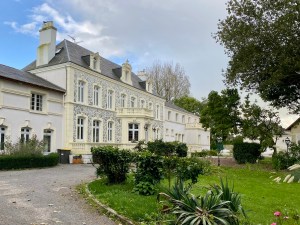
It’s our 29th wedding anniversary and so we went out for dinner. We left home at 5am on Saturday to catch Le Shuttle to France and spend the night at the Chateau des Tourelles in Le Wast, about 30 minutes south of Calais.

We had booked a meal, wine pairing and talk, hosted by Guy Boursot of Boursot’s Wine Collection based in Ardres. We discovered Boursot’s last year and, my goodness, he sells some lovely wines at very reasonable prices. We had signed up to the newsletter and fate was telling us to be adventurous when the October event fell on our wedding anniversary.

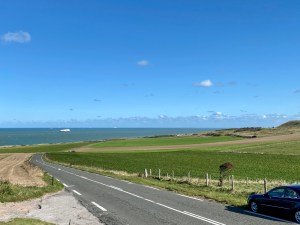
We arrived mid morning and took our time driving to Le Wast. We usually head for a motorway and a distant destination. This was our first experience of the fabulous coast road from Calais to Boulogne and it is beautiful and very reminiscent of Devon and Cornwall.

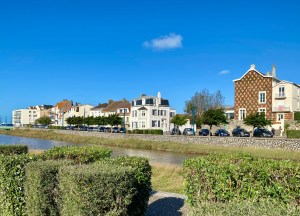
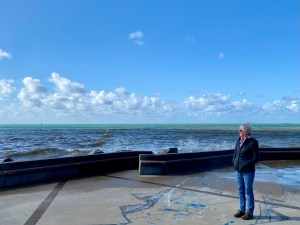
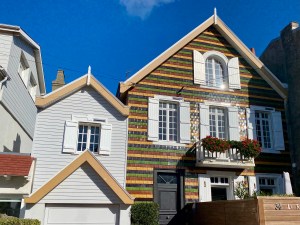
Our first stop was Wimereux, we admired interesting architecture and braved a bracing walk along the esplanade. The town was an important medical centre in World War I and Colonel John McCrae, famous for the poem ‘In Flanders Fields’ served and died there – we aim to educate!

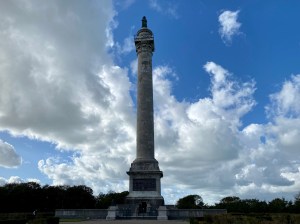
Obligatory Supermarket stop was next, closely followed by a detour into Wimille. It is home to the Column of the Grand Armee, a 53m high column with a statue of Napoleon perched on top. The column was intended to celebrate Napoleon’s successful invasion of England, sadly for Napoleon he was a little over ambitious and instead it now celebrates the first award of Imperial Legion d’honneur medals.

On to our dinner, we were a little apprehensive wondering what sort of people attend a four course dinner with wine pairings. We are not wine buffs and John is rather particular about food. He was seriously alarmed at a starter of Langoustines followed by duck cooked properly rather than his preferred burned to a crisp. We needn’t have worried, everyone was so friendly and, quite frankly, by the middle of the evening fairly drunk or asleep at the table.

We ate too much, drank too much and were relieved to get to bed about midnight.

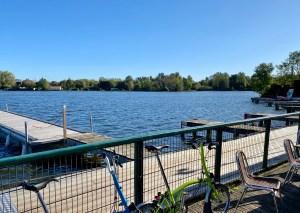
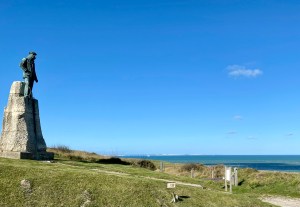
Today was a leisurely drive home, but first a chance to explore Ardres on our bikes. The lakes on the outskirts of town provided some lovely scenery and a stop for a cuppa. our route back to Calais retraced our coastal drive where there was a brief stop to admire the statue of Hubert Latham, he was the first person to attempt to cross the channel in an aeroplane.