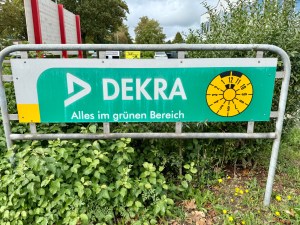
DEKRA’s Promise…

…..is to ensure the safety of human interaction with technology and the environment…. or, as we discovered, provide numpty tourists with clean air stickers for their cars. Luckily we only had a small detour to find these virtuous people.
We try really hard to move on from Brexit but it just keeps on giving. As non EU citizens, arriving in The Netherlands, it took 2 hours to negotiate Border Control. We practised resolve and patience while pondering the 8 hour drive ahead of us.

Having programmed the Sat-Nav while waiting to have our fingerprints taken, it promptly told us we needed ‘permits’. There were alarmed looks, and after much Googling, discovered the car needed an Umweltplakette (or Green Sticker) to visit Stuttgart. We didn’t fancy the idea of a hefty fine, hence our detour to seek assistance from DEKRA who were very helpful even though it was their lunch break.

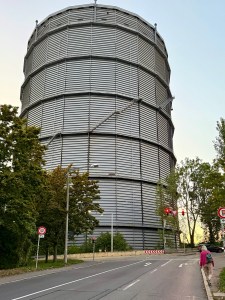
We are spending the night in a hotel on a very busy road opposite Stuttgart’s decommissioned gas holder. Built in 1949 and over 100m tall it is quite a presence on a busy intersection. And can anyone tell us the meaning of the graffiti?

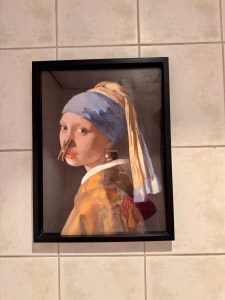
Back in May, we refused to pay €45 to see The Girl With The Pearl Earring in The Hague, today for less than €1, Kim was able to admire her at last…
Final thoughts from ‘Ladies in Lisbon’

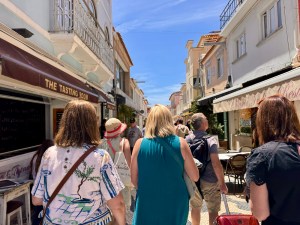
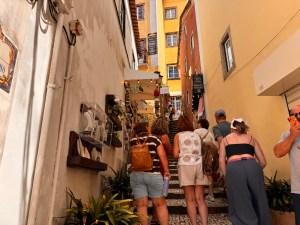
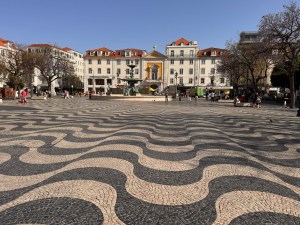
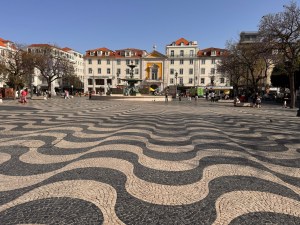
Lisbon was surprisingly grubby, a shame when the art of Portuguese paving is one of Lisbon’s greatest attractions. It would be well worth a return trip just to walk the paving route. This example, despite being totally flat, was a challenge on our first day.

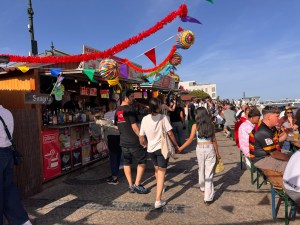
Sometimes it’s worth paying attention to articles you read, Lisbon is definitely very hilly and June is festival season. For two of our three nights, there was a street party outside our apartment and it was a real taste of residential Lisbon. Locals socialising, drinking and dancing into the night was a real joy to see – until it was too noisy for us to sleep! Perhaps May would be a better choice.

Apart from Sintra, we’d planned to spend all our time in Lisbon which turned into a fantastic base to explore surrounding areas. Sintra and Cascais have more to offer, in fact a few days in Cascais would be a beautiful break – pack a swimming costume.

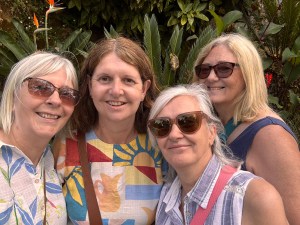
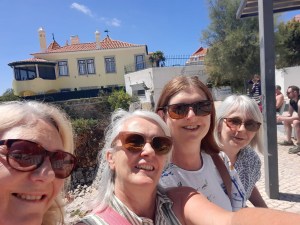
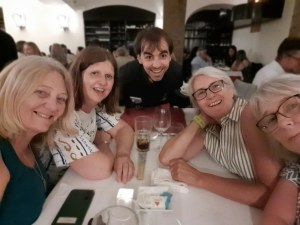
A lot of time was spent relaxing, chatting and playing cards – the privilege of old friends enjoying each other’s company. Thank you to Liz, Ro and Viv for being you.

Um dia à beira-mar

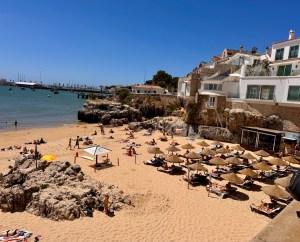
Yesterday, and on the recommendation of our Sintra taxi driver, we took the train to Cascais and feel very smug about our mastery of the public transport system. To quote a meercat, ‘it was simples’.

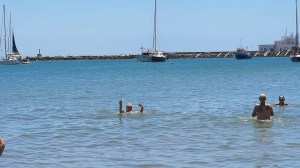
The train took us along the river, out to the coast and we had the loveliest day in the sunshine. Viv, an enthusiastic swimmer, was soon stripped down to her underwear and in the sea. The rest of us looked on with admiration as we paddled and declared our feet were cold.

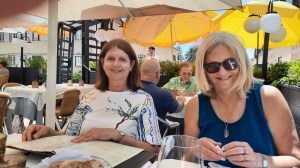
We lingered over lunch and played cards in the sunshine – find a table and Viv can be relied upon to produce a card game to keep us entertained. Luckily our table was discreet and underwear was surreptitiously dried without embarrassment. At least, that’s what we told ourselves.

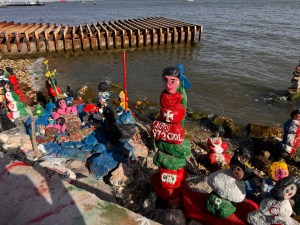
Back in Lisbon, we walked along Ribiera de Naus where it was party time. Live music and food stalls lined our riverside walk before reaching the painted stone sculptures at the edge of the Tagus. An ever-changing outdoor gallery built from balanced stones, highlighted with spray paint and nail polish, and carrying messages of respect. They frequently wash away or collapse with the tide and wind, only for the local artists, Miro and Pedro, to rebuild and repaint.

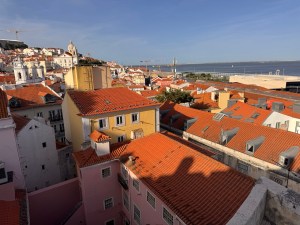
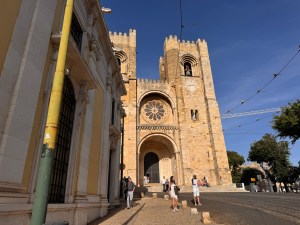
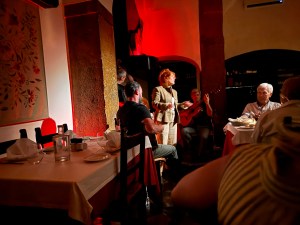
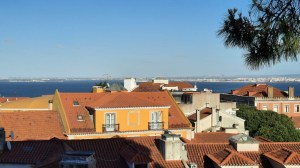
A short, uphill trek, past the Cathedral, and we reached the rooftop bar of the Hotel Memmo with views across the city and river. It was a beautiful setting to enjoy Porto tonico cocktails before the final stop of the day, Club de Fado for dinner and a live show.

Back at our apartment, a street party was in full swing so four sleepy travellers played cards until it quietened down at 1am. There is not one morsel of food, or even a pint of milk, in the apartment. The local supermarket has been closed each time we’ve needed it, no midnight snacks or wine for us!

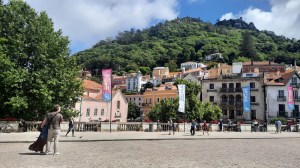
How can you miss a castle on a hill?

An early start yesterday, breakfast at 7:45 in the local Pasteleria before meeting our 8:30 Uber to Sintra.

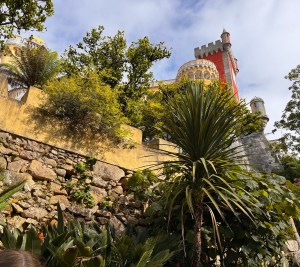
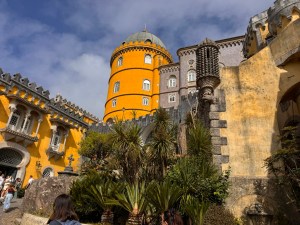
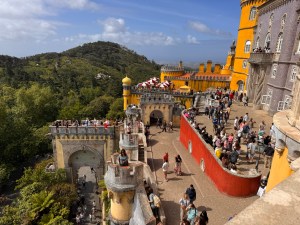
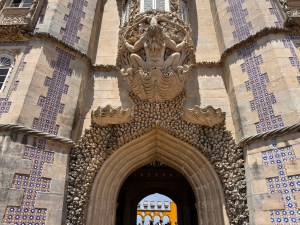
We joined the queue to the Palace de Pena, the most important example of romantic architecture in Portugal. In the mid nineteenth century King-Consort Ferdinand II added an entirely new palace to the 16th century monastery. He built it for his wife who sadly died before it was finished. Sitting at the top of a steep hill, the palace has far reaching views around Sintra and out to the sea.

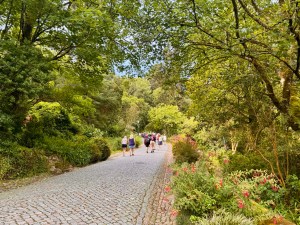
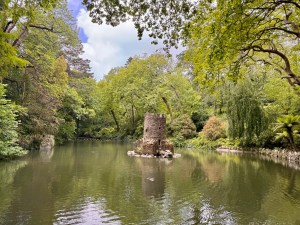
The palace site in an 85 hectare site with beautiful wooded walks around the hillside.

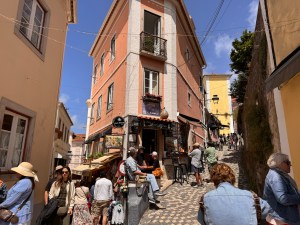
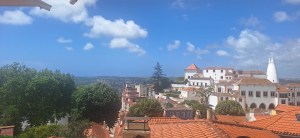
Another taxi took us into the old town of Sintra where we had lunch, in a restaurant recommended by our taxi driver, with amazing views over the historic town. We wandered down through some very pretty streets before picking up another Uber back to Lisbon. We certainly have the hang of the app and it’s been significantly cheaper than public transport alternatives.

Back in Lisbon, Castelo Sao Jorge was our next tourist destination. We became stuck in traffic and Google told us we had 500m to walk . Hmmm, it shouldn’t be so difficult to find a castle that can been seen across the city, our walk became longer and longer until, finally, we found it hiding behind an archway.

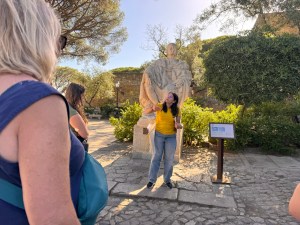
The castle’s history dates back to 600bc when the Phoenicians introduced Olive trees to Portugal. Fast forward to the 20th century, via Moors, Venetians, Visigoths, Crusaders and Romans – not necessarily in that order! It’s difficult to see what is part of the original medieval castle and more modern additions. The castle was severely damaged in the earthquake of 1755 and, since then, it has undergone many transformations. The most recent were mid 20th century and undertaken by the dictator, Antonio Salazar. We learned a lot from our free tour of the castle, our guide was excellent. By this time, all phones were almost flat so there are few photos, we were too worried about finding our way back to the apartment.

Dinner was in a local restaurant and involved a lot of cabbage – it was tasty, very good value and a most welcome end to a long day.

Ladies in Lisbon

Last year, BraysAbroad brought you ‘Pals in Porto’, you’ll never guess where we are this year!

Yesterday started with queue jumping Security at Luton Airport followed by all we could eat in the No 1 Lounge. We were well stocked up ahead of our flight

Lisbon was in the middle of a national strike and we’d worked out we could walk to our Airbnb, only an hour in 30 degrees! Luckily there were plenty of taxis.

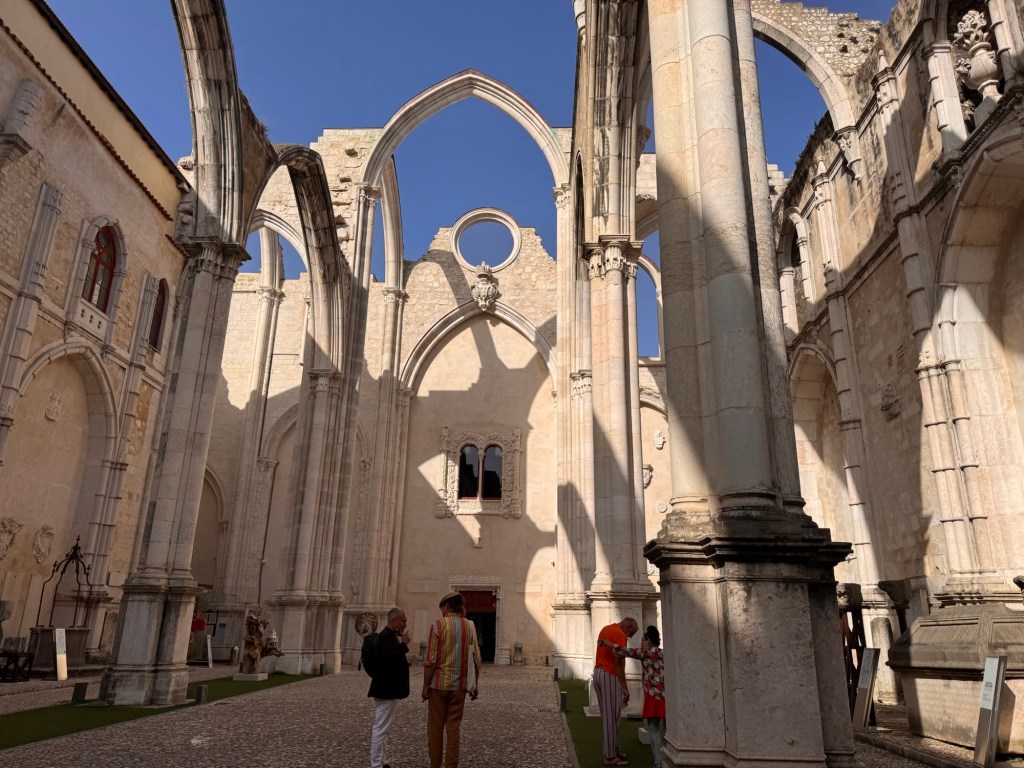
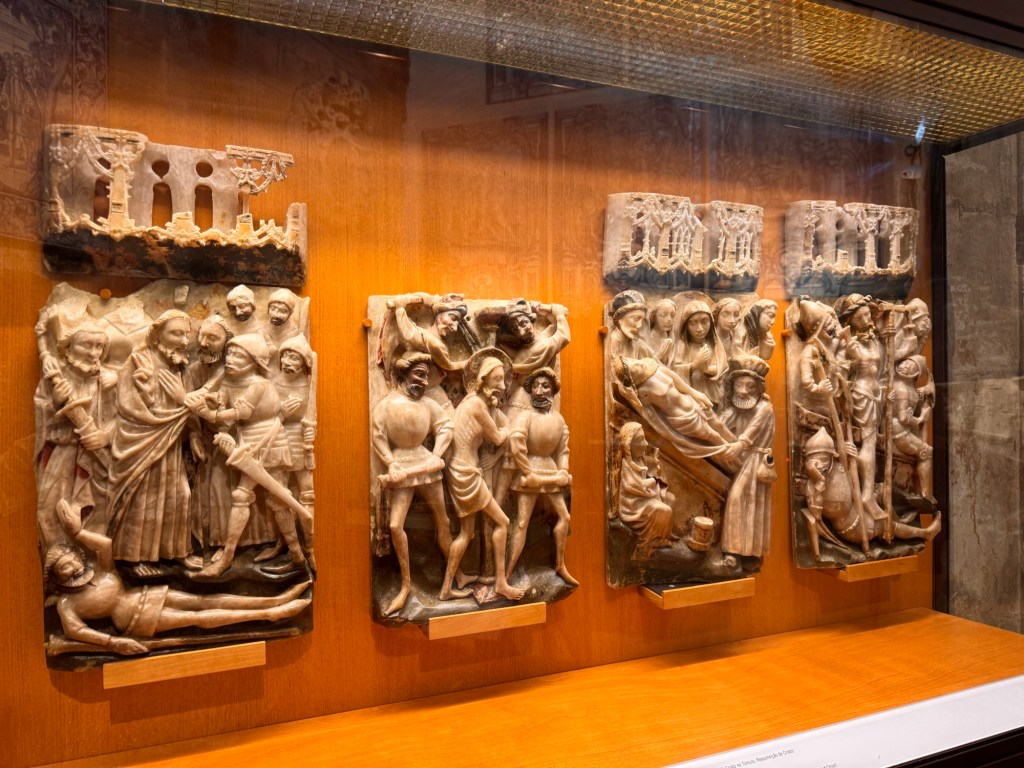
Our apartment is 20 minute into the city and our tourism started with a visit to the Carmo Archaeological Museum, a former convent dating back to the 14th century. It was the most powerful and richest religious site in Lisbon.

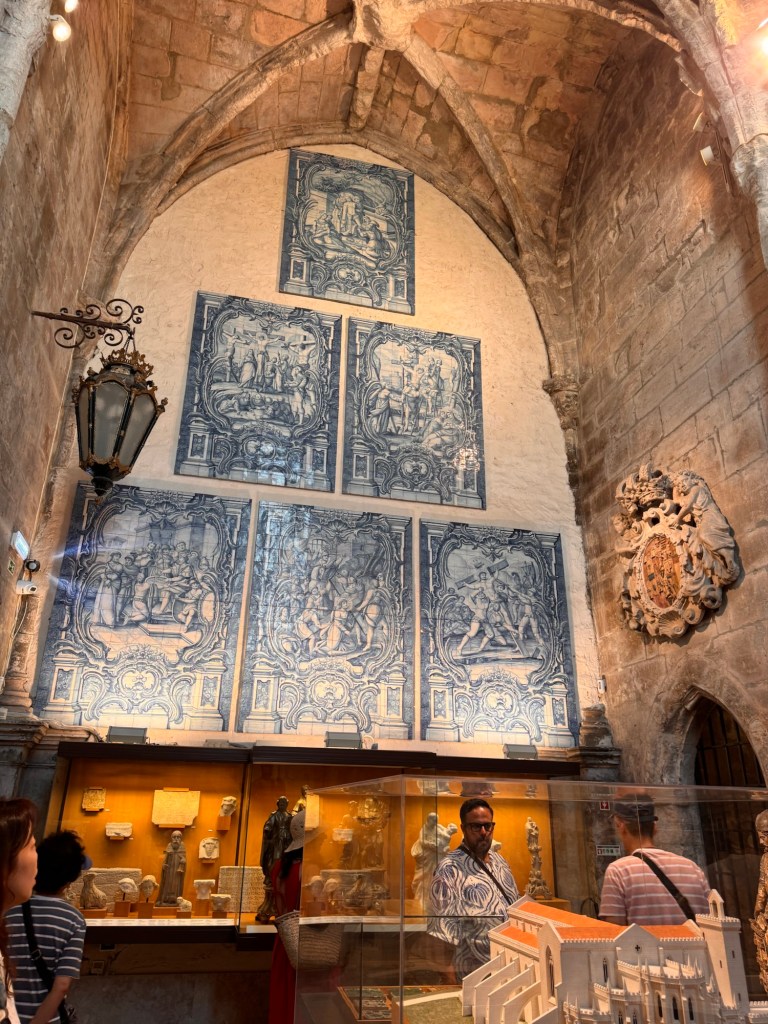
In the 18th century, an earthquake destroyed the roof and seriously damaged the building and, since 1834 holds an archaeological collection of, mainly, artefacts from abandoned monasteries and churches. Interestingly, it is home to four alabaster panels made in Nottingham in the 16th century.

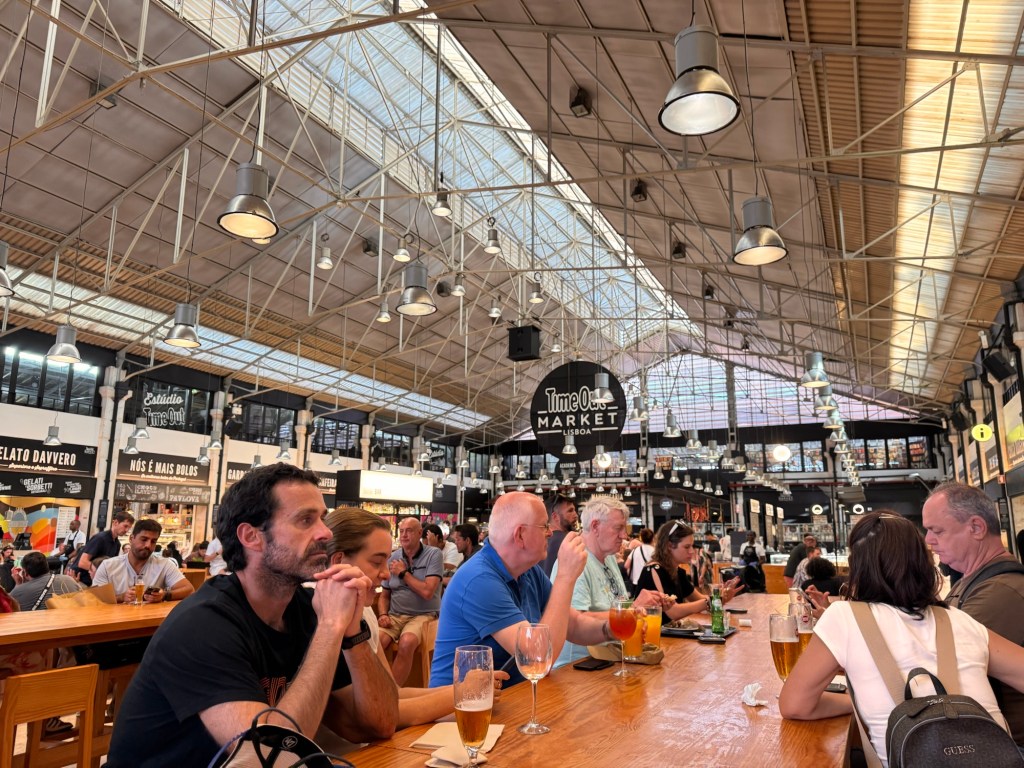
Dinner was eaten at the Time Out food hall, the first market opened under the Time Out banner. The choice was endless and the atmosphere fantastic

Finally, a long uphill walk back to apartment to find a street festival in full flow.

Unfinished business – Part 2

Today’s challenge – visit the Japanese Garden in Clingendael, Boursot Wine in Ardres and catch our booked Eurotunnel crossing.

It’s a relief to leave a hot hotel room. Regardless of the fan, it was an uncomfortable night and we will be writing a letter of complaint to James Dyson.

Last night we packed and were ready for an early start, only to find we couldn’t get in the carpark to retrieve our car. After trying all entrances, a trip back to the hotel was required and we were informed the access code had changed. Armed with a post it note containing a selection of options – they weren’t quite sure what the new code was – we recovered the car and were on our way.

Before we leave Leiden behind us, the Bee Totem for RefuBees is worth a mention. It’s just around the corner from our hotel and part of a project created by intervention artist Hans Kalliwoda. The totem is a work of art creating an ecosystem for wild bees in the city. Locals feed the central wormery with green waste and the worms feed the soil and plants which provide food and a home for the bees.

Our route to the Clingendael park took us past the Louwman Museum which holds the worlds oldest collection of private cars. We’d been talking about whether this part of Holland was worth a return visit and, unsurprisingly, the answer is yes.

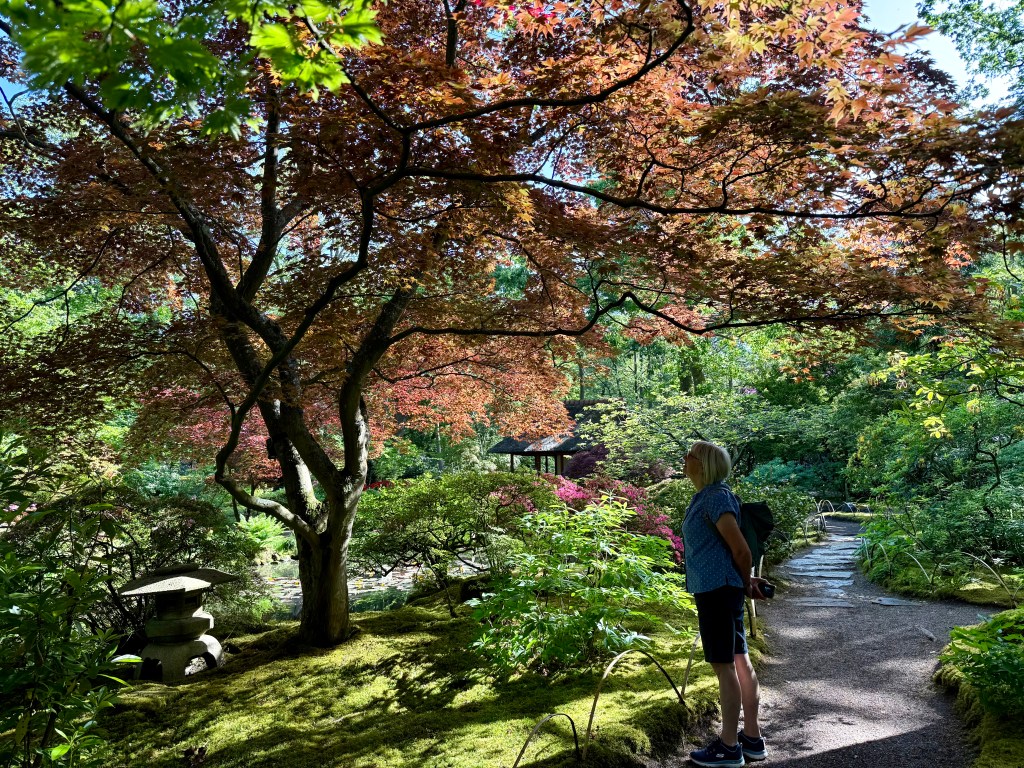
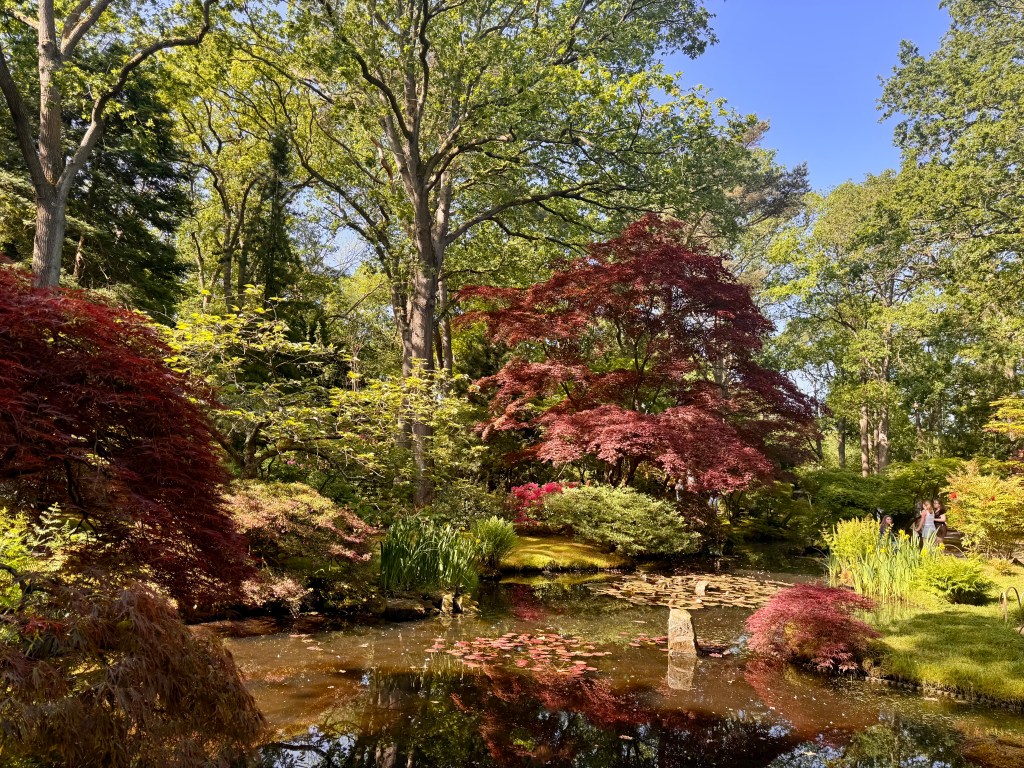
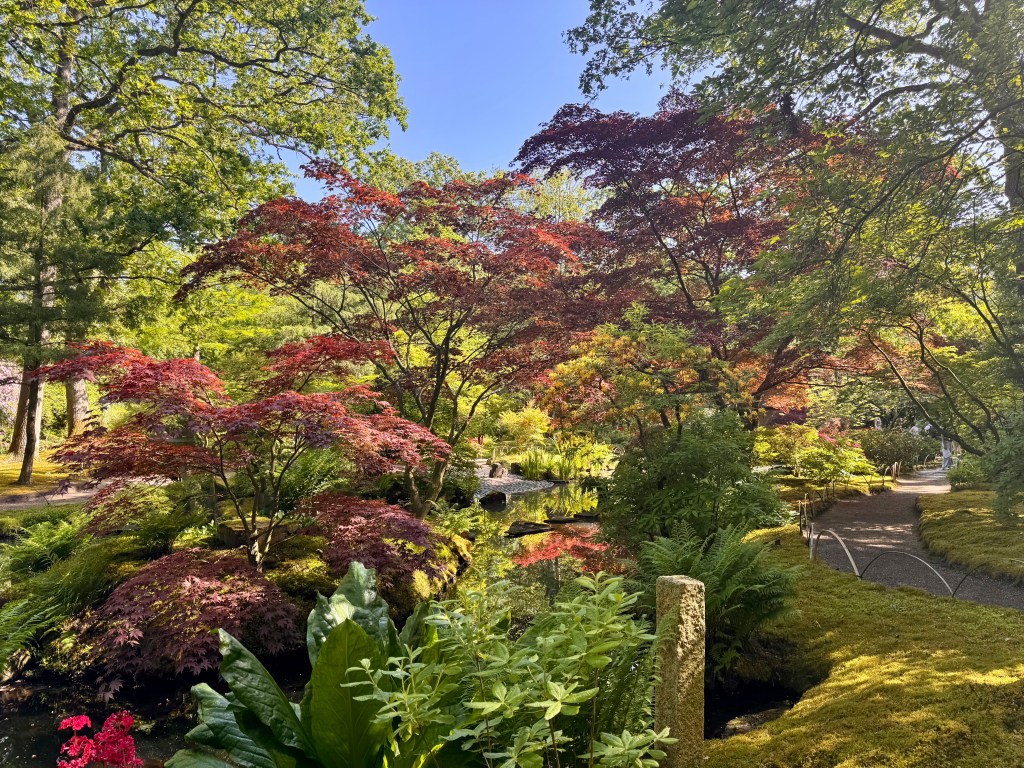
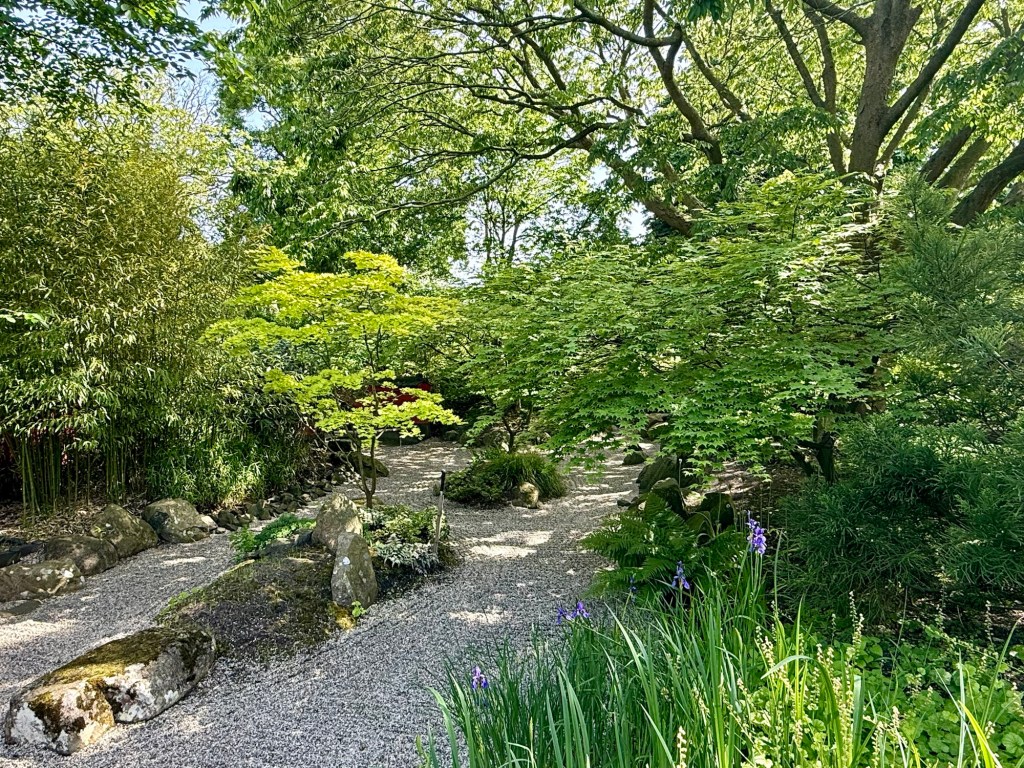
We were so organised and early that we had to wait for the Japanese Garden to open. It’s well worth the visit, it is the most tranquil place despite a group of noisy schoolchildren. They all arrived by bike, chattering away before being shepherded around by a solitary teacher. It feels a world away from home.

Can you see which Acer is been controlled to ensure it has the correct form for the space?

Next stop Le Shuttle via Ardres to pick up some wine. It was a long, hot drive, we arrived early for our crossing and hit rush hour on the M20 and M25. Fours hours later we were home. In fact, you can travel from Le Shuttle all the way to Leiden in the same time and we know which we’d rather have done.

A final word of wisdom: If you are taking a self opinionated, keyless entry car on Eurotunnel, do not let your husband wander off with the key. The car will panic, alarms will sound and embarrassment will ensue.

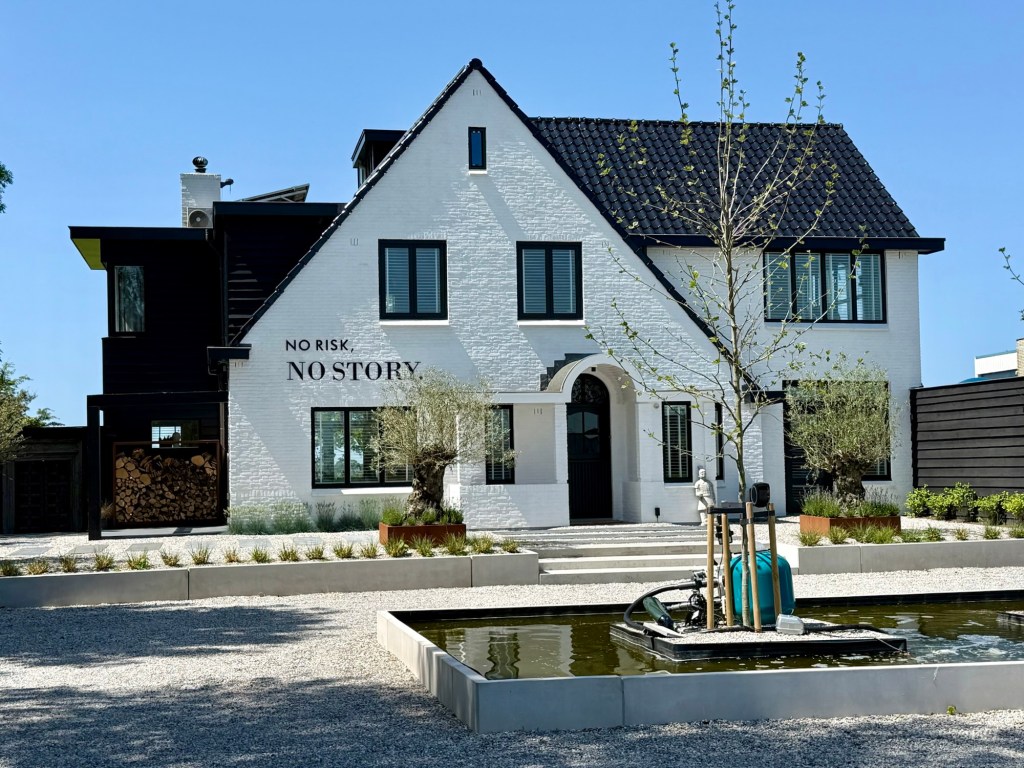
No risk, no story

28 degrees forecast today so it seemed a good idea to go cycling, we plotted a leisurely 30km route to Reolofarendsveen overlooking Brassemermeer, a large lake mainly used for water sports. Also home to the oldest ice sailing club in the world.

It’s been such a peaceful ride, through pretty suburbs, alongside waterways and past fields. There has been the odd detour when the Fietsknoop app hasn’t recognised a diversion or we have not been paying attention to signs.

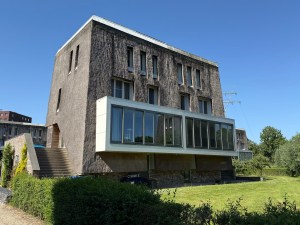
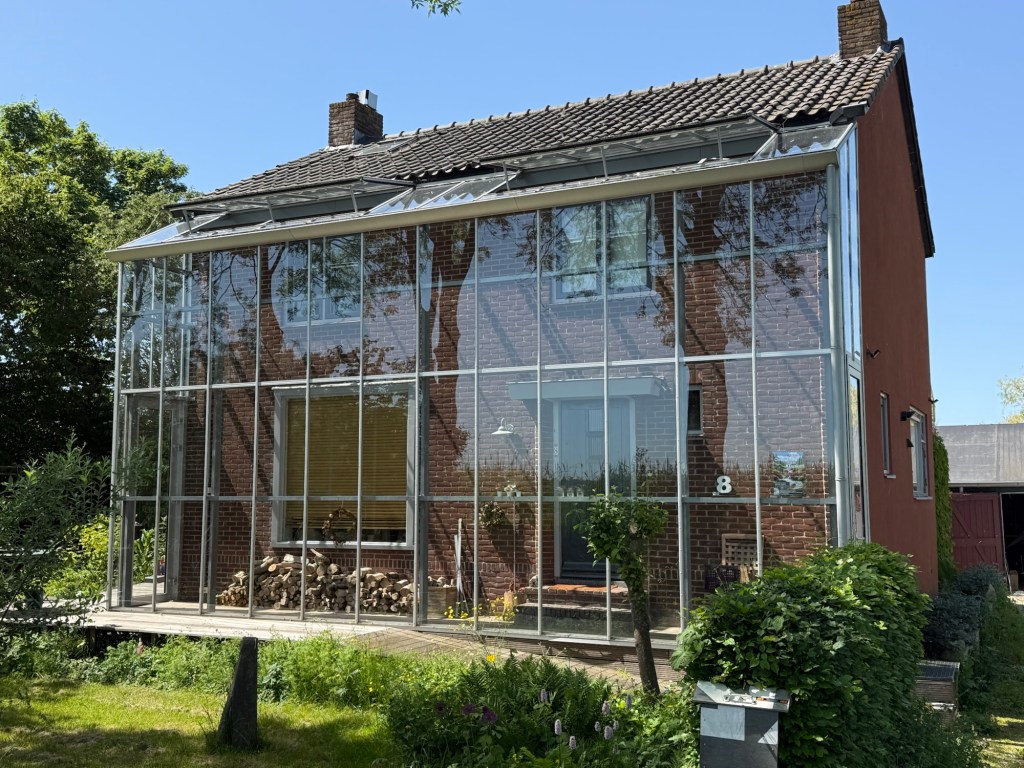
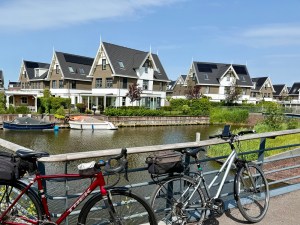
It wasn’t long before we were on the outskirts of Leiden, cycling though a small estate of reed clad houses. According to one of the house owners this was nothing to do with insulation or energy efficiency, simply a design choice by the architect

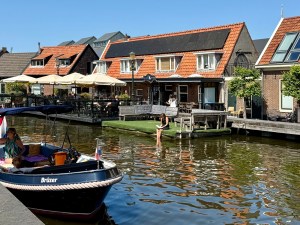
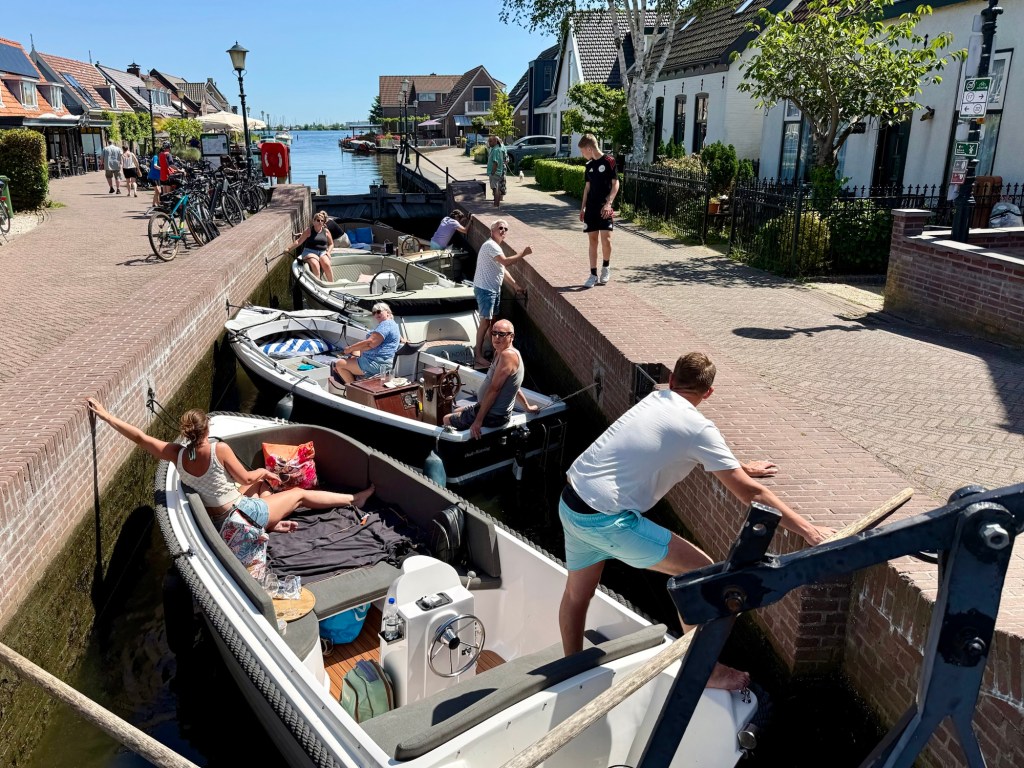
We arrived in Reolofarendsveen in time for elevenses. Watching boats negotiating the lock, we fortified ourselves with tea and cake and plotted a longer route back. Obviously a sugar high took hold of us, we had cycled 15km and felt we’d barely got started .

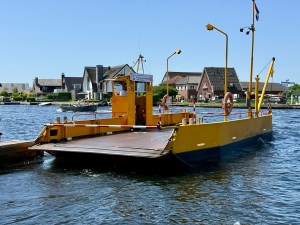
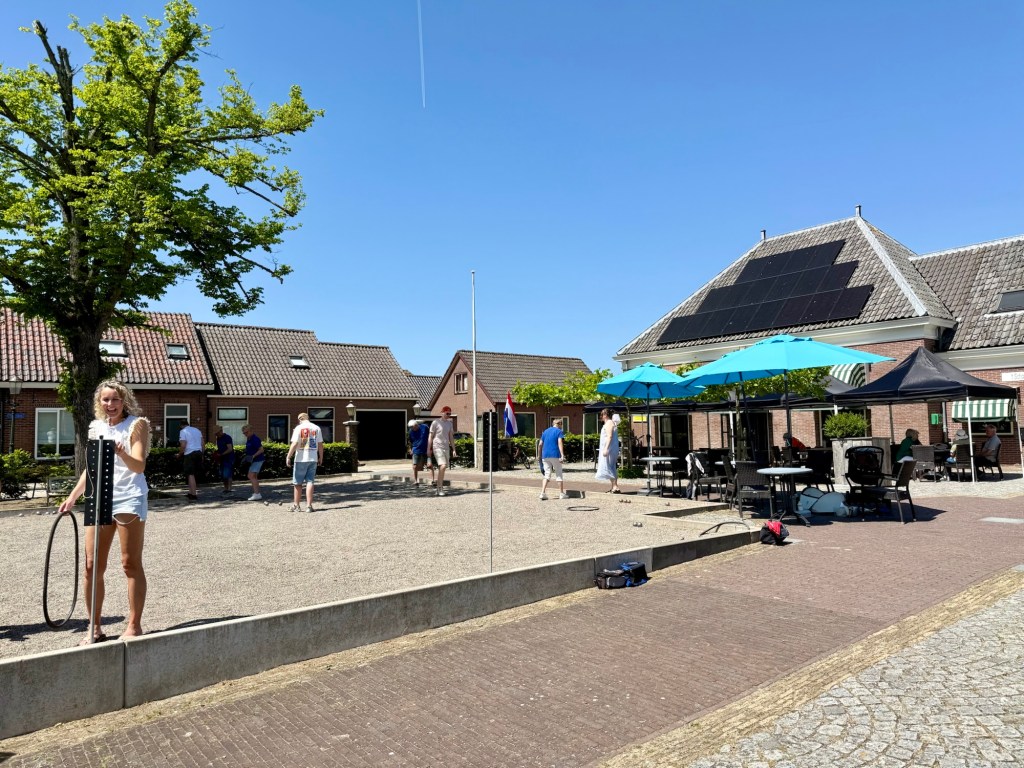
The route took us on a ferry and past more fantastic houses before coming across a Jeu de Boule club at Rijnsaterwoude. We’d only stopped to fill our water bottle and were drawn in by shady benches to sit and eat our lunch. Today was ‘family day’ and club members were playing against a variety of family members. It was a lovely atmosphere and we’d still there if it wasn’t for the remaining 25 km of our route.

Our last stop, before Leiden, was in a bar overlooking the Widje Aa at Hoogmade and there was so much activity. Boats sailing past every few seconds and the road bridge lifting to let larger ones through. It surprising how long one beer can last when you’re reluctant to sit on a saddle. Padded pants were in the car in Leiden rather than, sensibly, on bottoms!

We arrived back hot and tired, but it’s been an adventure. Our highlight of the day? We now have a fan in our non air-conditioned bedroom and temperatures may be cool enough for us to sleep.

A fascination with tesselation

Another scorching day, and we notice it’s even hotter back home!

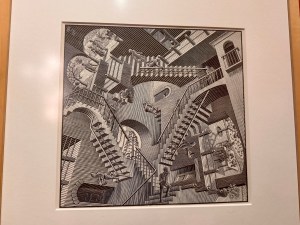
We chose to give our legs (and bottoms) a rest from cycling and took a train into Den Haag. We were keen to do a return visit to the Escher museum and planned a walking route around the city to take in the main sights.

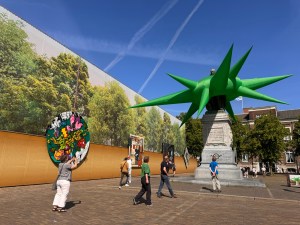
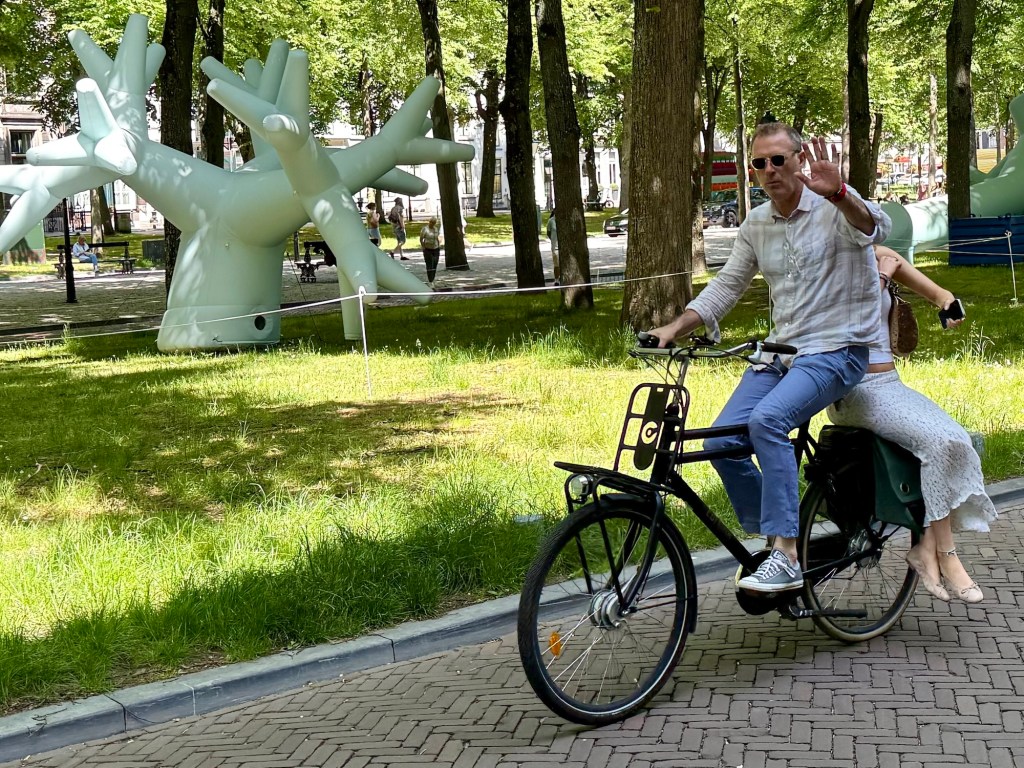
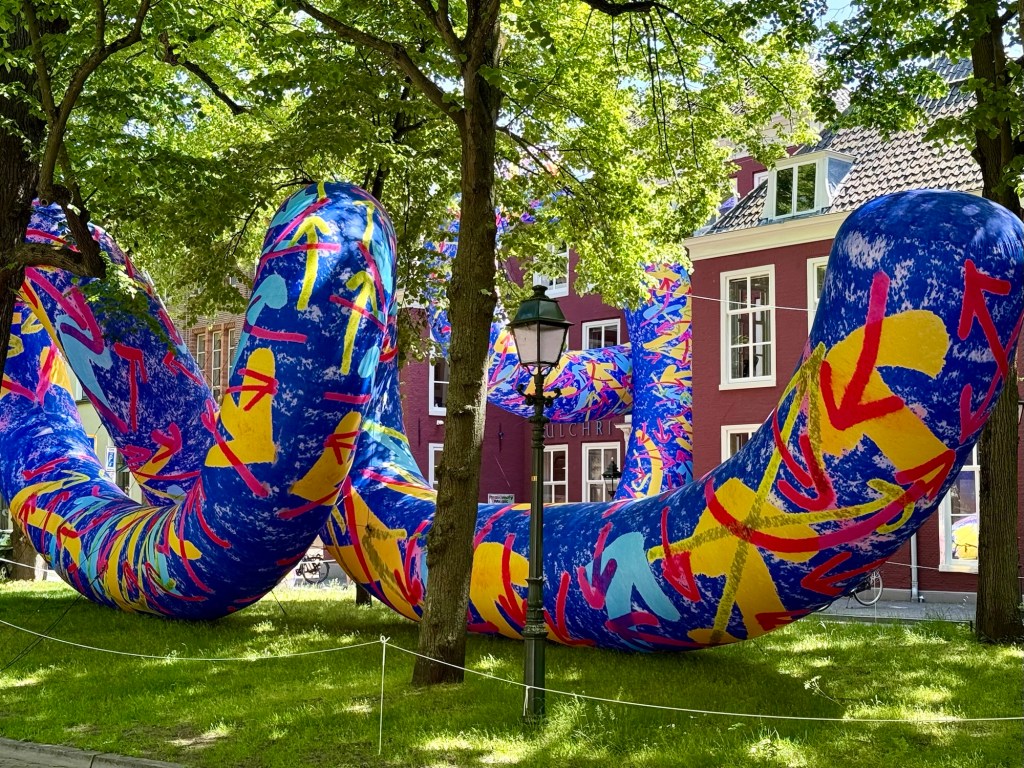
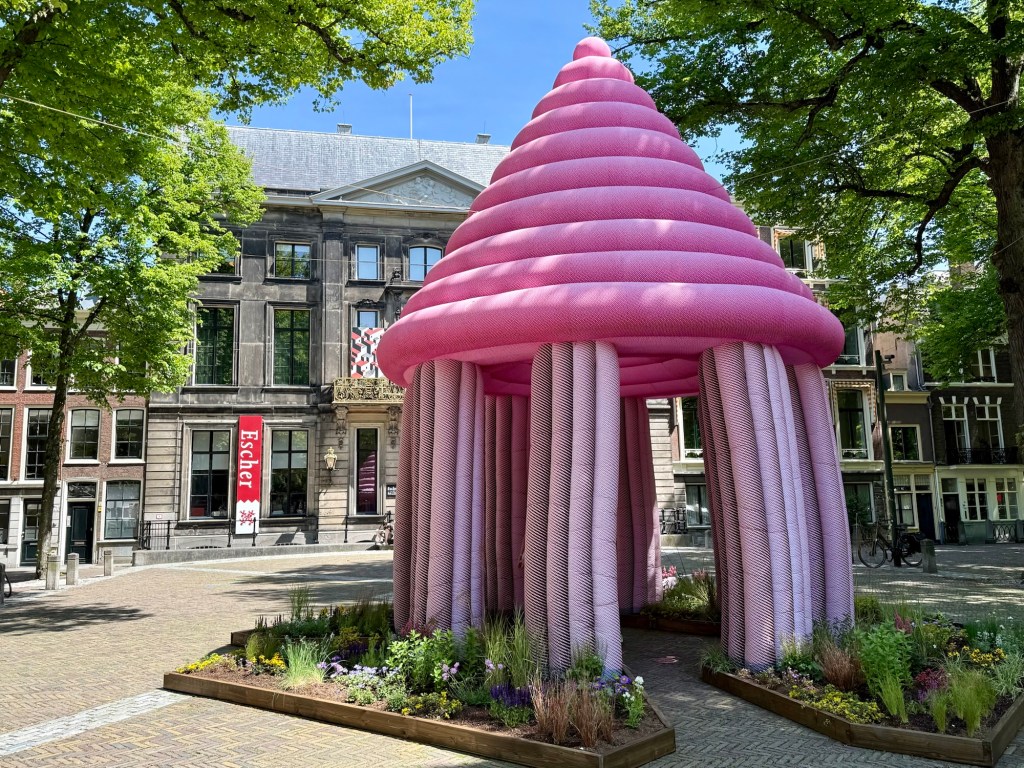
Sadly the Binnenhof, the oldest parliament building in the world still in use, was shrouded in scaffold and undergoing major restoration. We did see our first Blow Up art installation – The Statue of Liberty’s crown landed on William of Orange who was a fervent advocate of civil and religious freedom. Next stop Mauritshuis where we decided we didn’t want to see ‘The Girl with the Pearl Earring’ enough to pay €45. We did, however, enjoy seeing more Blow Up art around the museum district.

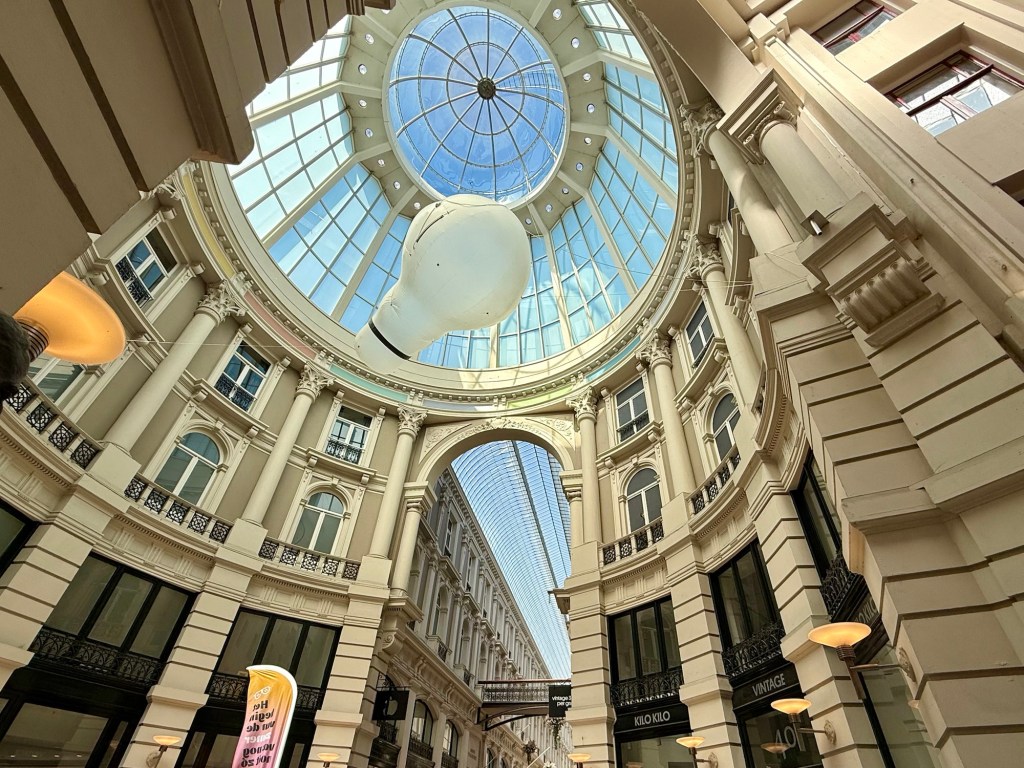
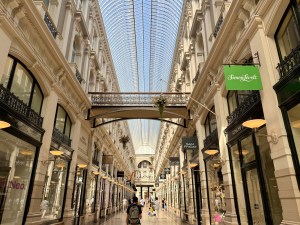
Our next stop was ‘The Passage’, opened in 1882, it’s the oldest shopping centre in The Netherlands and has a real charm with glass domed arcades. When it was built, owners of the apartments above could only access through the shops which was rather a smart idea. Today, some apartments are occupied but many are boarded up which is rather sad when they would offer stylish city centre living.

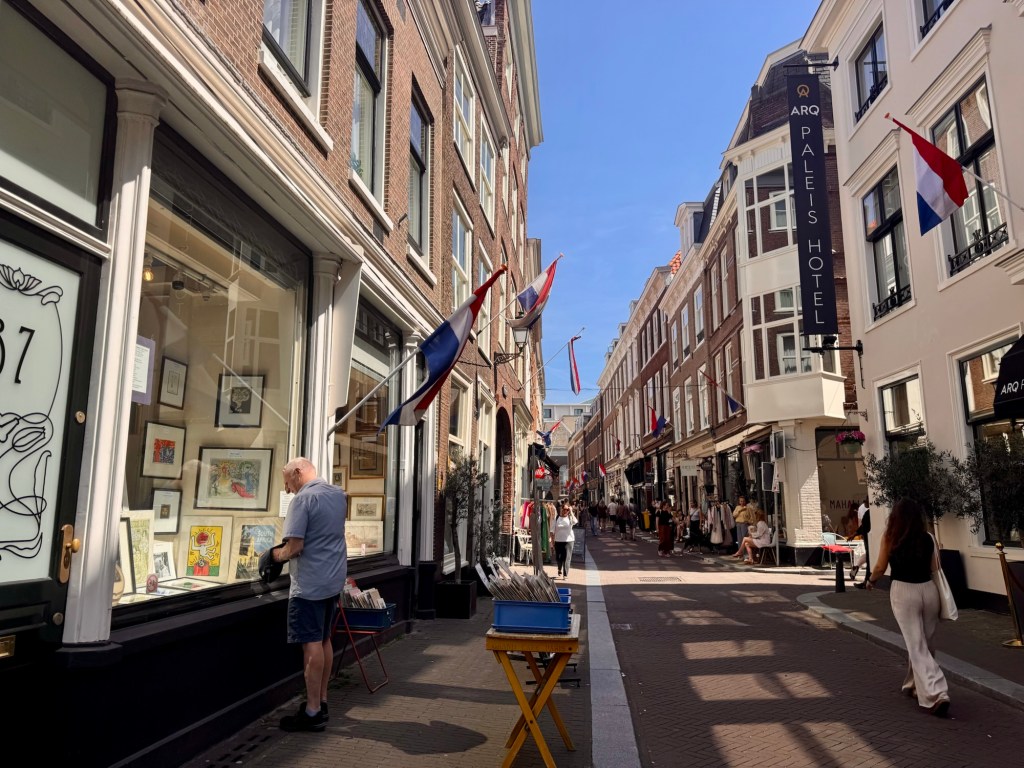
Via a street market, we wandered in to Piet Heinstraat, described as one of The Hague’s most interesting shopping streets, filled with little independent shops and cafes full of locals, creating a very trendy vibe.

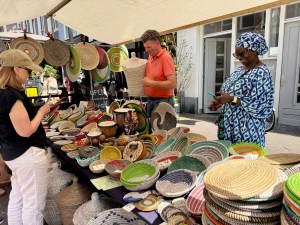
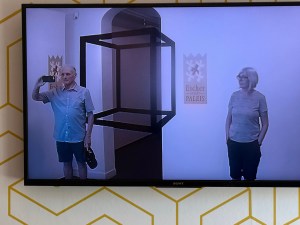
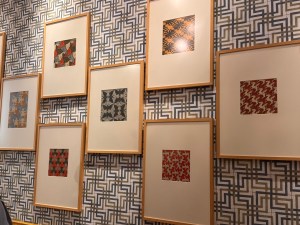
Finally we walked back to Escher in det Huis. We’ve been here before but Escher’s work is just so compelling and we had the pleasure of another street market to get there. The eclectic mix of stall holders gave it a slightly surreal feel.

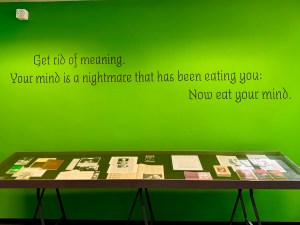
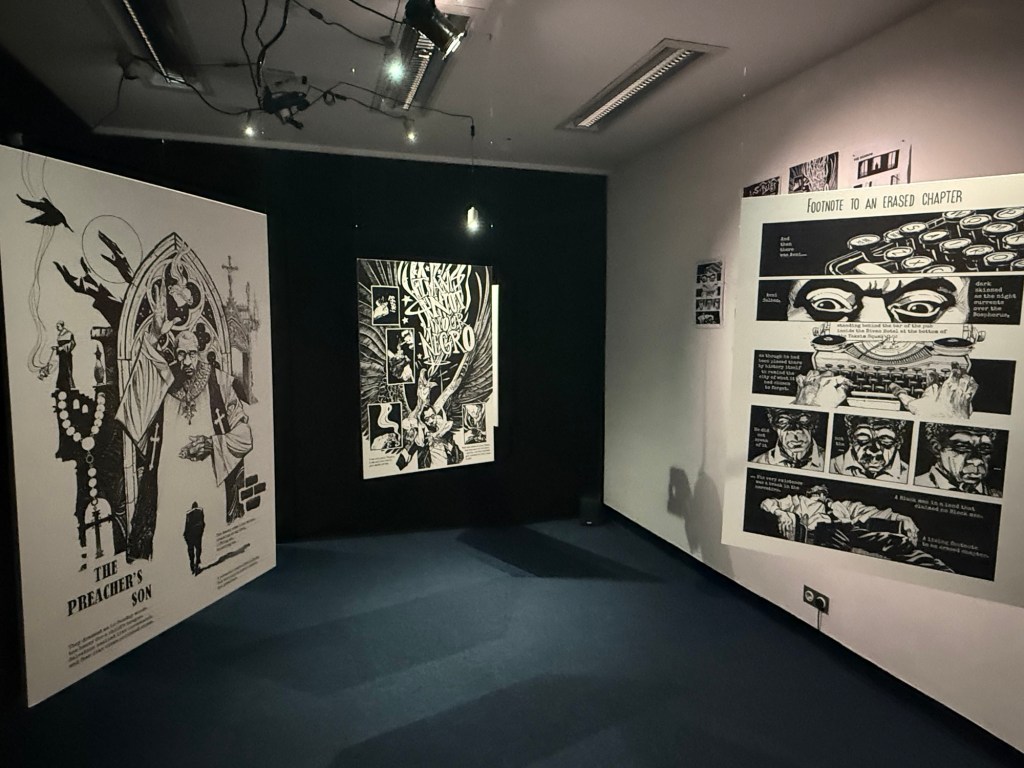
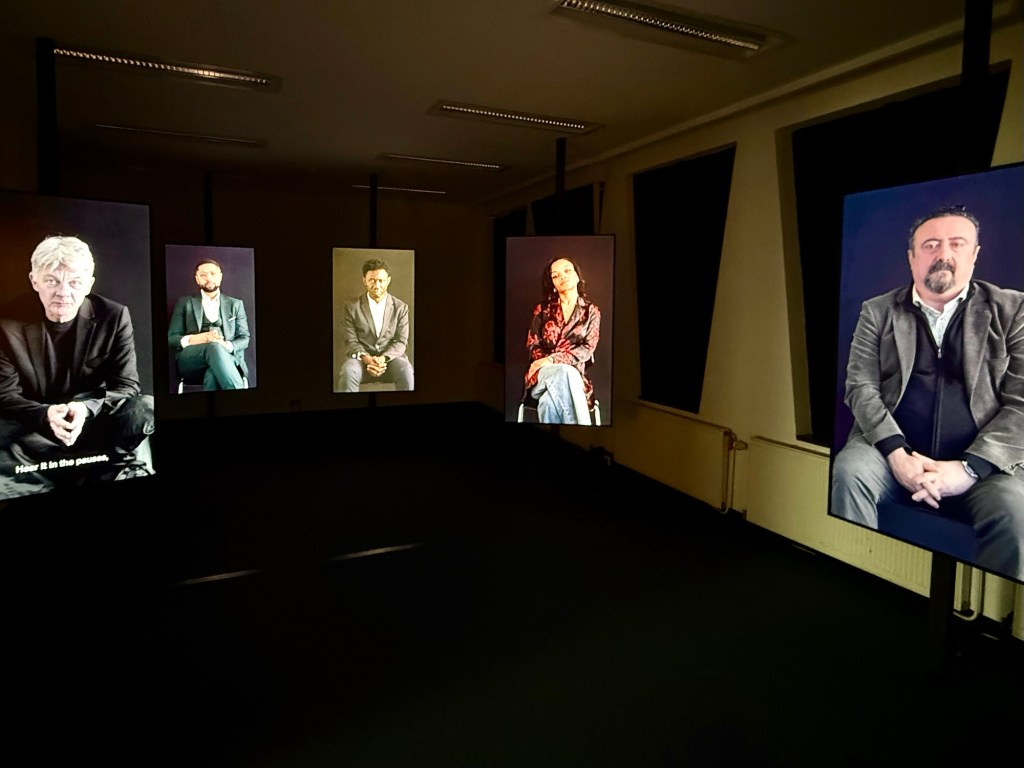
Our day ended with an unexpected visit to the American Embassy, hosting exhibitions exploring the relevance of James Baldwin as a writer and activist as well as American writer Kathy Acker. It was an interesting experience which included watching the recording of a rather bizarre experimental radio show. It was the end of a long day, we probably didn’t do it justice and were pleased it was free.

Exercise to eat

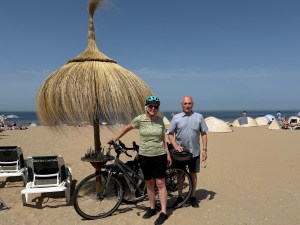
At least that’s our philosophy. After a buffett breakfast of fruit, yoghurt, bread, cake, eggs, bacon and cheese we cycled out to the coast.

I know we go on about Holland and cycling, but it is so good. Kim plotted a route on the Fietsknoop app and we were off – no arguing or detours.

We cycled out through Leiden’s suburbs to Katwijk, past some idyllic settings. That’s the trouble with Holland, we always want to live here, despite the language barrier and weather that’s just like home.

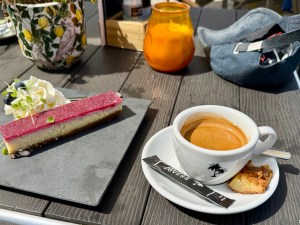
We detoured off our route to cycle along Katijk’s sea front and rewarded ourselves with coffee and cake, it seemed rude to resist a ‘special offer’.

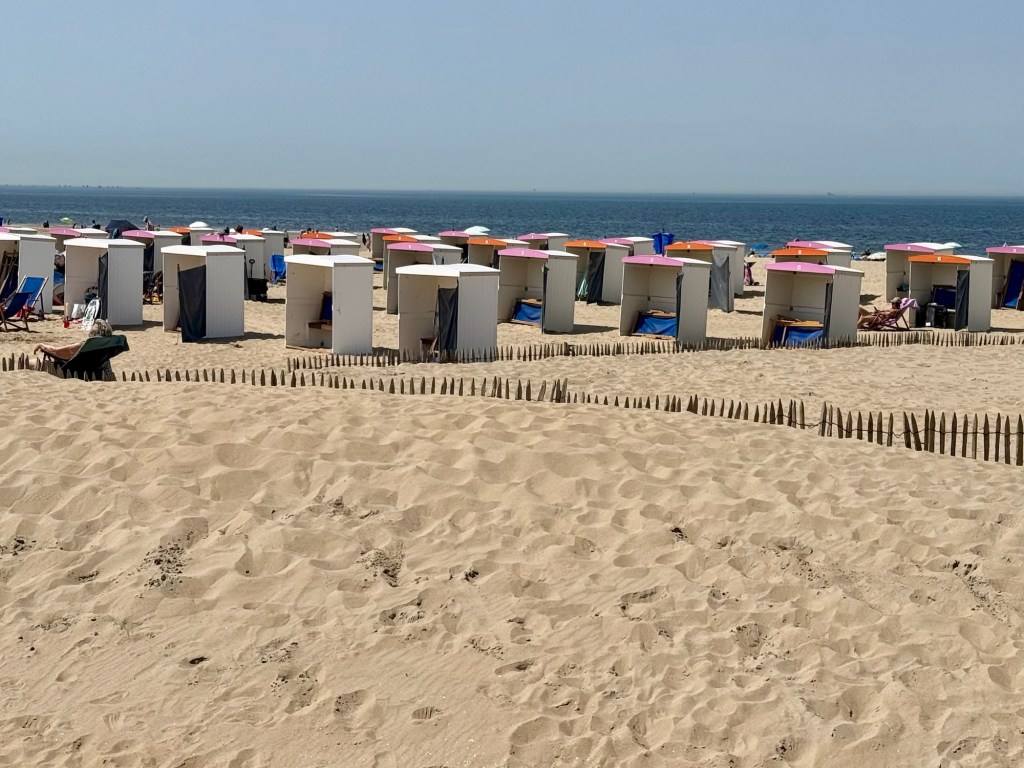
The beach was beautifully sandy with some interesting windbreaks, reminding us of those we saw in Rugen but not quite as stylish

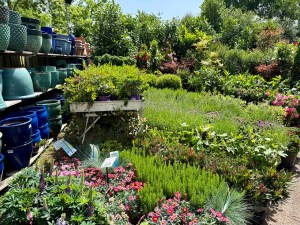
Only a third of the way along our planned route, we worried we’d run out of energy – 5km of undulating sand dunes was surprisingly hard work for those of us who haven’t been on a bike in months and no longer walk up and down stairs. It was a relief to leave the coast behind. Back into the suburbs of Leiden and we cycled past a lovely little nursery in the middle of a housing estate.

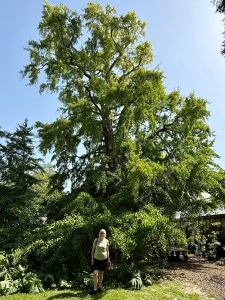
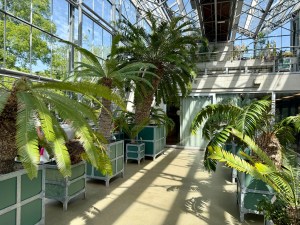
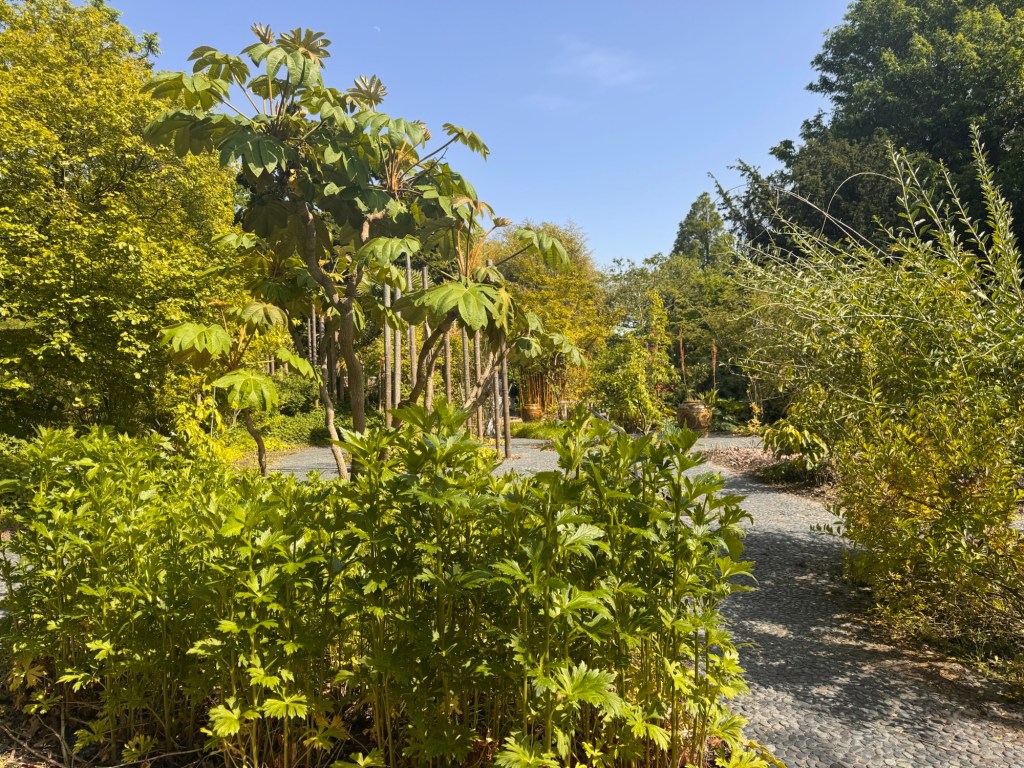
Our afternoon was spent at the Hortus Botanicus. A botanic garden has been on this site since 1590 and contains a Gingko planted in 1785. Renovations to the glasshouse, in 1937, were carefully planned around it and it is quite a specimen.

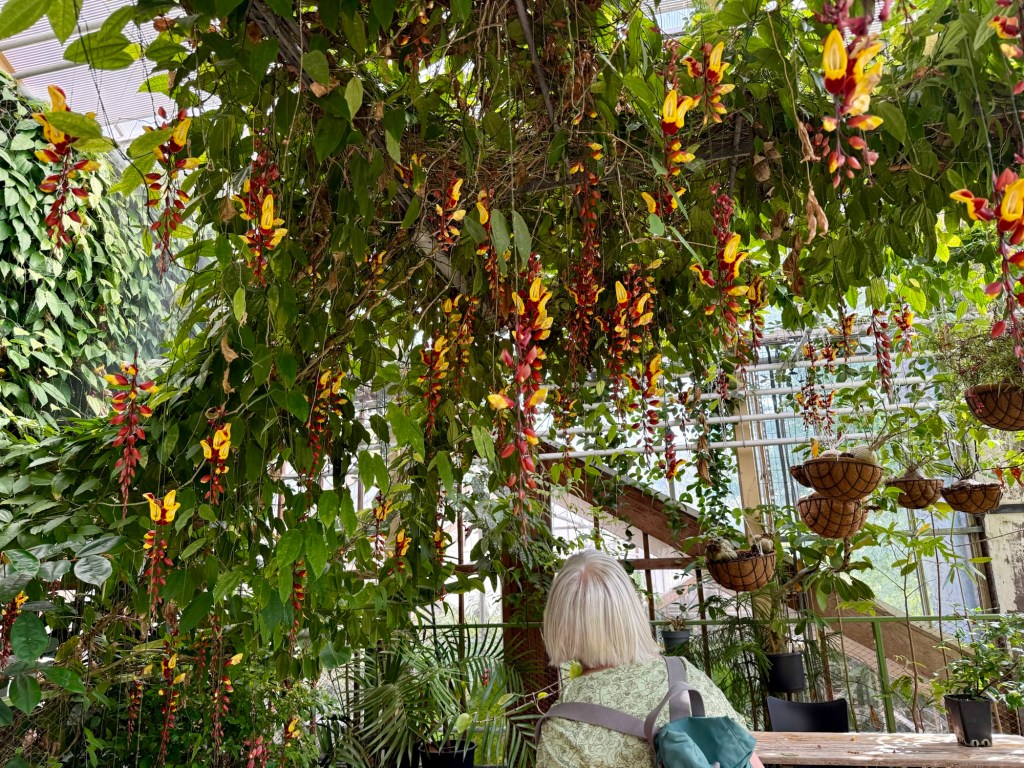
Described as the green heart of Leiden, what began as a focus on taxonomy and medical use of plants has expanded to include a wide array of projects on plant evolution. It’s worth another visit to truly understand the significance and rarity of some of its plants.

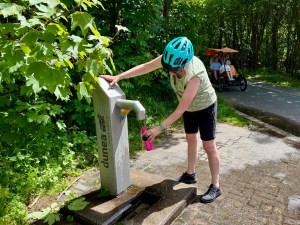
It’s been a very toasty day, 29 degrees, and we’ve been very grateful for the drinking water stations both along our route and at the botanic garden.

Unfinished Business

Eurotunnel is Kim’s least favourite channel crossing and, after a series of delays and minor mishaps, there was much chuntering about ‘exactly how is this quicker than a ferry and better than Dover?’.

We are back in the Netherlands for a few days, after an early start, we checked into the Golden Tulip hotel, paid a small fortune to park the car and set out from Leiden to Haarlem.

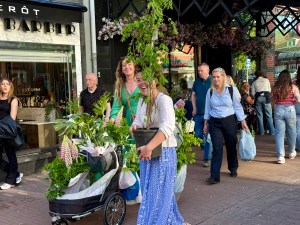
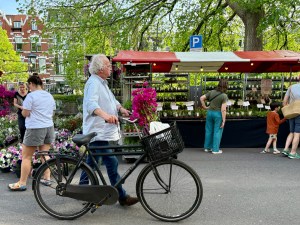
A train and bus ride later, we were at Haarlem’s annual Luilak night flower market, a tradition dating back to the 17th century which remembers a night when the nightwatchman failed to warn the town of advancing French soldiers. Luilak, held on the Friday before Pentecost, roughly translates as lazy bones and the tradition is to make much noise to wake these sluggards up.

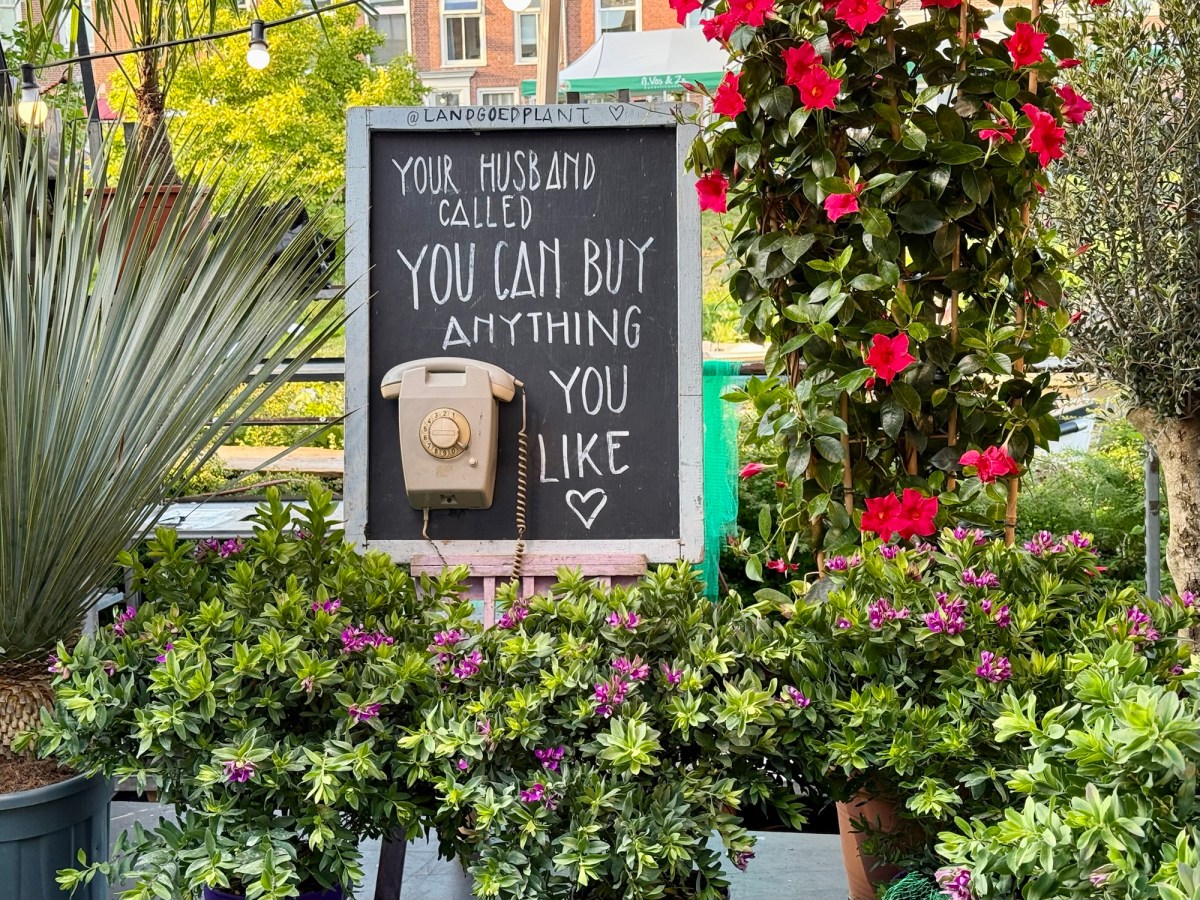
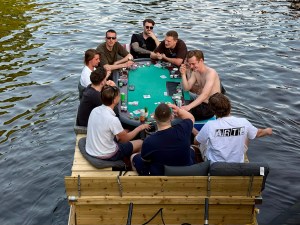
A couple of streets, either side of a canal in Haarlem are lined with flower and plant stalls, a few craft stalls had crept into the mix too. We were taken by the sight of a group of young men, playing poker, on a boat that looked like it had been nailed together from old pallets.

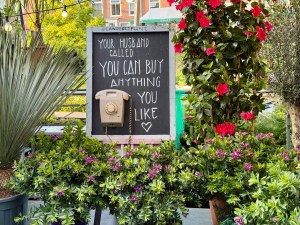
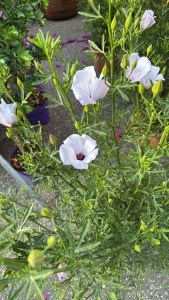
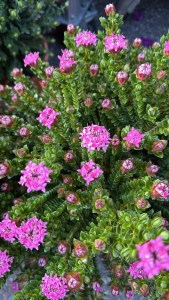
It typical Dutch fashion, the plants were green and lush, looking very much like they have been cosseted in greenhouses and much further ahead than they would be at home. Hydrangeas in bloom were big favourites as were showy bougainvillea. There were some beautiful, tender shrubs which we sadly walked away from their names quickly forgotten.

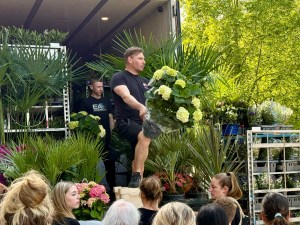
The big draw for the crowds was the grower, auctioning his stock from the back of a huge articulated lorry. Full marks to the driver for getting it down narrow streets. Specimen shrubs and huge perennials were snapped up at €10 a pop. His business model must work well, his Maserati was parked in front of the lorry and his pre-teen children, well past their bedtime, were doing the heavy lifting and all part of the show.

We sat on a terrace, outside an Italian restaurant, watching plants travel by. It was a joyous sight.

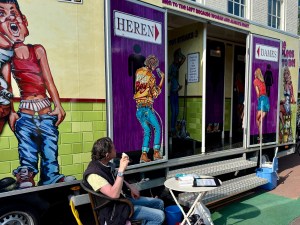
Finally, you can tell a civilised country by the state of its portaloos (Kim says that’s a well known fact!). They were spotless and, if you were cash poor, a wave of a card and €1 down, you had access to a spotless toilet.

Final thoughts

This morning, our ride back to the airport was through Olive groves, many with a significant number of dead or dying trees caused by the Xylella bacteria which arrived on the island in 2017. It’s interesting that we didn’t notice the impact last year, so it feels that it’s spreading at quite an alarming rate despite control measures in place.

Now on to our final ramblings in no particular order:

Hotel El Guia was a great central location, and surprisingly quiet considering it is sandwiched between the Tram terminus and railway station. We upgraded our room for a bit more space which was welcome for a week’s stay.

Best meal? Kim loved the Mushoom menu on the first night. John? His favourite is always the freshness and simple pasta choices at C’an Llimona although, this year, a Margarita pizza at C’an Sollerenc came a close second

What was our highlight? John’s was not falling off or crashing the scooter. Kim’s was have a paddle in the Med. Not sure what this says about us as a couple!

What would we do the next time? Hire a Harley rather than a Lambretta, at least John would. Kim’s is a bit more low key and would be to visit the Robert Graves museum in Deia and walk back to Soller. Robert Graves has haunted her since English Lit ‘O’ Level and it’s time to put his ghost to bed.

Port de Soller

For our final day, we chose to walk down to Port de Soller and cobbled together our own circular route.

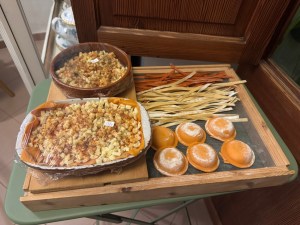
Before we tell you about our day, yesterday we re-visited a Picasso ceramic exhibition in Soller station. On our way out this morning, we spotted these and decided they were probably better than some of Picasso’s ceramic art.

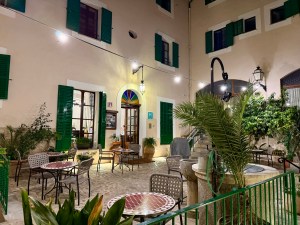
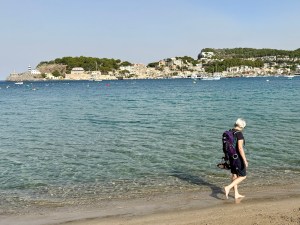
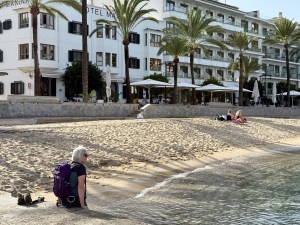
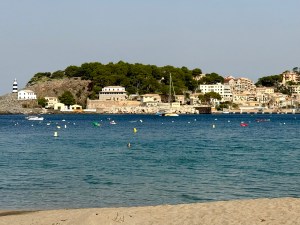
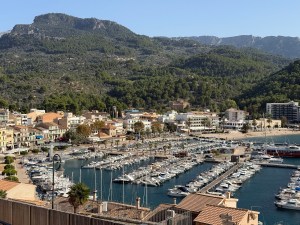
It’s been a glorious day, 24 degrees and the port was looking lovely in the sunshine. There was time for a quick paddle before stopping at a beach front cafe, Blai. Chosen for its choice of music, 70s chill probably best describes it, rather than the menu. We did enjoy a leisurely lunch of blue cheese, grapes and poached pears overlooking the bay.

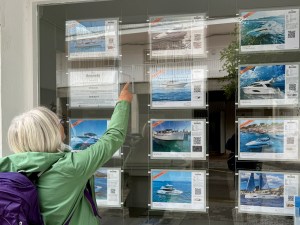
Each time we’ve visited the port, there hasn’t felt much to do but warm sunshine gave it whole different feel. So much so, we researched how much a sea view apartment would cost this time next year.

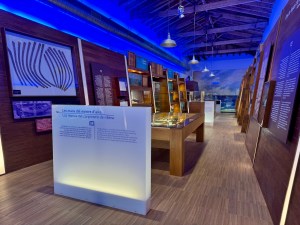
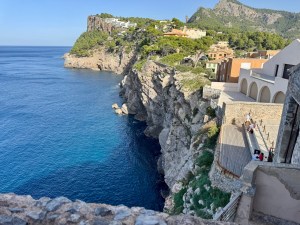
Since we last visited, the Musee de Mar has reopened in the former Oratory of Santa Catarina. This little museum has a spectacular view over the cliffs and traces the port’s seafaring heritage and important role it had in trade across both the Mediterranean and Atlantic. Ship building was vital for export of oranges.

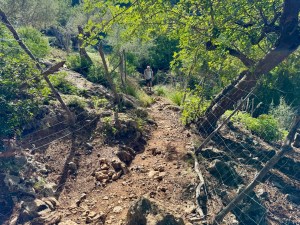
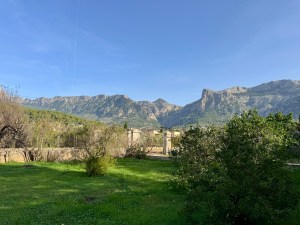
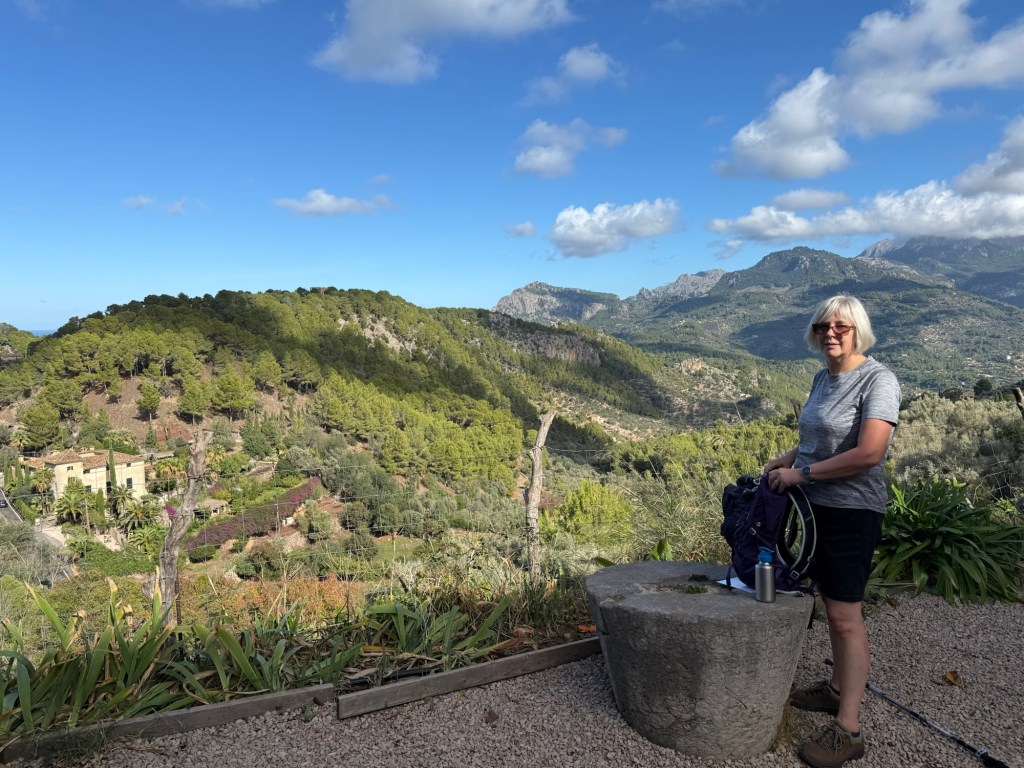
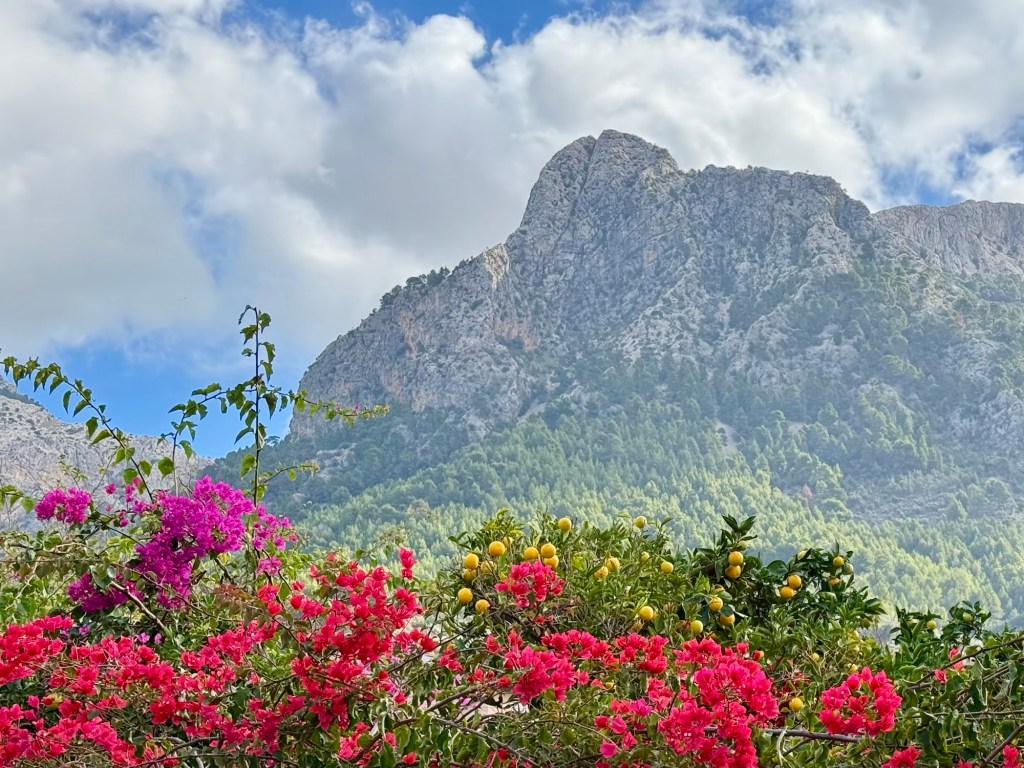
We chose to walk back to Soller, despite perfectly good tram and bus services. It’s the lowest graded walk of our holiday – only 1.5 hours and 5km. It was tough, we are both tired and it was hot. Neither of us were in the mood for rocky paths and grumbled most of the way back! We did enjoy the last part, returning into Soller along paths we hadn’t seen before and with a clear view of l’Ofre peak which we’d walked under from Cuber reservoir. It’s the middle, triangular one in the photo and it’s a long way up!

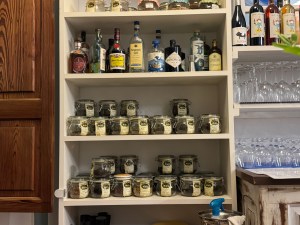
Tonight, as John’s birthday treat, we ate in C’an Llimona. We’ve eaten here, each time we gave stayed in Soller and it’s a favourite. The pasta is freshly made, the decor eclectic. There is a menu but you choose from the tray presented to you. As to the tea choices….

(Un)Easy Rider(s)

John had a hankering for hiring a scooter to explore more of Mallorca. He was keen to take the old mountain route from Soller towards Palma until persuaded, by Luca at Viento Scooter Hire, to try something more scenic – much to Kim’s relief.

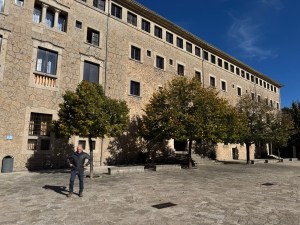
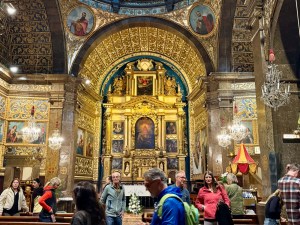
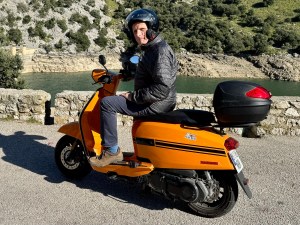
An orange Lambretta took us 36 km out of Soller, along twisting mountain roads, to Lluc, the spiritual heart of Mallorca. Famous for the Santuari de Lluc, a former monastery and pilgrimage site dating back to the 13th century, it had the added allure of both botanical gardens and a cafe.

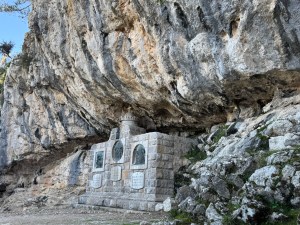
There was a hiking route, all of 30 minutes, around the back of the Santuari and past sculptures dedicated to the Mysteries of the Rosary and fantastic views across the valley. Legend has it that the site was deemed spiritual when a shepherd found a statue of the Virgin Mary in the field.

Each lunchtime, there is a short recital by the Children’s choir in the chapel. The Choir was formed in the 16th Century and is the oldest surviving Children’s Choir – some of them look remarkably good for their age! The chapel is also home to a black Madonna, who appears behind the altar for the recital and magically disappears behind a screen when the singing ceases.

We stopped for a couple of photo opportunities on the way back down the Tramuntana mountains.

Although the roads have been steep and twisting, they have been quiet, apart from the odd kamikaze sheep. Perfect for two wobbly oldies on a trendy Lambretta.

To recover, we spent a couple of hours by the pool with a quick visit to the Miro exhibition at the station followed by dinner overlooking the main square.

The only way is down.

As in we both fell over, a few bruises and grazes were all we suffered. No-one would believe we’ve been away if we came back unscathed.

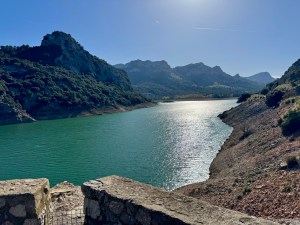
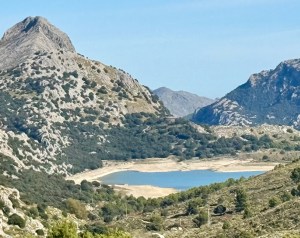
Today, we walked from Cuber reservoir, one of only two on Mallorca built to supply water to Palma, back to Soller. We arrived by taxi and our only option was to walk the whole route. There would be no short cuts or buses today.

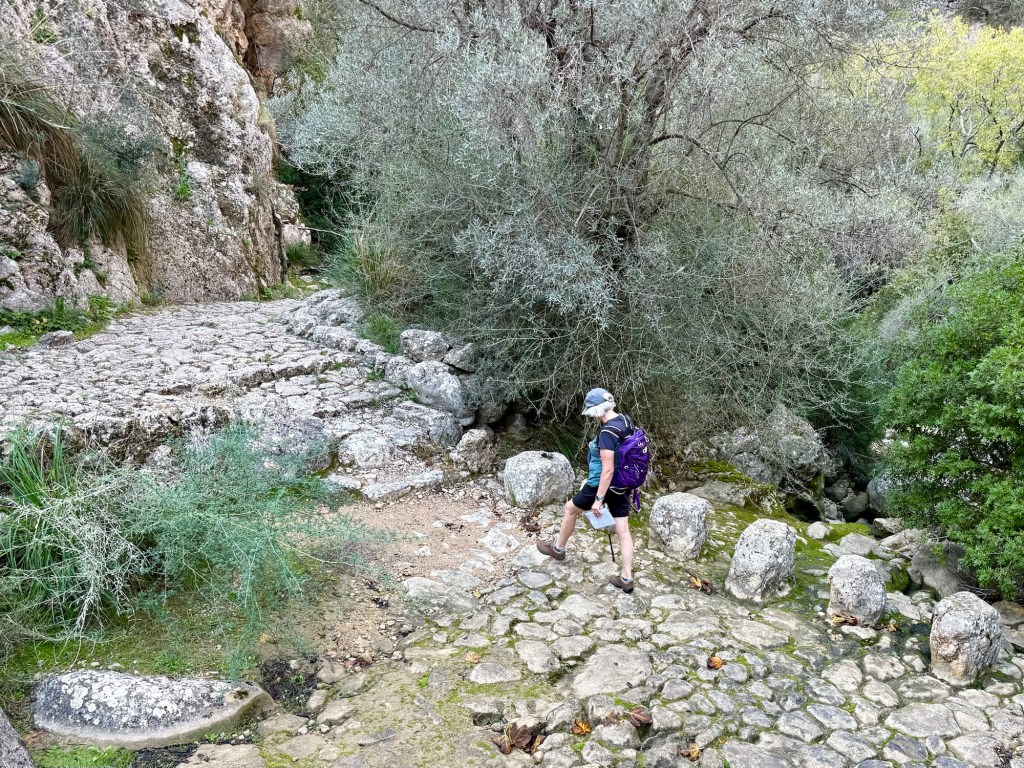
This walk is all about the descent through the Biniaraix gorge, down almost 2000 stone steps cut through the mountains by the Carthaginians about 2500 years ago. A path created to expand olive oil trading, there was a lot of grumbling about ‘bloody carthaginians’.

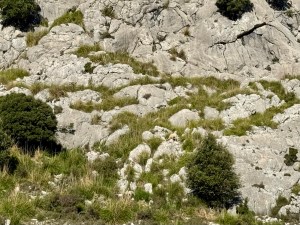
The first few km’s took us along the reservoir shore through a nature reserve where we shared our path with horses and donkeys. In the background, there was a constant sound of bells so we knew there were sheep around, but could we see them? There are at least two in the photo below, can you find them?

The highest point of our walk was under the distinctive, triangular peak of l’Ofre. Luckily we didn’t have to walk to the summit but the following 800m descent over 5km was tortuous.

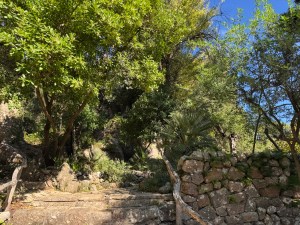
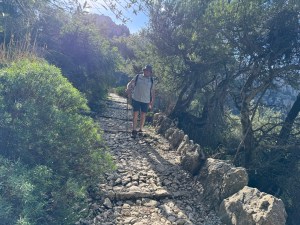
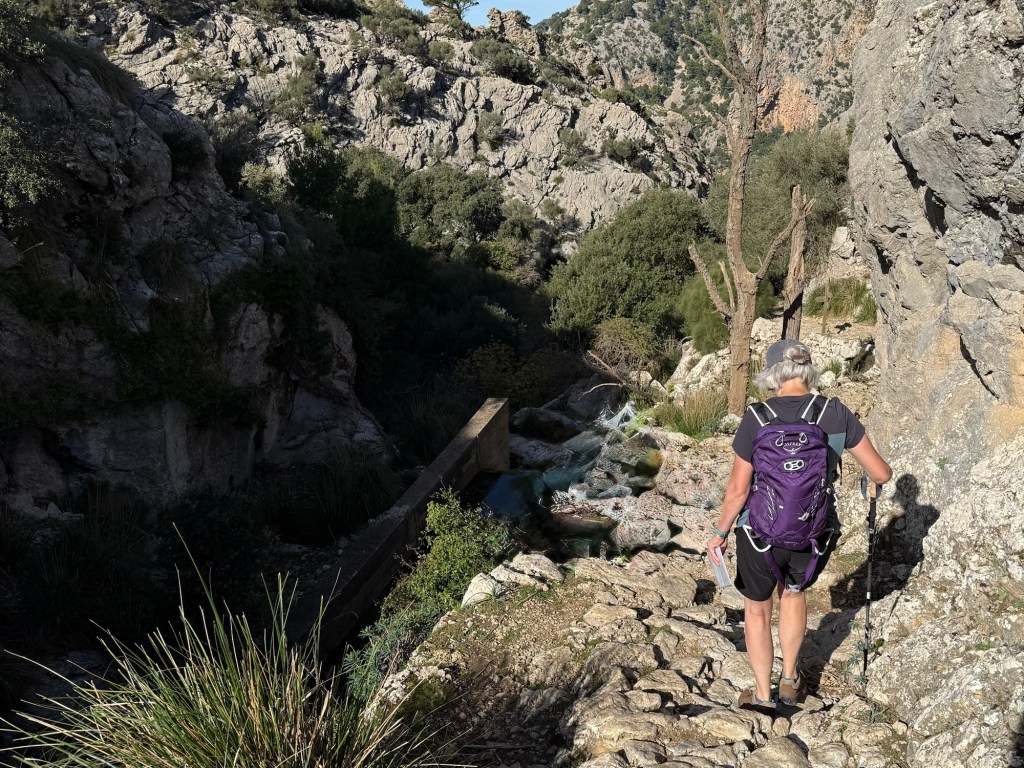
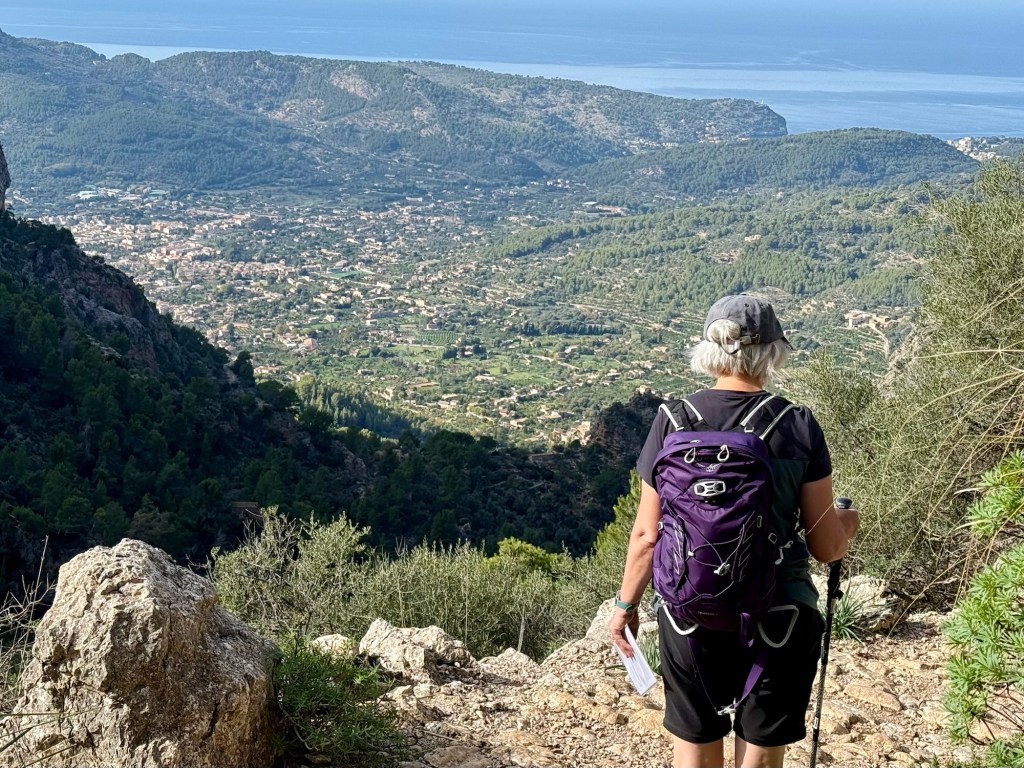
As we descended, our views across to Port de Soller were amazing but the zig zag, cobbled path along the Barranc de Biniaraix through the gorge was extremely tough going. Although well maintained, 2000 uneven boulder steps on a path dug out of the side of a mountain was hair raising. In places it was slippery and, over two hours of descending, took its toll on knees and ankles. Would we do it again? Probably, just not this holiday. And we were grateful not to have walked it in reverse.

Reaching Biniaraix, only 45 minutes later than the suggested guideline in our route instructions, we felt rather smug while collapsed in a heap with a beer to fortify us for the final descent into Soller. 30 minutes on a nice tarmac road!

15kms walking had taken us over 5 hours.

We have a different kind of adventure planned for tomorrow. No walking poles required!

Pah to Google Maps

Today started with a plan – bus to Deia, visit Robert Graves museum followed by a walk back to Soller.

It all fell apart when Google Maps didn’t bother telling us we were waiting at the wrong bus stop. Please don’t mention personal accountability, we’re simply not interested. With over an hour wait until the next bus, we didn’t have time for our Plan A and so Plan B was born – Valldemossa!

We researched our options while sitting in a cafe, next to what we hoped was the correct bus stop, while drinking the worst tea and coffee we’ve tasted all year. By 10:45am, we were surrounded by workers drinking beer and wine and could completely understand their choice of beverage.

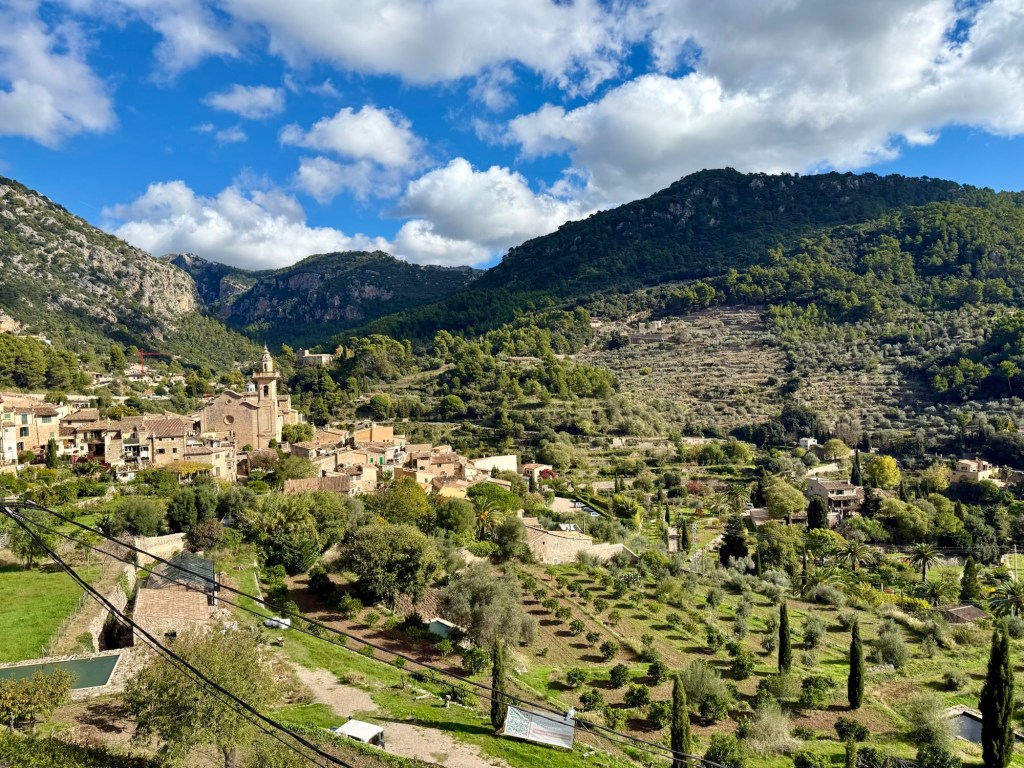
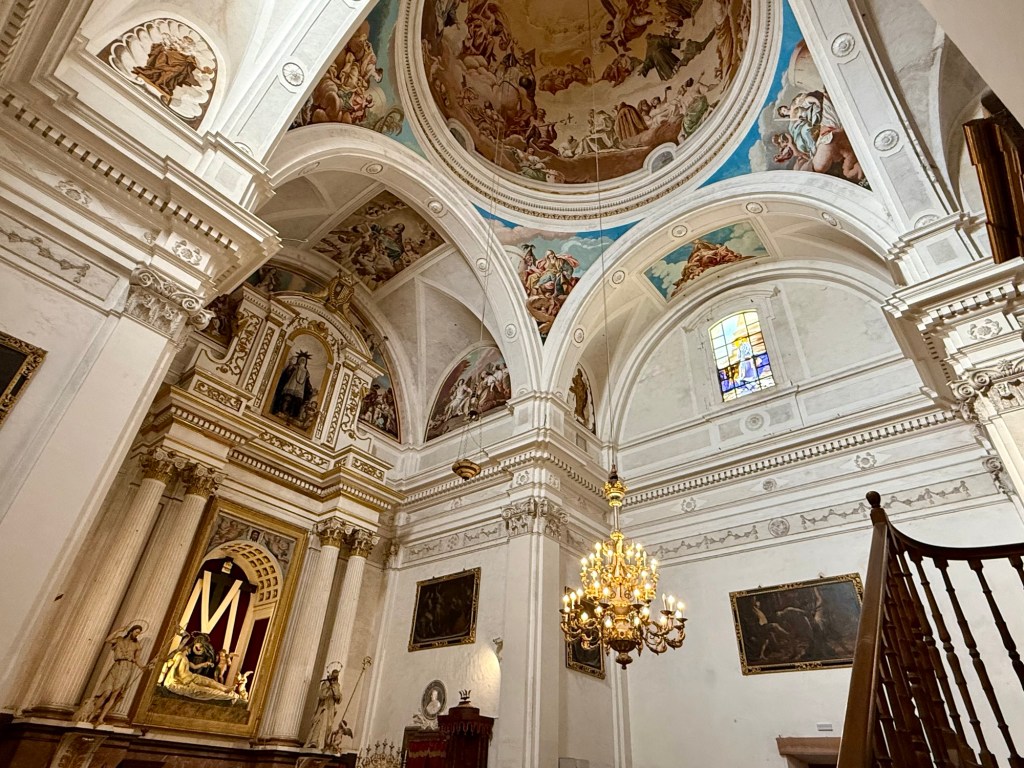
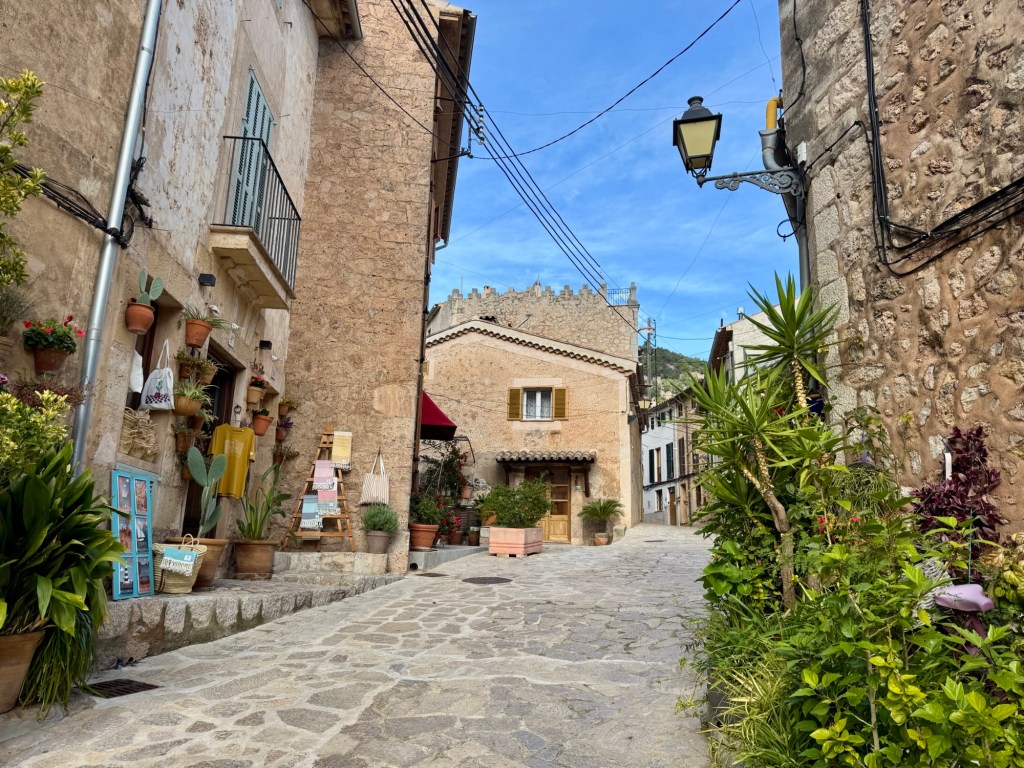
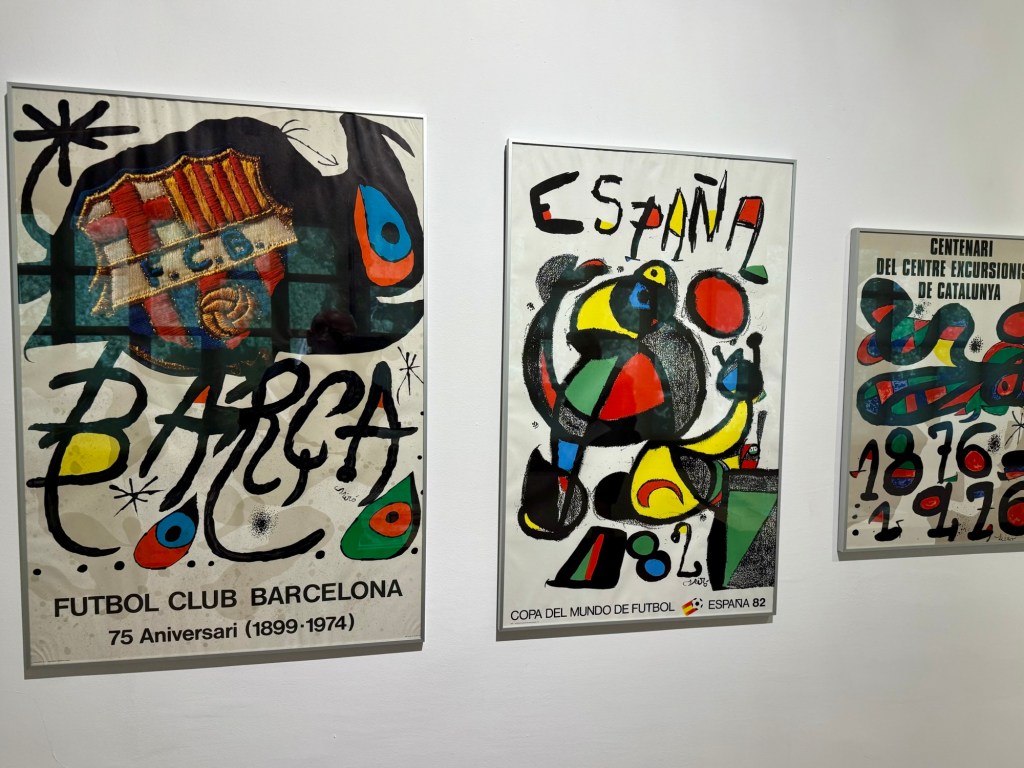
Valldemossa is a pretty, ancient village on the north coast, famous for its Carthusian Monastery where Chopin and George Sand once spent a winter renting a former monk’s cell. The main draw, for us, was an exhibition of Miro posters.

Throughout the day, 15 minute Chopin piano recitals take place in the monastery which was a rather nice interlude before a late lunch and bus back to Soller.

Our bus journey was an adventure in a category all of its own. Equally exciting and hair raising. Bus drivers must have to pass a special test to prove they can get their vehicle around hairpin bends, on narrow roads, without toppling over the side of a sheer drop.

Slips, trips and falls

The clouds lifted, this morning, and the sun put in an appearance. We decided to brave a walk up into the quiet hills to the west of Soller.

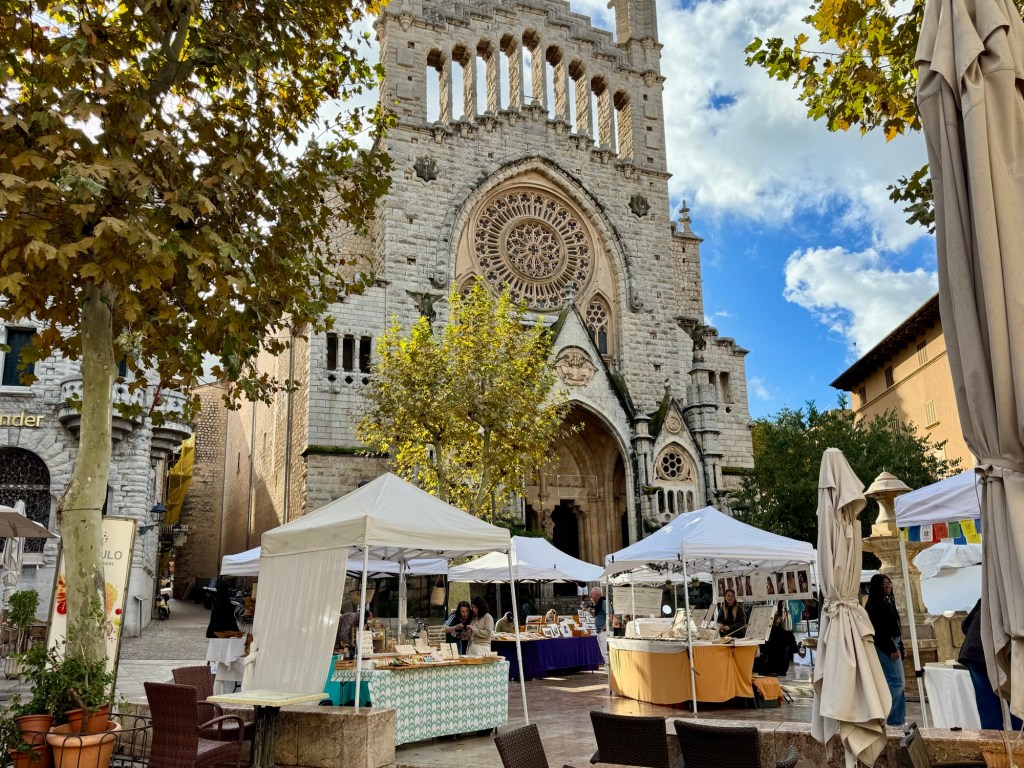
Our route took us through the main square, where unexpectedly there was live music and a craft market.

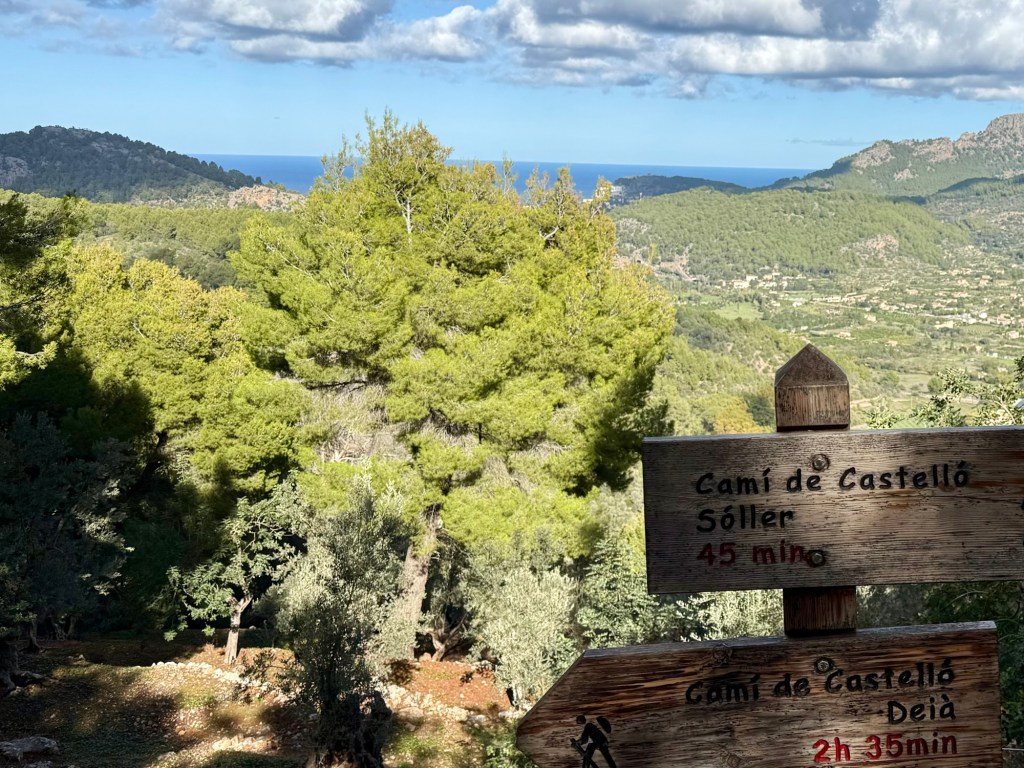
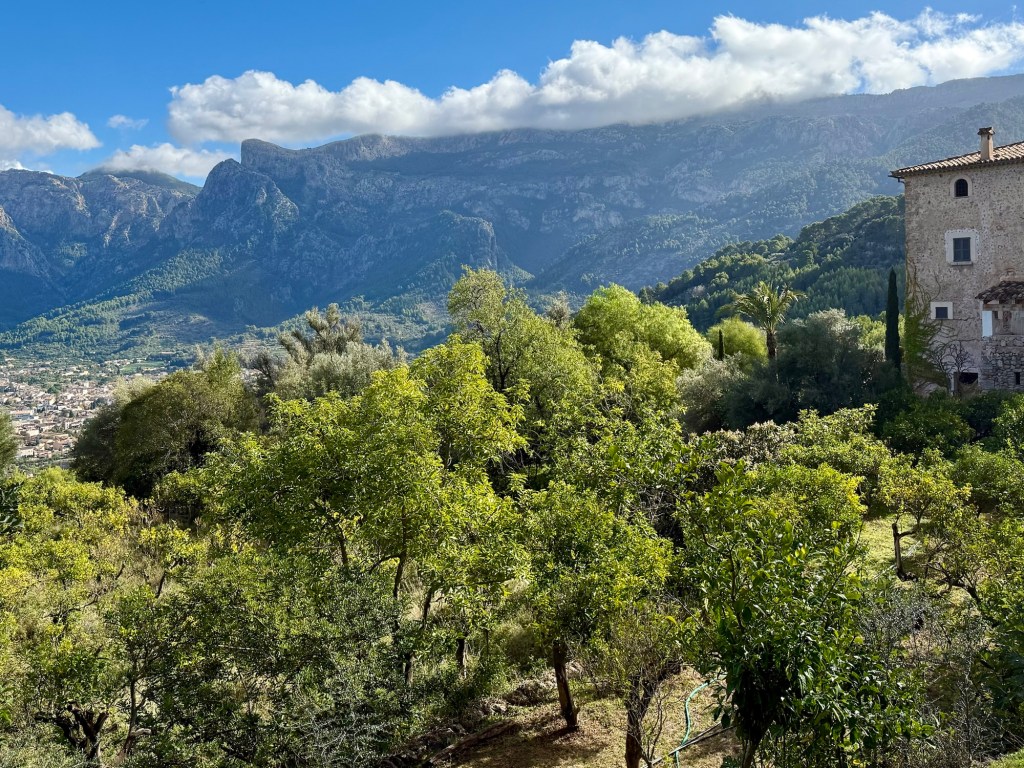
Instructions made it sound simple despite warning us of a long ascent out of town. It was definitely well described, rocky and slippery in places but with fantastic views over Soller and across to the Mediterranean sea. At one point, we crossed the narrow gauge railway line which travels through the Tramuntana mountains between Palma and Soller. It’s such a quaint train that we debated whether or not to wait for it to pass. We decided to carry on, we hadn’t been walking for long it could be up to an hour until the train passed. As we carried on our ascent and turned away from the track, we heard the tell tale whistle and the train trundled past below – a missed photo opportunity!

We walked through Olive and Citrus groves, under carob trees and along some very rocky paths. At one point, John was hit by something spiky and lost his balance. Luckily his only injury is a splinter. Annoyingly, he’d taken a wrong turning and shouldn’t have been anywhere near said spiky tree.

There’s been a lot of cautious descending and we’re pleased to report that the splinter was our only injury. And, as to slips, trips and falls, you would usually expect Kim to be the one not paying attention.

11.5km walked with an ascent of 400m and descent of 381m, we rewarded ourselves with a beer in Soller’s main square.

It’s a shame we’re moving…
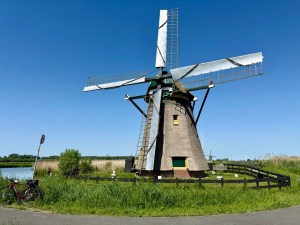
….because we found a new boat for the river.

It was heavy rain today and common sense told us not to do a long walk on wet, slippery surfaces. Instead we chose a bus trip to Pollenca. It’s a fairly straightforward journey but, via Palma, it’s lengthy – two hours each way.

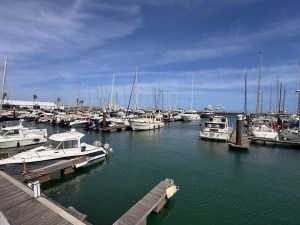
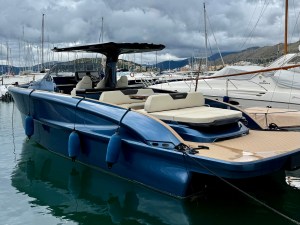
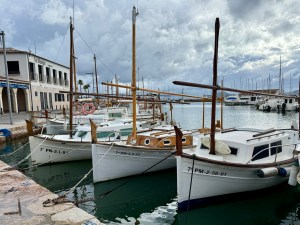
It was a good choice, we spent the heaviest downpours on a bus. The rain held off long enough for us to wander around the Port de Pollenca marina where Kim stunned John with her knowledge of the Mallorcan Ilaut before deciding which boat we would most like to take home. Can you guess who chose which?

Next stop, Pollenca, where the town was setting up for a festival. There are many Mallorcan Autumn festivals in November, celebrating olives, pumpkins and rice as well as the Dijou Bo that we visited in Inca, last year.

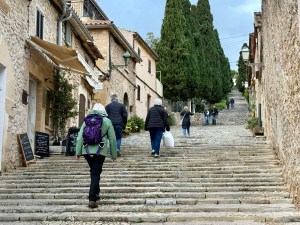
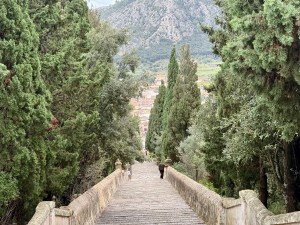
We wandered up to the old town and walked up 412 steps to the Calvary Chapel with its amazing views. According to Google, there are 365 steps, Google is a big fibber.

We made it back to the bus stop, just as the heavens opened again and were grateful Palma bus station is underground for our final connection to the Soller bus

We’ve dodged the worst of the rain and, fingers crossed, the rest of the week is looking better.

Panic buying a holiday

Who would do such a thing? Kim was desperate to have something in the calendar, with little planning and some late Autumn sunshine. Before we knew it, we were booked for a trip back to Soller on Majorca.

Matt dropped us at Luton Airport at 5:30 and we were in sunny Soller by 11. It’s a shame, for us, that the weather at home is unseasonably mild. There isn’t quite the temperature difference we hoped for.

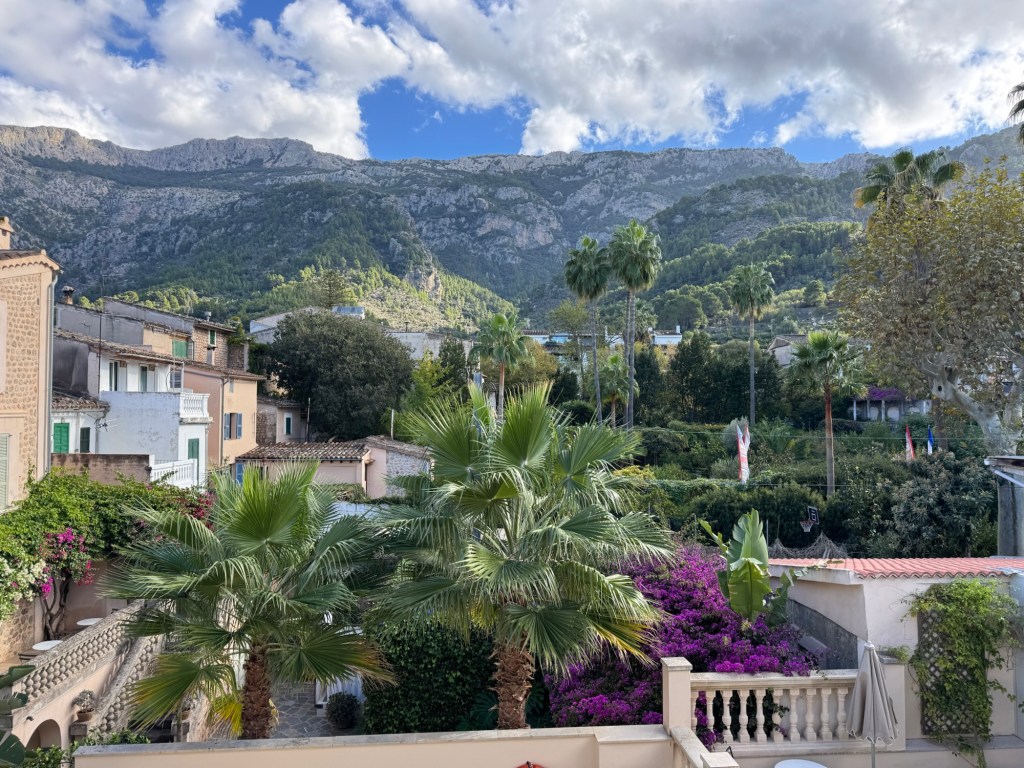
We are staying in a different hotel to usual, there is a small pool and lovely views over the mountains but no private balcony.

Out first walk was up to Biniaraix for a beer and light lunch

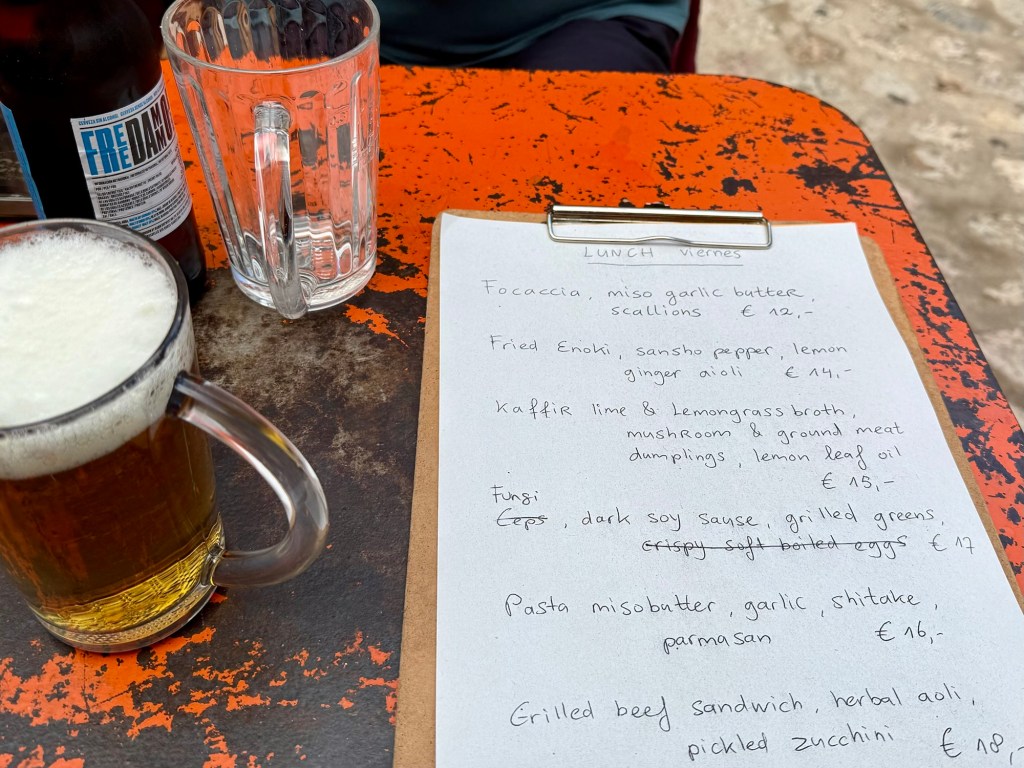
It’s mushroom season and, tonight, we chose the ‘Mushroom’ menu in our hotel. It was delicious – John declined calamari stuffed with mushrooms instead opting for a simple omelette!

We have plans for walking, using the bus to get around the island and, worryingly, John is talking of hiring a scooter…
Final(ish) thoughts

Last night we ate in the hotel’s restaurant. There are no photos of our stylish food because we were too busy being friendly.

On our left a couple from Vlissinghem, he was Dutch, she was Scottish and they met in Egypt over 45 years ago. We had a lively conversation about their recent holiday in Great Yarmouth. They won’t be going back.

To our right, two ladies from Philadelphia. They are visiting the Park tomorrow and, on our recommendation, the Escher Museum in The Hague on Saturday. An excess of red wine may be responsible for all this sociability!

John’s main course was roasted watermelon. Anyone else tried that? It was quite a different taste with a similar texture to salmon.

Yesterday, we forgot to mention that Park information leaflets include a warning of wolves. We were urged not to leave paths, vacate the park before dusk and, most helpfully, a number to ring if a wolf was within 50m and threatening.

Our journey to the port allowed us time for more Dutch culture. Can you guess where we went?

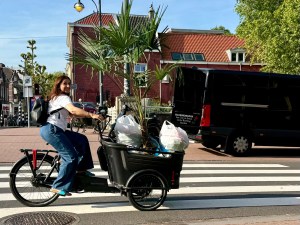
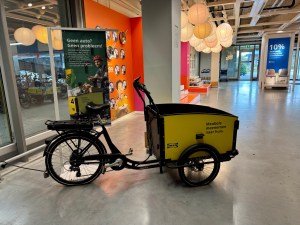
So familiar yet so different! How interesting that you can arrive by bike and borrow this to take your purchases home.

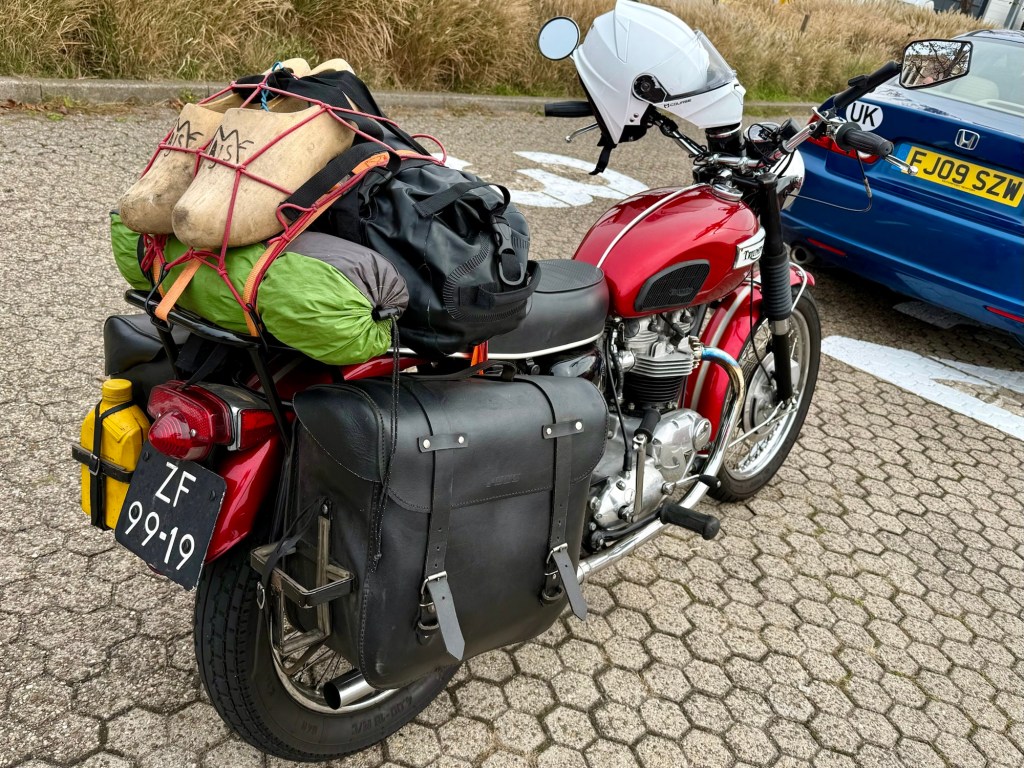
We arrived at Hoek van Holland in plenty of time and John struck up conversation with a Dutch motorcyclist who was going to a rally near London. Can you spot what is unusual about his motorcycle?

In case you’ve forgotten how much we like Holland, please bear with us while we remind you. Fantastic cycle ways, lovely people, beautiful scenery and very clean.

Thanks to Jacky for suggesting Turckheim would be a more pleasant stay than Colmar, she was spot on.

Our trip highlights? It feels a long time ago but, for both of us, the Schlumpf collection was well worth an overnight sailing and 10 hour drive. Cycling has been a pleasure and the Kroller-Muller collection and Park exceeded expectations.

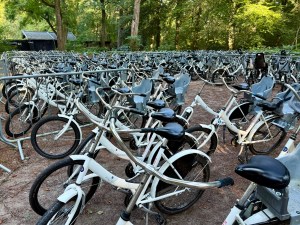
There are 1800 bicycles in…

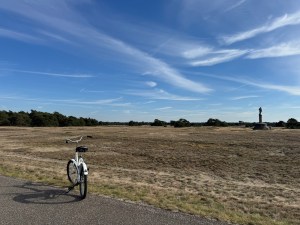
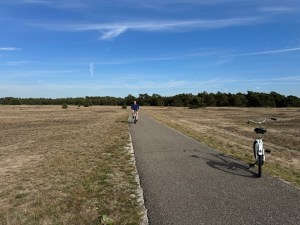
…… the Hoge Veluwe National Park which is 8,998,209 less than Katie Melua thought were in Beijing. In Holland, they are all the same colour and free to use. What no-one tells you is that they’re fixed wheel with no brakes and stopping takes a bit of thinking about.

The National Park is a cultural estate founded by Anton and Helene Kroller-Muller, at the beginning of the 20th Century. Anton’s hobby was buying up hunting grounds and Helene was an avid art collector. Helene’s dream was a museum to share her passion, finally achieved in 1938. Luckily the Canadians stored some tanks at the museum in 1945, which proved rather useful at the Battle of Otterlo the last battle to take place in the Netherlands.

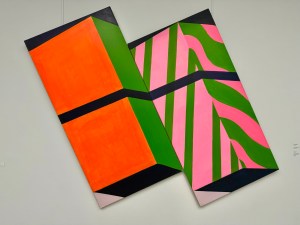
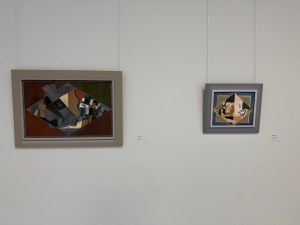
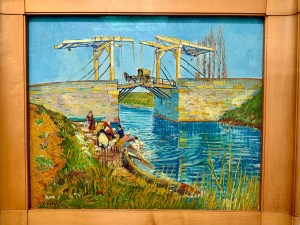
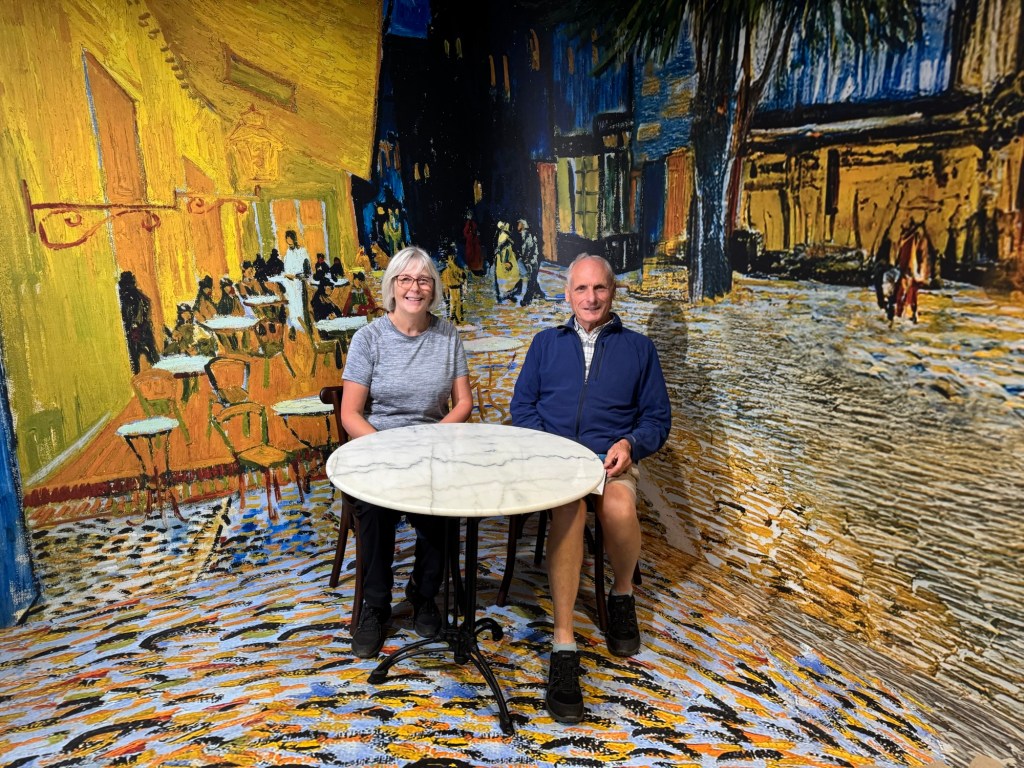
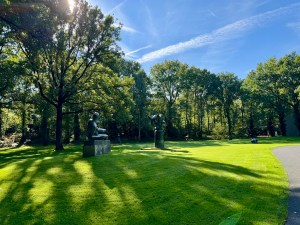
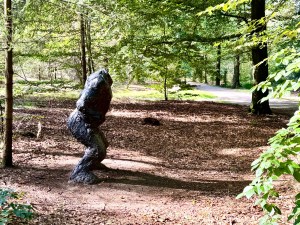
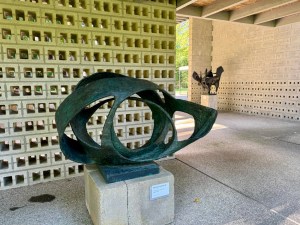
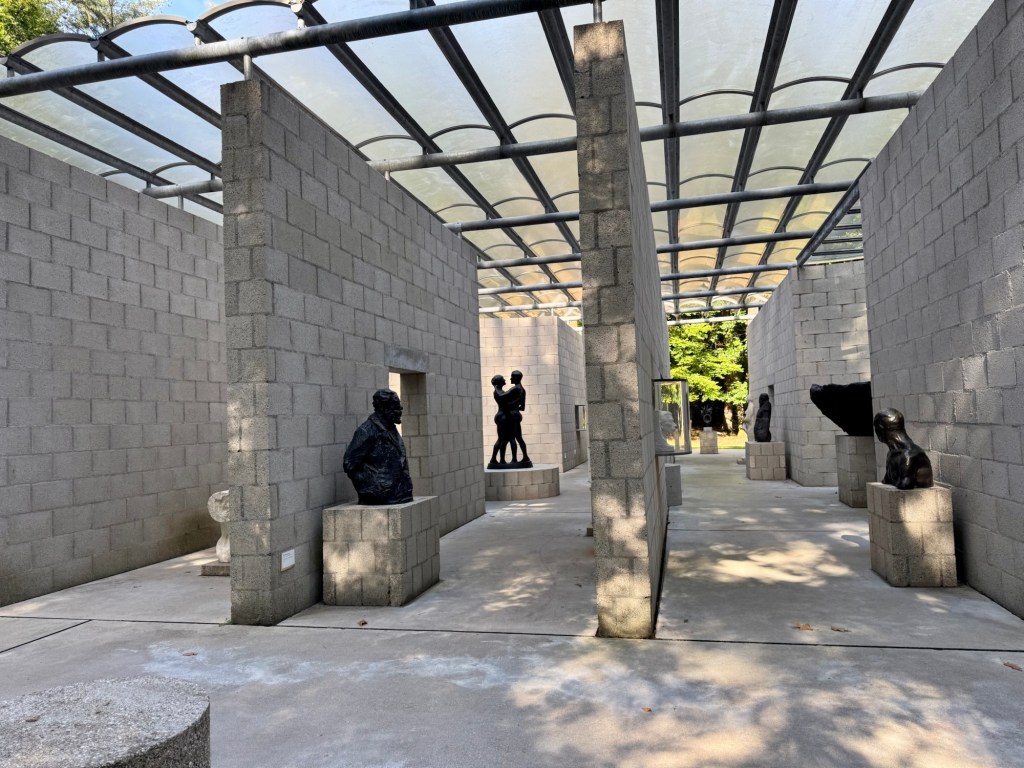
We didn’t manage to explore all of the park exhibits but started with the Kroller-Muller museum and Sculpture Park. This houses Helene’s art collection which includes the second largest selection of Van Gogh paintings in the world. Throw in a few Picassos, Toulouse-Lautrecs and Mondriaans and there’s quite an eclectic collection. The sculpture gardens cover 25 hectares with over 160 sculptures. Both art and sculptures had been added to over the years, helping to keep the museum fresh and current.

Here’s a selection of photos

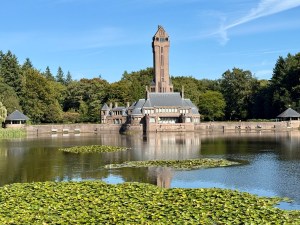
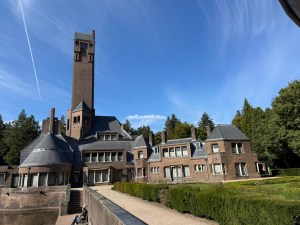
After lunch, we managed to cycle 10km on our single speed, fixed wheel upright Dutch bicycles around the park to visit the Kroller-Muller’s country residence, Museum Jachthuis Sint Hubert. Built between 1914 and 1920 the brief was to make it artistic. We were too late for a guided tour so sat in the warm autumn sunshine admiring it’s elegance and views across the lake.

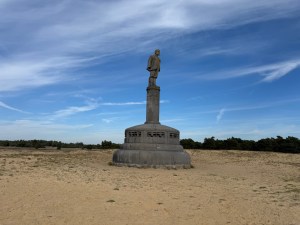
A leisurely cycle back through the woodland and heath, past the Memorial to General de Wet, gave us time to refresh before dinner

At this point we have to admit, last night, we were a little harsh about our accommodation. We didn’t freeze over night because we worked out how to put the heating on, there are common rooms where we can socialise with other inmates and breakfast exceeded expectations. Our room is still tiny but we didn’t bring a cat to swing so that’s ok.

Is this your new site? Log in to activate admin features and dismiss this message
Log In