We caught the 8:15 Shinkansen from Osaka to Hiroshima. I was worried our hotel was a bit remote but it’s actually really well situated for the metro and mainline stations.
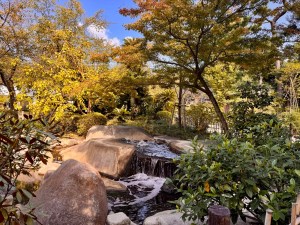
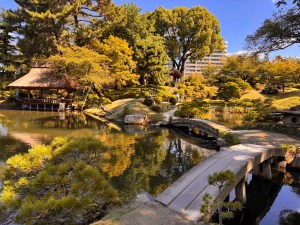
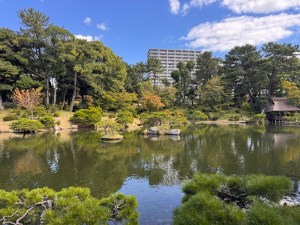
Anyhow, we started at the Shukkeien Japanese Garden and I could have spent all day there, soaking up the atmosphere. A few photos don’t do it justice and neither do a couple of sentences about its history. Construction began in 1620 and it was a private garden until it was donated to the Hiroshima Prefecture in 1940. It suffered extensive damage in 1945 and became a refuge for victims of the war before reopening in 1951, after renovation.
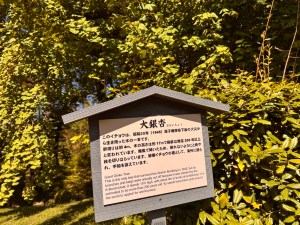
The Gingko is worth a special mention, it’s the only tree to have survived the atomic blast.
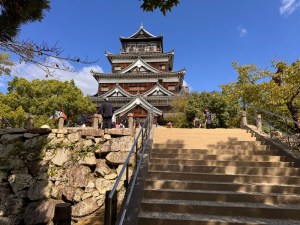
Our next stop was Hiroshima Castle, dating back to 1590 and rebuilt in 1958. Not so much a stop as a brisk walk through a park and market to the ferry for Miyajima.
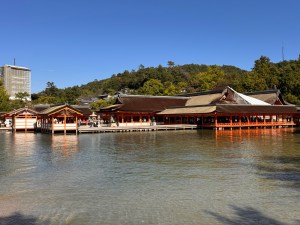
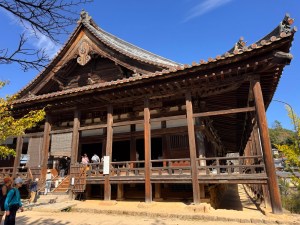
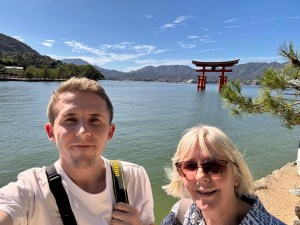
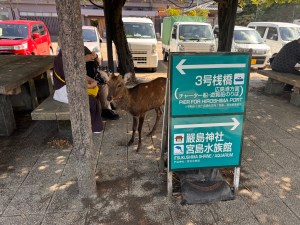
Miyajima is a sacred island and visited for the famous for the Itsukushima Shrine, a 6th-century Shinto shrine built over water so worshippers wouldn’t have to step directly on the sacred ground. There is also the Torii gate which appears to float in the water. Its’ history and significance are immense but there’s nothing quite like being side tracked by scavenging deer. We saw one take an ice cream straight out of a hand. Possibly as aggressive as seagulls but significantly cuter and without the poop.
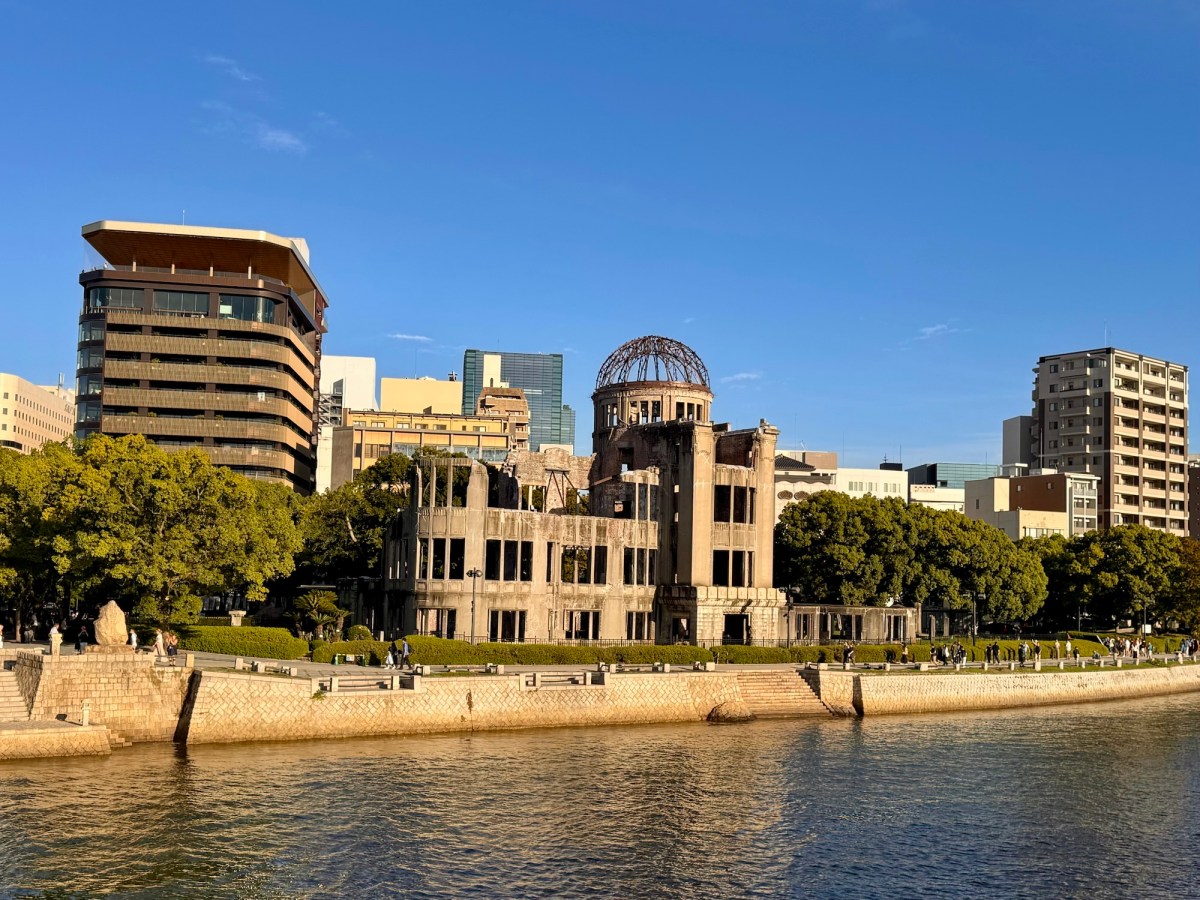
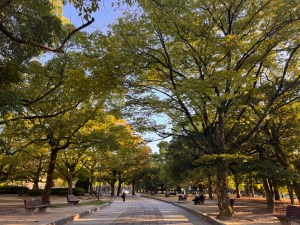
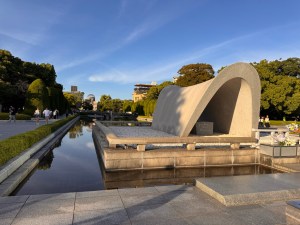
Back to Hiroshima for the Genbuko Dome, Peace Memorial Park and Museum. The Dome was formerly the Prefectural Industrial Promotion Hall and was the only building left standing where the bomb was dropped. It has been preserved exactly as it was left, that day, and serves as a memorial for the 140,000 plus who died. As we walked through the park, flowers were being laid, a timely reminder that residents remember that day and all that was lost and endured.
Our final stop was the Peace Memorial Museum and I can’t describe the impact. It was crowded, with a hush amongst visitors and felt disrespectful to take photos. This museum kicks you in the stomach and doesn’t let up.
A fact that took my fancy: The city flower of Hiroshima is the Oleander. It was the first flower to bloom on the scorched earth months, rather than years, after the bomb was dropped. Experts had estimated it would take 75 years for plants to grow and the plucky Oleander was having none of that.
We are on the train back to Osaka, hope to be in bed by 11, fingers crossed. It’s been a long, emotional day.

